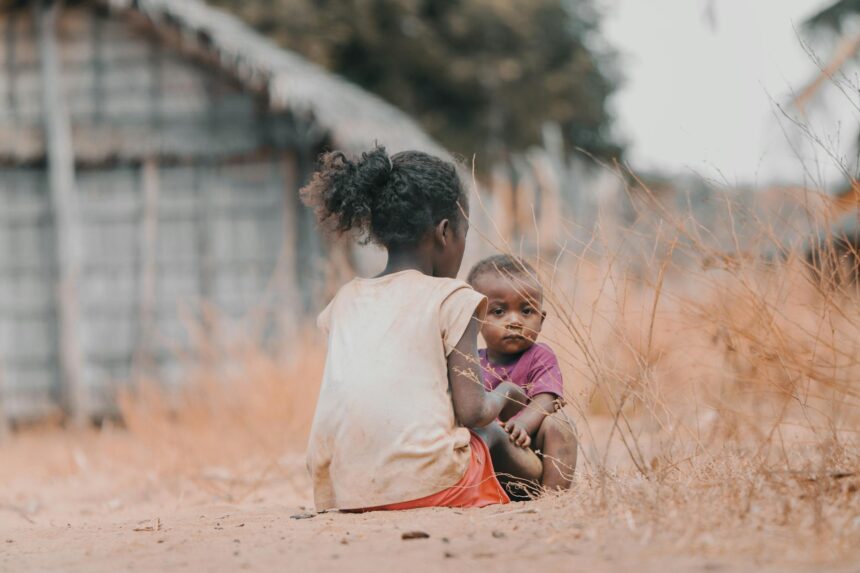
A comprehensive analysis of 17 sub-Saharan African countries has unveiled profound inequalities in malaria prevention and treatment access for children under five. The research, drawing from multiple Malaria Indicator Surveys, demonstrates that protective coverage ranges dramatically from 28% to 85% depending on geographic and socioeconomic factors.
Rural children consistently face significantly higher malaria prevalence rates compared to their urban counterparts, a pattern observed uniformly across all nations studied. Children from the poorest households experience disproportionately elevated infection rates, with these disparities persisting even after accounting for healthcare access and prevention program availability. These findings highlight critical structural inequalities that extend beyond simple resource distribution challenges, pointing to deeper systemic barriers in malaria control implementation.
Read the full article on GMJ Newsroom.
Was this article helpful?