



Prof. Giorgi Pkhakadze, MD, MPH, PhD
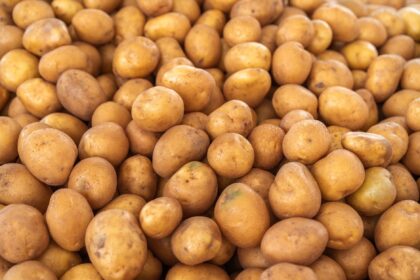
Resistant Starch and Gut Health: Why Fiber Type Matters More Than You Think
Resistant starch works through a specific bacterial fermentation pathway that other fibers do not, requiring doses of 15–30g daily—far above…
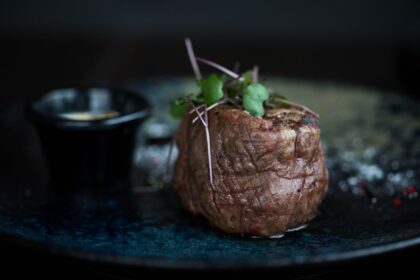
The 30-gram protein myth: why recent evidence challenges the fitness industry’s most durable claim
For over a decade, the fitness industry has promoted a rule: your body can only use 25–30 grams of protein…
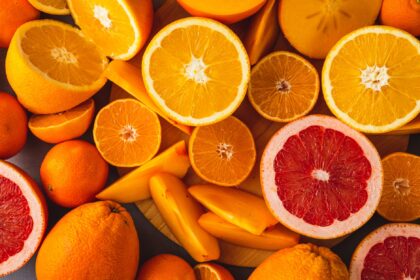
How the gut absorbs nutrients with molecular precision: A seven-meter biochemical assembly line
The human gastrointestinal tract functions as a seven-meter nutrient-extraction assembly line, with each segment specializing in absorbing specific vitamins, minerals,…
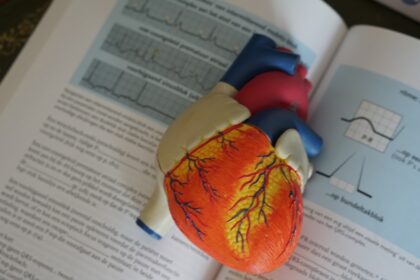
Why Thiamine Deficiency Is Silent but Serious in Heart Failure Patients
Loop diuretics—the standard treatment for heart failure—deplete thiamine, the essential cofactor for energy production. Research shows 33% of heart failure…

Aerobic Exercise Reverses Age-Related Hippocampal Shrinkage in Older Adults
A 12-month aerobic exercise trial published in PNAS reversed age-related hippocampal shrinkage in older adults, with participants gaining 2% in…

Laboratory biosafety after LBM4: what the risk-based manual asks of the region’s laboratories
The fourth edition of the WHO Laboratory Biosafety Manual replaced biosafety levels with a risk-based approach in December 2020. For…
How muscle contraction clears blood glucose independently of insulin after meals
Skeletal muscle activates a second glucose-clearance pathway during physical activity that operates independently of insulin, allowing direct glucose uptake without…

Why Spinach Iron Doesn’t Count Like Meat Iron: The Bioavailability Gap
A cup of spinach contains 6 mg of iron but only 2–20% is absorbed, while beef's 2.5 mg iron is…