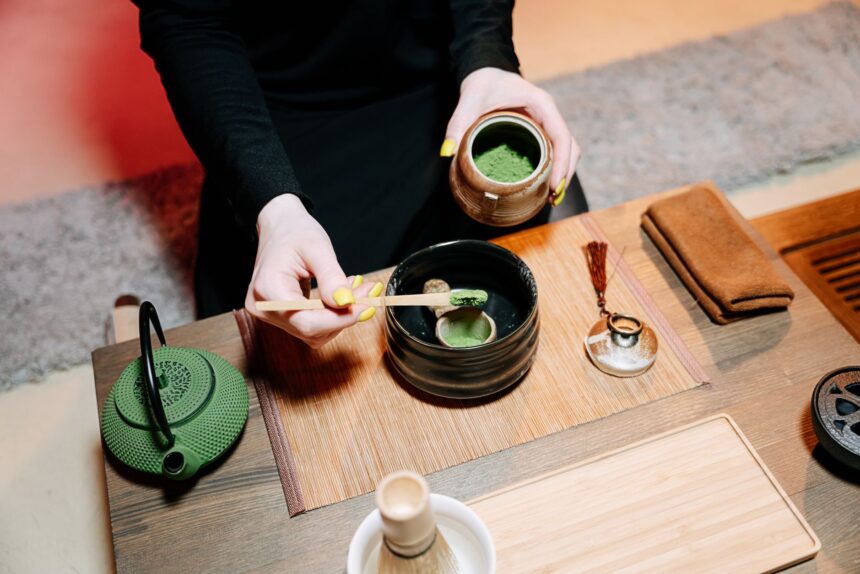
High-performance liquid chromatography analysis reveals matcha contains approximately 140 mg of bioavailable EGCG per 8 fluid ounce serving, compared to 40–60 mg in standard and premium steeped green teas respectively. This threefold advantage does not reflect superior leaf cultivation but rather the fundamental difference between whole-leaf consumption and water extraction. When green tea leaves are steeped in hot water (160–180°F) for 2–3 minutes, only soluble compounds dissolve into the liquid; consumers discard the solid leaf matter containing insoluble catechins. Matcha powder, by contrast, is whisked into water and consumed entirely. This methodological distinction means matcha delivers substantially higher catechin bioavailability per serving. Importantly, the widely circulated claim of “137× more EGCG” compares matcha to a single low-grade tea variety—an outlier comparison that misrepresents typical steeped tea composition and oversimplifies nutritional science.
Was this article helpful?