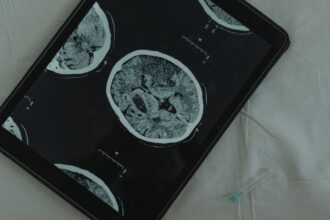




A critical shortage of forensic pathologists across the United States is delaying death investigations, compromising the accuracy of cause-of-death determinations, and leaving families without answers about their loved ones’ deaths. The problem extends beyond criminal justice into public health surveillance, where medical examiners and coroners play an essential role in detecting disease outbreaks, tracking environmental hazards, and monitoring medication-related deaths.
Key takeaways
- Forensic pathologist vacancies are creating backlogs in death investigations across the United States
- Understaffing compromises the accuracy of cause-of-death determinations, which are critical for public health surveillance
- The shortage affects families awaiting autopsy results and prosecutors building criminal cases
- Solutions require increased funding, career pathway development, and recognition of forensic pathology’s dual role in justice and public health
A workforce in crisis
Forensic pathology operates at the intersection of medicine, law, and public health, yet the specialty has struggled for years to attract and retain practitioners. Medical examiners and coroners depend on forensic pathologists to perform autopsies, document findings, and provide expert testimony—work that is essential to both criminal investigations and public health data collection. However, many jurisdictions report difficulty filling positions, with some regions experiencing delays of months in completing autopsies.
This shortage is not merely an administrative inconvenience. When autopsies are delayed, criminal investigations stall, families remain without closure, and critical public health signals may be missed. For instance, unexpected clusters of deaths from novel drugs, environmental toxins, or emerging infections rely on accurate, timely autopsy data to be detected and investigated by public health authorities.
Justice system and family impact
Forensic pathology workforce challenges
Key areas affected by chronic understaffing in medical examiner offices

Source: Forensic pathology workforce assessment | GMJ News
When autopsy results are delayed, families are denied answers about how their relatives died—a denial that compounds grief and extends the mourning process. For prosecutors and law enforcement, delayed autopsies can compromise murder investigations, potentially affecting the timeline of evidence collection and expert testimony availability. In capital cases, backlogs in forensic pathology can delay justice by months or years.
The shortage also creates unequal access to thorough death investigation. Well-funded urban medical examiner offices may have adequate staffing, while rural and smaller jurisdictions frequently rely on part-time coroners or pathologists from neighboring regions, resulting in variable autopsy quality and investigation completeness across the country.
Public health detection system at risk
Beyond its role in criminal justice, forensic pathology is a cornerstone of public health surveillance. Deaths certified by medical examiners provide critical data to the Centers for Disease Control and Prevention (CDC), which tracks causes of death including overdose, suicide, and infectious disease outbreaks. When autopsies are not performed or are delayed, these public health signals weaken.
The opioid epidemic is a stark example. Accurate classification of overdose deaths depends on autopsy findings and toxicology results, yet pathologist shortages in some regions have delayed or prevented full investigation of suspected overdose deaths. Similarly, emerging infectious diseases and environmental health hazards are identified through careful examination of death patterns—work that requires timely, thorough autopsies.
Forensic pathology is not a luxury service—it is a public health and justice infrastructure that requires dedicated funding, workforce development, and professional recognition to function effectively.
— Forensic pathology workforce advocates (2026)
Path forward: Building sustainable solutions
Addressing the forensic pathology shortage requires coordinated action across medical education, health policy, and criminal justice systems. Professional organizations such as the American Academy of Forensic Sciences have called for increased funding for training programs, improved compensation to compete with other medical specialties, and greater public and institutional recognition of the field’s importance.
Medical schools and pathology residency programs need dedicated resources to recruit trainees into forensic pathology fellowships. Federal and state governments should support medical examiner offices through the National Institute of Justice, ensuring adequate staffing and equipment. Additionally, standardizing autopsy protocols and investing in digital pathology technologies could improve efficiency and reduce backlogs.
The shortage of forensic pathologists is a systemic problem requiring systemic solutions. Without action, the backlog in death investigations will continue to grow, families will wait longer for answers, investigators will face delayed cases, and public health authorities will have less complete data to detect emerging threats. Recognizing forensic pathology as essential infrastructure—both for justice and public health—is the first step toward building a sustainable workforce. For more on workplace challenges in medicine, see our Quality & Safety coverage.
What this means
Frequently asked questions
Why is there a shortage of forensic pathologists?
Forensic pathology has historically been underfunded, offers lower compensation than other medical specialties, and is undersupported in medical education. The field requires specialized training, manages emotionally difficult cases, and faces significant administrative burden, yet has lacked the career development infrastructure and public recognition given to other specialties.
How does a forensic pathology shortage affect public health?
The CDC relies on cause-of-death data certified by medical examiners and coroners to track disease trends, overdose deaths, environmental health hazards, and emerging disease outbreaks. Delayed or incomplete autopsies weaken this surveillance system, potentially delaying public health response to novel threats.
What can be done to address this shortage?
Solutions include increased federal and state funding for medical examiner offices and forensic pathology training programs, improved compensation aligned with other medical specialties, institutional support for pathology fellowships, and public recognition of forensic pathology as essential infrastructure for both justice and public health.
The crisis in forensic pathology is a reminder that every medical specialty, no matter how specialized or unglamorous it may seem, serves a critical function in society. Addressing this shortage requires investment, policy attention, and a commitment to recognizing that forensic pathologists are not ancillary to health and justice systems—they are essential to both. Without action, the backlog will persist, and the dual mission of death investigation and public health protection will continue to suffer.
Source: Opinion: The shortage of forensic pathologists is hurting justice, public health, and families, STAT News, 2026
Was this article helpful?
Disclaimer. This article is health journalism intended for general information and education. It is not medical advice and is not a substitute for professional diagnosis or treatment. Always consult a qualified healthcare provider about your individual circumstances. Full disclaimer →
Related Coverage


Editorial standards. This article was produced under the GMJ News editorial process, with oversight by the GMJ Editorial Board. Our editorial process. Spotted an error? Contact the editorial team.