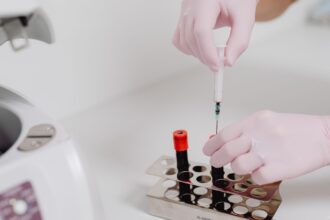




The United Kingdom’s Medicines and Healthcare products Regulatory Agency (MHRA) has paused the PATHWAYS clinical trial to conduct a comprehensive safety review of an investigational treatment for a rare disease. According to the MHRA’s official statement, participant safety remains the regulator’s primary concern throughout the trial’s operational lifecycle. The decision reflects standard regulatory protocol when unexpected safety signals emerge during active recruitment or treatment administration.
Key takeaways
- The MHRA has halted the PATHWAYS clinical trial pending a formal safety review
- No specific adverse events were detailed in the regulatory announcement, consistent with confidentiality protocols for ongoing trials
- Participant welfare and data integrity are the MHRA’s stated priority during the investigation
- Regulatory pause procedures are standard practice in UK clinical trial oversight and do not necessarily indicate trial termination
MHRA Trial Oversight Mechanisms
Standard regulatory review pathways for UK clinical trials during safety investigations
Source: MHRA Standard Operating Procedures | Georgian Medical Journal News
Regulatory Framework for Clinical Trial Safety Oversight
The MHRA operates under strict statutory obligations to monitor all clinical trials authorised on UK territory. When a trial sponsor reports a serious adverse event (SAE) or when the regulator identifies a potential safety concern through routine pharmacovigilance, a formal investigation is initiated. The pause on PATHWAYS reflects these established safeguarding mechanisms rather than an unusual or extraordinary intervention.

Clinical trial pauses are common regulatory actions. According to FDA guidance on clinical trial safety reporting, sponsors must immediately notify regulatory authorities of any unexpected serious adverse reactions. The MHRA applies equivalent standards under UK regulations, which maintain alignment with European regulatory traditions despite post-Brexit divergence.
See related coverage on clinical trial updates and regulatory safety standards for additional context on trials oversight.
Participant Protection and Informed Consent
All trial participants in the PATHWAYS study must be formally notified of the pause and provided with updated safety information relevant to their continued participation or withdrawal. The Medicines for Human Use (Clinical Trials) Regulations mandate that ethics committees and trial sponsors maintain active communication with participants regarding material safety developments.
During a safety pause, the trial sponsor—typically a pharmaceutical company or research institution—works in direct liaison with the MHRA to analyse available data. This includes patient diaries, laboratory results, adverse event reports, and any deaths or serious hospitalisations recorded during the trial period. No timeline for completion of the safety review has been provided in the public statement, as such timelines are often contingent on data complexity and case-by-case factors.
Pathways Forward: Transparency and Next Steps
The MHRA has committed to maintaining transparency with trial participants, sponsors, and the broader medical community regarding the outcome of its safety review. Potential outcomes include: resumption of the trial with or without protocol modifications, expansion of safety monitoring requirements, or formal termination if risks are deemed to outweigh potential benefits. Such decisions are made collaboratively between the regulator, trial sponsor, and the independent Data Safety Monitoring Board (DSMB) if one exists.
UK regulatory communication on clinical trial safety pauses reflects a commitment to evidence-based risk-benefit assessment. Updates to the PATHWAYS trial status will likely be published on the MHRA’s official website as decisions are finalised. Similar oversight mechanisms are in place across health policy frameworks in other jurisdictions.
The MHRA’s top priority is the safety and wellbeing of trial participants. Clinical trial pauses during safety reviews are a standard regulatory tool, not an indication of misconduct or trial failure.
— Medicines and Healthcare products Regulatory Agency (MHRA), UK Government Health & Social Care Department
What this means
Frequently asked questions
What triggers a clinical trial pause?
Regulatory authorities pause trials when a serious adverse event is reported that may be related to the investigational drug, when safety data trends suggest potential harm, or when data quality issues compromise the validity of trial findings. The MHRA assesses whether the risk-benefit profile remains favourable given the evidence accumulated to date.
How long do trial pauses typically last?
Duration varies based on data complexity. Simple cases may be resolved in weeks; complex investigations involving multiple serious adverse events may require months. The PATHWAYS timeline has not been specified, indicating ongoing analysis. Transparency updates are usually provided once a determination is reached.
Can participants withdraw during a trial pause?
Yes. Participants retain the right to withdraw consent at any time, with or without reason. During a pause, withdrawal may be particularly relevant if new safety information alters the participant’s risk-benefit assessment. Regulatory guidance ensures participants are not coerced into continuing participation.
The PATHWAYS trial pause exemplifies the regulatory mechanisms that protect public health in clinical research. Such pauses are not rare or unusual—they reflect the MHRA’s commitment to evidence-based decision-making and participant protection. As the safety review progresses, stakeholders should anticipate further communications from regulatory authorities and trial sponsors. Robust clinical governance depends on regulators acting decisively when safety signals emerge, even when doing so disrupts trial timelines and development plans.
Source: Update on the PATHWAYS clinical trial — Medicines and Healthcare products Regulatory Agency (MHRA), UK Government
Was this article helpful?
Disclaimer. This article is health journalism intended for general information and education. It is not medical advice and is not a substitute for professional diagnosis or treatment. Always consult a qualified healthcare provider about your individual circumstances. Full disclaimer →
Related Coverage


Editorial standards. This article was produced under the GMJ News editorial process, with oversight by the GMJ Editorial Board. Our editorial process. Spotted an error? Contact the editorial team.