


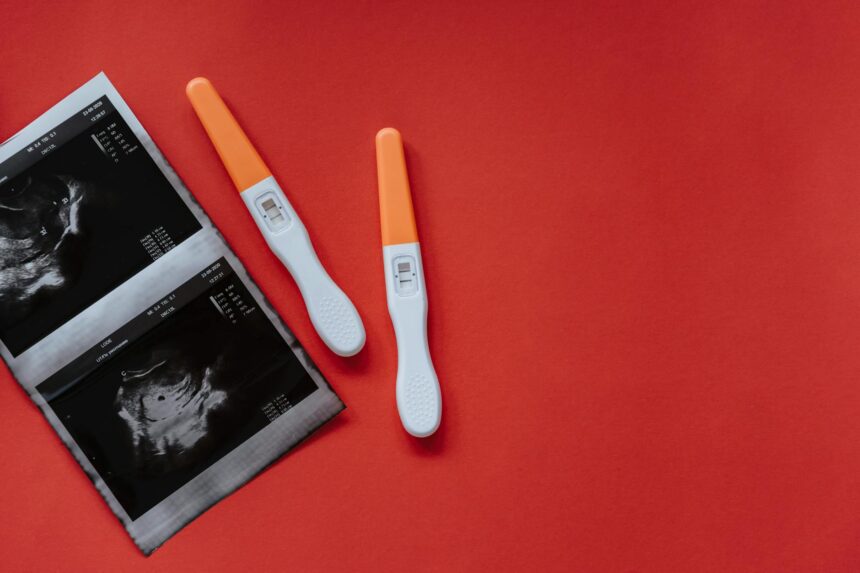
A study published in the Canadian Medical Association Journal has identified a substantial screening gap in prenatal care: one in five pregnant women in Ontario did not receive timely syphilis screening, a test critical for preventing vertical transmission to newborns. The finding underscores a troubling disconnect between clinical guidelines and real-world practice during a period when congenital syphilis cases have been rising across North America.
Prenatal Syphilis Screening Compliance in Ontario
Source: Canadian Medical Association Journal, 2026 | Georgian Medical Journal News
A decade of rising congenital cases amid screening failures
The Canadian Medical Association Journal analysis examined prenatal screening practices over a ten-year period and found not only substantial gaps in test completion but also a simultaneous upward trend in congenital syphilis diagnoses among newborns. Congenital syphilis—transmitted from mother to fetus during pregnancy—is preventable through early maternal screening and treatment with penicillin, making the screening gap particularly consequential.
Early detection matters because syphilis in pregnancy can cause stillbirth, prematurity, and severe organ damage in infected infants. When identified and treated promptly, outcomes are dramatically improved. For additional context on infectious disease screening in pregnancy, see our coverage of maternal health and prenatal screening.
Why screening is falling through the cracks
The Canadian Medical Association Journal did not specify the precise reasons for the 20% gap, but researchers pointed to fragmented prenatal care coordination, variable adherence to screening protocols in primary care settings, and potential delays in test ordering and completion. Prenatal care in Ontario is distributed across multiple providers—family physicians, obstetricians, midwives, and community health clinics—each with different electronic systems and reminder protocols.
Pregnant women with unstable housing, substance use, or limited access to primary care were disproportionately affected. These structural barriers reflect broader inequities in prenatal access. Related screening challenges in infectious diseases are documented on our infectious disease page.
Clinical guidelines versus real-world implementation
Canadian guidance recommends syphilis serology testing at the first prenatal visit and again in the third trimester for pregnant women at higher risk. The Canadian Medical Association Journal study suggests that despite clear recommendations, systematic implementation remains inconsistent across Ontario’s fragmented healthcare landscape.
International data from the Centers for Disease Control and Prevention and World Health Organization emphasize that universal prenatal syphilis screening is a cost-effective intervention with lifesaving potential. The cost of treatment—a single course of penicillin—is negligible compared to the medical burden of congenital syphilis in a newborn.
One in five pregnant women in Ontario did not receive timely syphilis screening despite it being a critical preventive intervention for congenital syphilis
— Canadian Medical Association Journal, 2026
Key takeaways
- 20% of Ontario pregnant women missed timely syphilis screening over a ten-year study period
- Fragmented prenatal care systems and variable adherence to screening protocols contribute to the gap
- Congenital syphilis is preventable with early maternal screening and penicillin treatment, yet cases have risen as screening compliance has lagged
- Vulnerable populations—those with unstable housing or substance use—experienced disproportionate screening gaps
Frequently asked questions
Why is syphilis screening in pregnancy so critical?
Syphilis acquired during pregnancy can cause severe harm to the fetus, including stillbirth, prematurity, bone deformities, blindness, and deafness. When screened early and treated with penicillin, transmission is prevented and maternal-fetal health is preserved. According to the CDC, untreated maternal syphilis results in adverse outcomes in up to 80% of pregnancies.
How is congenital syphilis treated after birth?
Newborns diagnosed with congenital syphilis receive parenteral (injected) penicillin therapy over ten days. Early treatment prevents long-term sequelae such as neurosyphilis, cardiac involvement, and skeletal deformities. The National Institutes of Health emphasizes that prompt diagnosis and treatment in the neonatal period are essential for optimal outcomes.
What can healthcare systems do to close the screening gap?
Integrated electronic health records with automated screening reminders, training of all prenatal care providers on syphilis testing protocols, and targeted outreach to vulnerable populations can improve compliance. Centred care models and universal screening algorithms—rather than risk-based approaches—have shown the highest completion rates.
Closing Ontario’s prenatal syphilis screening gap will require system-level coordination: unified electronic reminders across all prenatal providers, provider education, and dedicated resources for outreach to underserved populations. As congenital syphilis cases continue to rise in North America, renewing attention to this preventable infection represents a straightforward public health priority with immediate clinical impact.
Source: One in five pregnancies slipped past a critical test as congenital syphilis surged over 10 years