


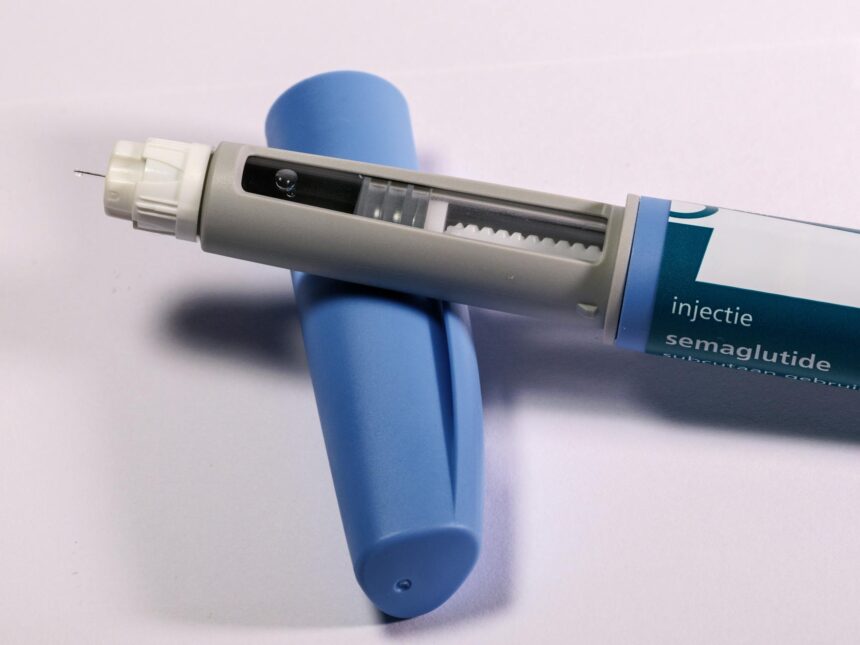
The rise of injectable peptides marketed for weight loss, muscle gain, and anti-aging has outpaced regulatory oversight, creating a public health gap that demands urgent government intervention. Medical authorities across multiple jurisdictions report a surge in adverse events linked to unverified peptide products, yet most remain available through online retailers with minimal quality control or clinical evidence.
Peptide Market Growth and Regulatory Status by Region
| Region | Regulatory Oversight Level | Key Safety Concerns Reported | Status |
|---|---|---|---|
| United States | Minimal (unscheduled peptides) | Contamination, mislabeling, unverified claims | Under review by FDA |
| European Union | Variable by member state | Unlicensed suppliers, adverse reactions | EMDA guidance pending |
| Canada | Moderate (some oversight) | Quality inconsistency, adverse event reports | Health Canada monitoring |
| Online/International | None | Complete absence of manufacturing standards | Largely uncontrolled |
Source: Medical Xpress, 2026; regulatory agency reports
The Peptide Boom Outpaces Safety Infrastructure
Injectable peptides, including products marketed under names like BPC-157, TB-500, and various growth hormone-releasing peptides (GHRPs), have become widely available through unregulated channels despite limited clinical trial data in humans. Medical Xpress reports that these compounds—originally developed for research purposes—are now sold directly to consumers as wellness products, often with exaggerated claims about efficacy and safety.
Unlike pharmaceutical drugs that undergo rigorous FDA approval pathways, most injectable peptides operate in a regulatory grey zone. The New England Journal of Medicine and The BMJ have previously documented how research-grade compounds intended for controlled laboratory settings now reach consumers with no guarantee of sterility, potency, or purity. This gap creates a direct path for contaminated or counterfeit products to reach people seeking cosmetic or performance-enhancing effects.
Adverse Events and Quality Control Failures
Medical professionals report a growing number of injection-site infections, allergic reactions, and systemic complications attributed to unverified peptide products. The absence of centralized adverse event tracking makes the true scale difficult to quantify, but emergency departments and dermatology clinics increasingly document cases linked to these compounds. PubMed literature searches reveal sporadic case reports, yet no systematic surveillance program captures the full burden of harm.
Quality control analysis of peptide products purchased online has revealed multiple problems: mislabeled concentrations, bacterial contamination, and substitution with entirely different compounds. These findings underscore why regulatory authorities must establish mandatory testing, labeling standards, and supplier accountability. See related coverage on drug safety issues for context on broader pharmaceutical oversight failures.
Regulatory Gaps and the Path Forward
The European Medicines Agency (EMA) and U.S. Food and Drug Administration (FDA) have begun issuing warnings about unlicensed peptide suppliers, but enforcement remains inconsistent across borders. Online retailers operate in jurisdictions with minimal oversight, making it difficult for regulators to hold them accountable. Stronger legislation is needed to require manufacturers to register, perform quality testing, and disclose adverse event data—standards already applied to approved pharmaceuticals and covered extensively in health policy discussions.
Consumer demand for peptides continues to grow, driven partly by social media promotion and celebrity endorsements. Until regulatory frameworks catch up, individuals purchasing these products face unknown risks. Professional medical organizations have called for government action to mandate clinical evidence, establish manufacturing standards, and create pathways for legitimate research while blocking illegal distribution.
Injectable peptides marketed for cosmetic and performance enhancement operate with minimal regulatory oversight, creating significant gaps in safety monitoring and quality assurance that expose consumers to contamination and mislabeling risks.
— Medical Xpress analysis (2026)
Key takeaways
- Most injectable peptides remain unscheduled and unregulated in major jurisdictions, operating outside standard pharmaceutical approval pathways
- Quality control failures including contamination, mislabeling, and potency variation have been documented in products purchased online
- Adverse events—infections, allergic reactions, systemic complications—are increasingly reported but not centrally tracked, obscuring the true public health burden
- Regulatory authorities in the EU, US, and Canada are developing guidance, but stronger legislative action is needed to mandate testing, labeling, and adverse event reporting
Frequently asked questions
What are injectable peptides and why are they being used?
Injectable peptides are short chains of amino acids originally developed for research or veterinary use. They are now marketed directly to consumers for weight loss, muscle building, joint recovery, and anti-aging effects. Most claims lack robust human clinical evidence, and products are sold through unregulated online channels and specialty clinics.
Are injectable peptides approved by regulatory agencies?
Most injectable peptides sold for cosmetic or performance enhancement have not undergone FDA, EMA, or Health Canada approval. The FDA and EMA have issued warnings about unlicensed suppliers. A small number of peptide-based drugs (such as semaglutide for diabetes) are approved, but the majority of products available online remain unregulated research compounds.
What health risks are associated with unverified peptide products?
Risks include injection-site infections from non-sterile products, allergic reactions from contaminated batches, organ toxicity from impure compounds, and unknown systemic effects from poorly characterized substances. Quality control testing has documented bacterial contamination and mislabeled concentrations in products purchased online, making individual risk assessment impossible without professional laboratory analysis.
As demand for peptide products continues to rise, health authorities must prioritize the development and enforcement of robust regulatory frameworks. The current landscape—where unverified compounds circulate freely online while consumers bear all safety risk—is unsustainable. Governments should establish mandatory registration, quality testing, and adverse event reporting systems to protect public health while allowing legitimate research to proceed. Until these safeguards are in place, healthcare providers should counsel patients on the documented risks and advise caution when considering unregulated injectable products.
Source: Stronger regulation needed to address injectable peptide craze