Updated 13/09/2026
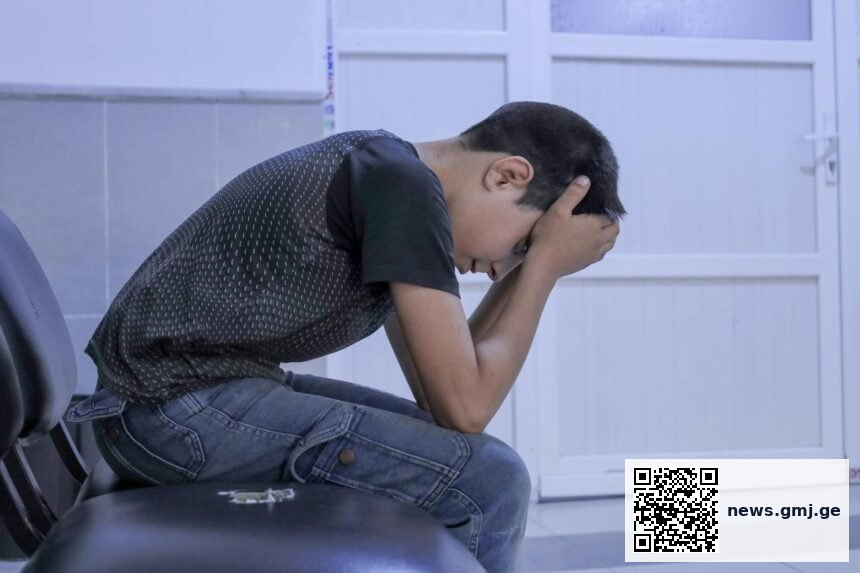
Suicide among young people is accelerating across the Americas, according to a warning issued by the Pan American Health Organization (PAHO), the regional office of the World Health Organization (WHO). The organisation has called for urgent investment in evidence-based prevention strategies to reverse what it describes as a troubling trend among adolescents and young adults.
Crisis amid economic strain and social fragmentation
According to the PAHO alert issued on 20 May 2026, multiple factors are driving the upward trajectory of suicides among young people. Economic instability, social isolation, and limited access to mental health services create a particularly challenging environment for adolescents facing developmental vulnerabilities. The organisation emphasises that this rise is not inevitable but reflects systemic failures in prevention infrastructure.
The Americas region, spanning from Canada to Argentina, encompasses countries with vastly different healthcare resources—yet PAHO reports similar upward trends in youth suicide rates across the region.

Prevention barriers: insufficient funding and service gaps
According to PAHO, the critical challenge is a persistent gap between evidence-based prevention strategies and their actual implementation. Evidence-based interventions—including school-based mental health programs, gatekeeper training, and crisis hotline services—exist and are proven effective in multiple settings. However, resource constraints mean that many countries in the region operate with fragmented services, insufficient trained personnel, and minimal funding for population-level prevention.
PAHO has called for governments to treat adolescent mental health as a core public health function, not a peripheral service.
Actionable pathways: integration and early detection
PAHO’s alert emphasises that reversing this trend requires multi-sector action. Primary care systems must be strengthened to identify at-risk youth early; schools need trained staff to recognise warning signs and connect students to support; and digital platforms can extend crisis response beyond traditional clinic hours in remote areas. Family and community-based interventions, tailored to local cultural contexts, also show promise in reducing suicidal behaviour.
The region’s diversity means no single intervention will work uniformly. Yet PAHO identifies common elements that form a robust prevention framework: universal screening in schools and primary care, accessible crisis lines, evidence-based psychotherapy, and safe access restrictions to means of suicide. Success requires sustained political commitment and cross-sector collaboration between health, education, and social welfare ministries.
Suicide among adolescents and young adults is rising across the Americas, requiring urgent investment in evidence-based prevention strategies, mental health workforce expansion, and integrated school and primary care screening.
— Pan American Health Organization (PAHO), 20 May 2026
Key takeaways
- PAHO reports adolescent and young adult suicide rates are rising across the Americas, signalling a critical mental health crisis requiring urgent governmental and health system response
- Major prevention barriers include insufficient mental health workforce, inadequate funding, fragmented services, and limited crisis intervention capacity in many countries across the region
- Evidence-based interventions—including school mental health programmes, primary care screening, gatekeeper training, and crisis hotlines—exist and are proven effective but remain underfunded and poorly implemented at scale
- Reversing the trend requires multi-sector action: universal screening in schools and primary care, accessible crisis lines, culturally tailored family interventions, and safe means restriction strategies
Frequently asked questions
Why is adolescent suicide rising across the Americas?
According to PAHO, multiple drivers are converging: economic instability, social isolation, limited mental health access, and insufficient early detection systems in schools and primary care. PAHO emphasises that suicide risk reflects a failure of prevention systems to identify and support vulnerable young people before crisis occurs.
What interventions does PAHO recommend?
PAHO endorses multi-level prevention: universal mental health screening in schools and primary care; gatekeeper training (training teachers, coaches, and healthcare workers to identify at-risk youth); accessible crisis lines; evidence-based psychotherapy; family support; and restriction of access to means of suicide. Success requires sustained funding, workforce development, and cross-sector coordination.
The PAHO alert represents a turning point: explicit acknowledgement that adolescent suicide in the Americas is a preventable crisis. The region now faces a clear choice: invest urgently in evidence-based systems now, or accept continued preventable deaths among young people.
🗺️ Find certified Georgian healthcare providers: sheniekimi.ge — Georgia Health Map · 998 clinics · 6,600+ doctors · 2,296 pharmacies
Was this article helpful?
Disclaimer. This article is health journalism intended for general information and education. It is not medical advice and is not a substitute for professional diagnosis or treatment. Always consult a qualified healthcare provider about your individual circumstances. Full disclaimer →
Related Coverage


Editorial standards. This article was produced under the GMJ News editorial process, with oversight by the GMJ Editorial Board. Our editorial process. Spotted an error? Contact the editorial team.