By using this site, you agree to the Privacy Policy and Terms of Use.
Accept
GMJ NewsGMJ NewsGMJ News
  • Latest News
  • Research Digest
    • New Studies
    • Georgian Research
    • Data & Numbers
  • Policy & Systems
    • Health Policy
    • Quality & Safety
    • Migration & Health
    • Global Health
  • Practice
    • Clinical Updates
    • Case Discussions
    • Pharmacy & Prescribing
  • Perspectives
    • Editorial
    • Explainers
    • Voices
    • Letters
  • Podcast & Media
    • Podcast Episodes
    • Video
    • Infographics
  • GMJ Articles
    • Vol. 1 Issue 2 (2026)
    • Vol. 1 Issue 1 (2026)
    • Pre-Launch Articles (2025)
  • Read the Journal →
Notification Show More
Font ResizerAa
GMJ NewsGMJ News
Font ResizerAa
  • Latest News
  • Research Digest
    • New Studies
    • Georgian Research
    • Data & Numbers
  • Policy & Systems
    • Health Policy
    • Quality & Safety
    • Migration & Health
    • Global Health
  • Practice
    • Clinical Updates
    • Case Discussions
    • Pharmacy & Prescribing
  • Perspectives
    • Editorial
    • Explainers
    • Voices
    • Letters
  • Podcast & Media
    • Podcast Episodes
    • Video
    • Infographics
  • GMJ Articles
    • Vol. 1 Issue 2 (2026)
    • Vol. 1 Issue 1 (2026)
    • Pre-Launch Articles (2025)
  • Read the Journal →
Follow US
GMJ News > Research Digest > New Studies > Brain-Immune Connection: How the Inflammatory Reflex Controls Disease
New StudiesResearch Digest

Brain-Immune Connection: How the Inflammatory Reflex Controls Disease

GMJ
Last updated: 05/23/2026 00:08
By
GMJ News Desk
Share
7 Min Read
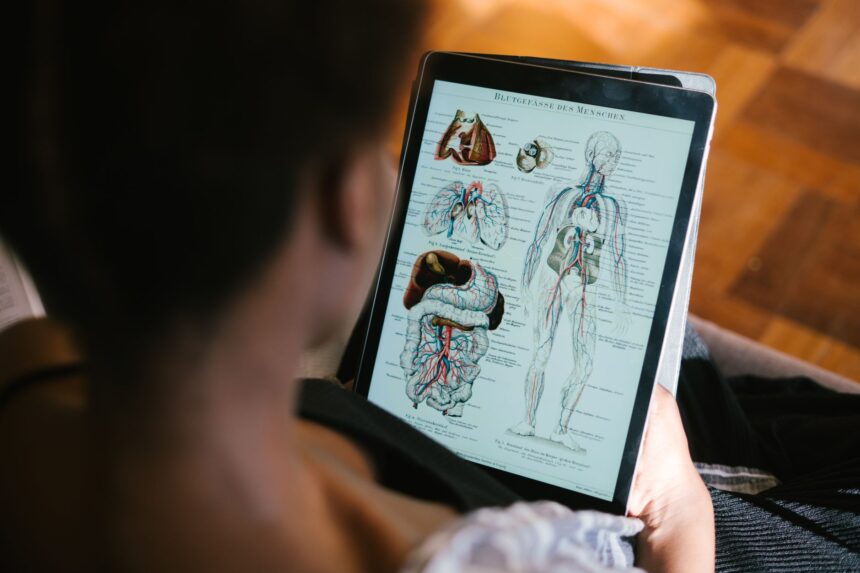
Diagram showing inflammatory reflex pathway from brain through vagus nerve to spleen and immune response
New research reveals how the brain controls immune responses through the inflammatory reflex, an electrical pathway via the vagus nerve that can reduce inflammation within minutes. Clinical trials show promise for treating rheumatoid arthritis and other inflammatory diseases. — Photo: RF._.studio _ / Pexels
SHARE

New research reveals how the brain directly communicates with the immune system through an electrical pathway called the inflammatory reflex, offering fresh insights into treating chronic inflammatory diseases. This neural circuit, mediated by the vagus nerve, demonstrates that inflammation is not purely chemical but can be electrically controlled by the brain.

Contents
      • The Inflammatory Reflex Pathway
  • Vagus Nerve: The Body’s Anti-Inflammatory Highway
  • Spleen Transforms Neural Signals into Chemical Messages
  • Acetylcholine: Nature’s Anti-Inflammatory Switch
  • Clinical Applications Show Promise
    • Key takeaways
  • Frequently asked questions
    • How quickly does the inflammatory reflex work?
    • Can you activate the inflammatory reflex without surgery?
    • What diseases might benefit from targeting the inflammatory reflex?
Minutes
Time required for vagus nerve stimulation to increase noradrenaline in the spleen

The Inflammatory Reflex Pathway

Three-stage neural circuit from brain to immune response

Brain Signal
Stage 1
Spleen Relay
Stage 2
Anti-inflammatory Response
Stage 3

Source: Nature Reviews Endocrinology, 2012 | Georgian Medical Journal News

Vagus Nerve: The Body’s Anti-Inflammatory Highway

The inflammatory reflex begins with electrical impulses from the brainstem traveling through the vagus nerve to the spleen, the body’s primary blood-filtering and immune-coordinating organ. According to research published in Nature Reviews Endocrinology, this pathway represents a fundamental mechanism by which the nervous system regulates immune responses.

Submit Your Paper
GMJ_Submit_Banner

Deep breathing exercises and meditation can activate the vagus nerve, leading to measurable reductions in circulating inflammatory markers including C-reactive protein (CRP) and interleukin-6 (IL-6). This connection explains why stress management techniques often produce measurable anti-inflammatory effects in clinical studies.

Spleen Transforms Neural Signals into Chemical Messages

When the vagus nerve stimulates the spleen, it triggers the splenic nerve to release noradrenaline, which in turn activates immune T cells to produce acetylcholine. Animal studies demonstrate that this neural-to-chemical conversion occurs within minutes of vagus nerve stimulation, highlighting the rapid communication between nervous and immune systems.

This relay mechanism explains how psychological states can directly influence immune function. The spleen serves as a critical junction where electrical nerve impulses are translated into specific immune responses, providing a biological basis for the mind-body connection observed in medical research.

Acetylcholine: Nature’s Anti-Inflammatory Switch

The final step involves acetylcholine binding to receptors on macrophages, the immune cells responsible for producing inflammatory molecules. This binding significantly reduces the release of tumor necrosis factor-alpha (TNF-α), a key inflammatory cytokine implicated in rheumatoid arthritis, inflammatory bowel disease, and other chronic conditions.

Clinical trials using implanted vagus nerve stimulators in rheumatoid arthritis patients have demonstrated measurable decreases in TNF-α levels accompanied by improved joint pain scores. Notably, these benefits occurred without traditional immunosuppressive medications, suggesting the inflammatory reflex offers a more targeted approach to inflammation control, according to studies tracked by the Georgian Medical Journal.

Clinical Applications Show Promise

Vagus nerve stimulation devices are now being tested for multiple inflammatory conditions beyond rheumatoid arthritis. Early results suggest potential applications in treating inflammatory bowel disease, sepsis, and even certain neuroinflammatory conditions.

The electrical nature of this anti-inflammatory pathway offers advantages over pharmaceutical approaches, including faster onset of action and fewer systemic side effects. Researchers are exploring both invasive stimulation devices and non-invasive techniques such as transcutaneous vagus nerve stimulation for broader clinical application, as reported in recent systematic reviews.

Vagus nerve stimulation increased splenic noradrenaline within minutes and significantly reduced TNF-α production in macrophages, demonstrating direct neural control over inflammatory responses.

— Research team, Nature Reviews Endocrinology (2012)

Key takeaways

  • The inflammatory reflex is a three-stage electrical pathway from brain to immune response via the vagus nerve and spleen
  • Neural stimulation can reduce inflammatory markers like TNF-α within minutes without drugs
  • Clinical applications include vagus nerve stimulators for rheumatoid arthritis and other inflammatory diseases
  • Non-invasive techniques like deep breathing can activate this anti-inflammatory pathway

Frequently asked questions

How quickly does the inflammatory reflex work?

Animal studies show that vagus nerve stimulation increases noradrenaline in the spleen within minutes. The subsequent anti-inflammatory effects, including reduced TNF-α production, can be measured shortly after stimulation begins.

Can you activate the inflammatory reflex without surgery?

Yes, non-invasive methods including deep breathing exercises, meditation, and transcutaneous vagus nerve stimulation can activate this pathway. These techniques have been shown to reduce inflammatory markers in clinical studies.

What diseases might benefit from targeting the inflammatory reflex?

Current research focuses on rheumatoid arthritis, inflammatory bowel disease, and sepsis. Scientists are investigating potential applications in neuroinflammatory conditions and other chronic inflammatory diseases where TNF-α plays a key role.

The discovery of the inflammatory reflex fundamentally changes our understanding of how the nervous and immune systems interact. As researchers develop more sophisticated ways to harness this natural anti-inflammatory pathway, patients may gain access to treatments that offer the precision of targeted therapy with the safety profile of the body’s own regulatory mechanisms.

Source: How the brain talks to the immune system


TAGGED:brain-immune connectionchronic inflammationinflammatory reflexTNF-alphavagus nerve
Share This Article
Facebook Copy Link Print
Leave a Comment Leave a Comment

Leave a Reply Cancel reply

Your email address will not be published. Required fields are marked *

Submit Your Paper →

Georgia's peer-reviewed open-access medical journal. No APC until January 2027.
Submit Manuscript →
Brain Energy Consumption Peaks at 50% in Children, Study Reveals Critical Role of B Vitamins

New research reveals the brain consumes up to 50% of total body…

Brain Energy Consumption Peaks at 50% in Children, Study Reveals Critical Role of B Vitamins

New research reveals the brain consumes up to 50% of total body…

Carbohydrate Intake During Exercise Shows Modest Muscle Glycogen Sparing Effects

New meta-analysis of 31 trials reveals carbohydrate intake during prolonged exercise reduces…

Submit Your Paper to GMJ

No APC until January 2027.
Submit Manuscript →

You Might Also Like

Infographic showing vaccination coverage trends and timing importance for childhood immunisation programmes
New Studies

Vaccination Coverage Alone Is Not Enough: New Evidence Shows Timing Matters More Than We Thought

By
GMJ News Desk
Brain health concept showing protective foods and vascular pathways
New Studies

Fermented Soy Foods Show Promise in Reducing Cognitive Decline Risk

By
GMJ News Desk
Chart comparing pharmaceutical R&D spending versus innovation output across major companies
Data & Numbers

New R&D Ranking Reveals Sharp Disparities in Pharmaceutical Innovation Efficiency

By
GMJ News Desk
Illustration of implantable cerebrospinal fluid biosensor platform for neurocritical monitoring
New Studies

Real-time brain fluid monitoring transforms neurocritical care: a breakthrough in cerebrospinal fluid diagnostics

By
GMJ News Desk
GMJ News > Research Digest > New Studies > Brain-Immune Connection: How the Inflammatory Reflex Controls Disease
New StudiesResearch Digest

Brain-Immune Connection: How the Inflammatory Reflex Controls Disease

GMJ
Last updated: 05/22/2026 23:08
By
GMJ News Desk
Share
7 Min Read
Diagram showing inflammatory reflex pathway from brain through vagus nerve to spleen and immune response
New research reveals how the brain controls immune responses through the inflammatory reflex, an electrical pathway via the vagus nerve that can reduce inflammation within minutes. Clinical trials show promise for treating rheumatoid arthritis and other inflammatory diseases. — Photo: RF._.studio _ / Pexels
SHARE

New research reveals how the brain directly communicates with the immune system through an electrical pathway called the inflammatory reflex, offering fresh insights into treating chronic inflammatory diseases. This neural circuit, mediated by the vagus nerve, demonstrates that inflammation is not purely chemical but can be electrically controlled by the brain.

Contents
      • The Inflammatory Reflex Pathway
  • Vagus Nerve: The Body’s Anti-Inflammatory Highway
  • Spleen Transforms Neural Signals into Chemical Messages
  • Acetylcholine: Nature’s Anti-Inflammatory Switch
  • Clinical Applications Show Promise
    • Key takeaways
  • Frequently asked questions
    • How quickly does the inflammatory reflex work?
    • Can you activate the inflammatory reflex without surgery?
    • What diseases might benefit from targeting the inflammatory reflex?
Minutes
Time required for vagus nerve stimulation to increase noradrenaline in the spleen

The Inflammatory Reflex Pathway

Three-stage neural circuit from brain to immune response

Brain Signal
Stage 1
Spleen Relay
Stage 2
Anti-inflammatory Response
Stage 3

Source: Nature Reviews Endocrinology, 2012 | Georgian Medical Journal News

Vagus Nerve: The Body’s Anti-Inflammatory Highway

The inflammatory reflex begins with electrical impulses from the brainstem traveling through the vagus nerve to the spleen, the body’s primary blood-filtering and immune-coordinating organ. According to research published in Nature Reviews Endocrinology, this pathway represents a fundamental mechanism by which the nervous system regulates immune responses.

Submit Your Paper
GMJ_Submit_Banner

Deep breathing exercises and meditation can activate the vagus nerve, leading to measurable reductions in circulating inflammatory markers including C-reactive protein (CRP) and interleukin-6 (IL-6). This connection explains why stress management techniques often produce measurable anti-inflammatory effects in clinical studies.

Spleen Transforms Neural Signals into Chemical Messages

When the vagus nerve stimulates the spleen, it triggers the splenic nerve to release noradrenaline, which in turn activates immune T cells to produce acetylcholine. Animal studies demonstrate that this neural-to-chemical conversion occurs within minutes of vagus nerve stimulation, highlighting the rapid communication between nervous and immune systems.

This relay mechanism explains how psychological states can directly influence immune function. The spleen serves as a critical junction where electrical nerve impulses are translated into specific immune responses, providing a biological basis for the mind-body connection observed in medical research.

Acetylcholine: Nature’s Anti-Inflammatory Switch

The final step involves acetylcholine binding to receptors on macrophages, the immune cells responsible for producing inflammatory molecules. This binding significantly reduces the release of tumor necrosis factor-alpha (TNF-α), a key inflammatory cytokine implicated in rheumatoid arthritis, inflammatory bowel disease, and other chronic conditions.

Clinical trials using implanted vagus nerve stimulators in rheumatoid arthritis patients have demonstrated measurable decreases in TNF-α levels accompanied by improved joint pain scores. Notably, these benefits occurred without traditional immunosuppressive medications, suggesting the inflammatory reflex offers a more targeted approach to inflammation control, according to studies tracked by the Georgian Medical Journal.

Clinical Applications Show Promise

Vagus nerve stimulation devices are now being tested for multiple inflammatory conditions beyond rheumatoid arthritis. Early results suggest potential applications in treating inflammatory bowel disease, sepsis, and even certain neuroinflammatory conditions.

The electrical nature of this anti-inflammatory pathway offers advantages over pharmaceutical approaches, including faster onset of action and fewer systemic side effects. Researchers are exploring both invasive stimulation devices and non-invasive techniques such as transcutaneous vagus nerve stimulation for broader clinical application, as reported in recent systematic reviews.

Vagus nerve stimulation increased splenic noradrenaline within minutes and significantly reduced TNF-α production in macrophages, demonstrating direct neural control over inflammatory responses.

— Research team, Nature Reviews Endocrinology (2012)

Key takeaways

  • The inflammatory reflex is a three-stage electrical pathway from brain to immune response via the vagus nerve and spleen
  • Neural stimulation can reduce inflammatory markers like TNF-α within minutes without drugs
  • Clinical applications include vagus nerve stimulators for rheumatoid arthritis and other inflammatory diseases
  • Non-invasive techniques like deep breathing can activate this anti-inflammatory pathway

Frequently asked questions

How quickly does the inflammatory reflex work?

Animal studies show that vagus nerve stimulation increases noradrenaline in the spleen within minutes. The subsequent anti-inflammatory effects, including reduced TNF-α production, can be measured shortly after stimulation begins.

Can you activate the inflammatory reflex without surgery?

Yes, non-invasive methods including deep breathing exercises, meditation, and transcutaneous vagus nerve stimulation can activate this pathway. These techniques have been shown to reduce inflammatory markers in clinical studies.

What diseases might benefit from targeting the inflammatory reflex?

Current research focuses on rheumatoid arthritis, inflammatory bowel disease, and sepsis. Scientists are investigating potential applications in neuroinflammatory conditions and other chronic inflammatory diseases where TNF-α plays a key role.

The discovery of the inflammatory reflex fundamentally changes our understanding of how the nervous and immune systems interact. As researchers develop more sophisticated ways to harness this natural anti-inflammatory pathway, patients may gain access to treatments that offer the precision of targeted therapy with the safety profile of the body’s own regulatory mechanisms.

Source: How the brain talks to the immune system


TAGGED:brain-immune connectionchronic inflammationinflammatory reflexTNF-alphavagus nerve
Share This Article
Facebook Copy Link Print
Leave a Comment Leave a Comment

Leave a Reply Cancel reply

Your email address will not be published. Required fields are marked *

Submit Your Paper →

Georgia's peer-reviewed open-access medical journal. No APC until January 2027.
Submit Manuscript →
Vigorous Exercise Before Stress Blocks Cortisol Surge, Study Shows

New research shows vigorous exercise can reduce cortisol response to psychological stress…

Biogen-Denali Parkinson’s Drug Fails Phase 2 Trial, Highlighting Treatment Development Challenges

Biogen and Denali's experimental Parkinson's therapy failed Phase 2 trial endpoints, highlighting…

EU and US Drug Regulators Split Over AstraZeneca’s New Breast Cancer Treatment

European and American drug regulators reached opposing conclusions on AstraZeneca's experimental breast…

Submit Your Paper to GMJ

No APC until January 2027.
Submit Manuscript →

You Might Also Like

Scientific data visualization showing air pollution's impact on biological aging across European populations
New Studies

Air Pollution Accelerates Biological Aging, 39-Year Study Reveals

By
GMJ News Desk
Healthcare provider supporting new parent with mental health consultation
New Studies

Caregiver Mental Health Crisis: New Evidence Shows Critical Care Gaps Threaten Entire Families

By
GMJ News Desk
Scientific diagram showing vitamin functions across major body systems including immune, skeletal, and neurological pathways
New Studies

Vitamins Function as Essential Biochemical Operators, Not Optional Nutrients

By
GMJ News Desk
Comparison chart showing protein synthesis rates between animal and plant protein sources
New Studies

Plant vs Animal Protein: New Research Challenges Single-Meal Assumptions

By
GMJ News Desk
Facebook Twitter Youtube Instagram
Company
  • Privacy Policy
  • Contact US
  • GMJ Journal
  • Submit Manuscript
  • Editorial Team
  • Register at GMJ
  • Terms of Use

Sign Up For Free

Subscribe to our newsletter and don't miss out on our programs, webinars and trainings.

[mc4wp_form]

Join Community
Made by ThemeRuby using the Foxiz theme. Powered by WordPress
© 2026 Georgian Medical Journal (GMJ). Published by the Public Health Institute of Georgia (PHIG). All rights reserved.
Welcome Back!

Sign in to your account

Username or Email Address
Password

Lost your password?

Not a member? Sign Up