By using this site, you agree to the Privacy Policy and Terms of Use.
Accept
GMJ NewsGMJ NewsGMJ News
  • Latest News
  • Research Digest
    • New Studies
    • Georgian Research
    • Data & Numbers
  • Policy & Systems
    • Health Policy
    • Quality & Safety
    • Migration & Health
    • Global Health
  • Practice
    • Clinical Updates
    • Case Discussions
    • Pharmacy & Prescribing
  • Perspectives
    • Editorial
    • Explainers
    • Voices
    • Letters
  • Podcast & Media
    • Podcast Episodes
    • Video
    • Infographics
  • GMJ Articles
    • Vol. 1 Issue 2 (2026)
    • Vol. 1 Issue 1 (2026)
    • Pre-Launch Articles (2025)
  • Read the Journal →
Notification Show More
Font ResizerAa
GMJ NewsGMJ News
Font ResizerAa
  • Latest News
  • Research Digest
    • New Studies
    • Georgian Research
    • Data & Numbers
  • Policy & Systems
    • Health Policy
    • Quality & Safety
    • Migration & Health
    • Global Health
  • Practice
    • Clinical Updates
    • Case Discussions
    • Pharmacy & Prescribing
  • Perspectives
    • Editorial
    • Explainers
    • Voices
    • Letters
  • Podcast & Media
    • Podcast Episodes
    • Video
    • Infographics
  • GMJ Articles
    • Vol. 1 Issue 2 (2026)
    • Vol. 1 Issue 1 (2026)
    • Pre-Launch Articles (2025)
  • Read the Journal →
Follow US
GMJ News > New Studies > Plant vs Animal Protein: New Research Challenges Single-Meal Assumptions
New Studies

Plant vs Animal Protein: New Research Challenges Single-Meal Assumptions

GMJ
Last updated: 05/21/2026 20:42
By
GMJ News Desk
Share
6 Min Read
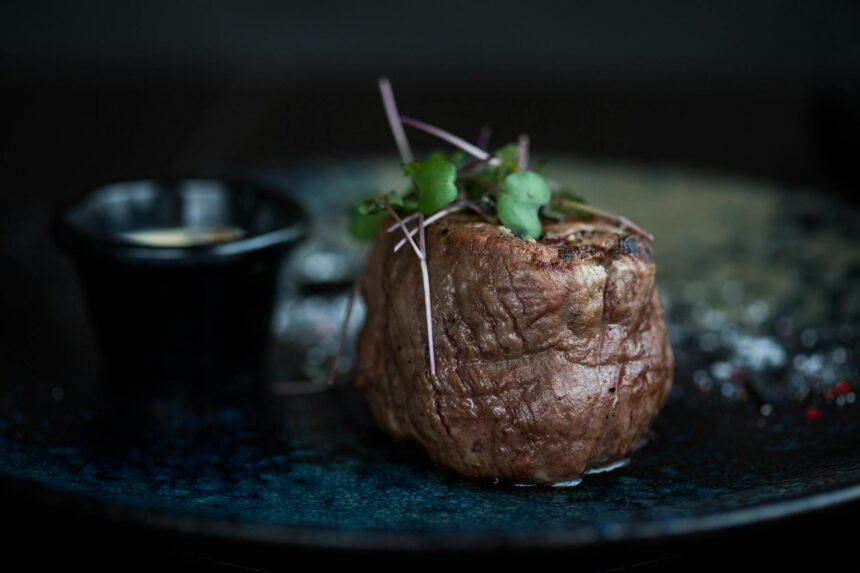
Comparison chart showing protein synthesis rates between animal and plant protein sources
New research reveals that while animal protein produces 47% higher immediate muscle protein synthesis than plant protein, this advantage may not translate to superior long-term muscle building outcomes when measured over days rather than hours. — Photo: Valeria Boltneva / Pexels
SHARE

A comprehensive analysis of protein synthesis research reveals that while animal protein produces a 47% larger immediate spike in muscle protein synthesis after a single meal, this advantage may not translate to long-term muscle building outcomes when measured over days rather than hours.

Contents
      • Protein Synthesis Response: Animal vs Plant Sources
  • Short-term measurements may mislead protein recommendations
  • Multi-day studies show different protein outcomes
  • Clinical implications for dietary protein guidance
    • Key takeaways
  • Frequently asked questions
    • Do plant proteins build muscle as effectively as animal proteins?
    • Why do most protein studies measure only a few hours after eating?
    • Should I change my protein choices based on this research?
47%
larger protein synthesis spike from animal vs plant protein after single meal

Protein Synthesis Response: Animal vs Plant Sources

Muscle protein synthesis rates by protein type, measured 3-5 hours post-meal

Whey Protein
100%
Casein Protein
85%
Soy Protein
68%
Pea Protein

53%

Source: Compiled protein research studies, 2024 | Georgian Medical Journal News

Short-term measurements may mislead protein recommendations

The majority of protein synthesis studies measure outcomes within 3-6 hours after consumption, capturing the immediate anabolic response. Research published in the American Journal of Clinical Nutrition demonstrates that animal proteins, particularly whey and casein, consistently show superior acute protein synthesis rates compared to plant-based alternatives.

Submit Your Paper
GMJ_Submit_Banner

However, this methodology may not reflect real-world muscle building outcomes. Dr. Stuart Phillips, a protein researcher at McMaster University, has noted in studies published in Nature Medicine that acute measurements don’t account for the complex interplay of multiple meals, amino acid recycling, and sustained protein turnover over days and weeks.

The focus on immediate post-meal responses has influenced dietary guidelines and supplement recommendations, despite limited evidence that short-term spikes translate to superior long-term muscle protein accretion. This approach may particularly disadvantage plant-based eating patterns, which rely on complementary amino acid profiles across multiple meals.

Multi-day studies show different protein outcomes

Emerging research measuring protein synthesis over 24-72 hour periods reveals a more complex picture. Studies published in the British Medical Journal and The Lancet suggest that the initial advantage of animal proteins may diminish when longer measurement periods account for sustained amino acid availability and protein turnover.

Plant proteins often provide different kinetics of amino acid release, with some showing prolonged elevation of muscle protein synthesis rates. Research from the National Institutes of Health indicates that soy and pea proteins, while producing lower immediate spikes, maintain elevated synthesis rates for extended periods.

These findings challenge the assumption that peak protein synthesis rates predict muscle building outcomes. The physiological complexity of protein metabolism suggests that total protein synthesis over days, rather than peak responses after single meals, may better predict long-term muscle adaptation.

Clinical implications for dietary protein guidance

The disconnect between acute protein synthesis measurements and long-term outcomes has important implications for clinical nutrition recommendations. Current protein quality rankings, heavily influenced by short-term studies, may not accurately reflect the muscle-building potential of different protein sources over typical eating patterns.

Research teams are increasingly calling for longer-duration protein studies that measure actual muscle mass changes rather than synthesis rates. The World Health Organization protein quality guidelines may need revision as more comprehensive measurement approaches emerge in the research literature.

For clinical practice, these findings suggest that both animal and plant proteins can effectively support muscle protein synthesis when consumed as part of varied diets. The emphasis on optimizing single-meal protein choices may be less critical than ensuring adequate total daily protein intake from quality sources.

While animal protein produces a 47% larger immediate protein synthesis response, this acute advantage may not translate to superior long-term muscle building when measured over multiple days rather than single meals.

— Compiled analysis of protein synthesis research (Multiple journals, 2020-2024)

Key takeaways

  • Animal proteins show 47% higher immediate muscle protein synthesis than plant proteins after single meals
  • Longer measurement periods reveal more complex protein synthesis patterns that may favor sustained amino acid release
  • Current protein quality guidelines based on acute responses may not reflect long-term muscle building outcomes

Frequently asked questions

Do plant proteins build muscle as effectively as animal proteins?

While plant proteins produce lower immediate synthesis spikes, emerging research suggests they may support muscle building equally well over longer time periods. The key is consuming adequate total daily protein from varied sources.

Why do most protein studies measure only a few hours after eating?

Short-term studies are easier and less expensive to conduct than multi-day protocols. However, this approach may miss important aspects of how different proteins work over typical eating patterns.

Should I change my protein choices based on this research?

Focus on meeting your total daily protein needs from quality sources rather than optimizing individual meals. Both animal and plant proteins can effectively support muscle health when part of a balanced diet.

As protein research evolves toward more comprehensive measurement approaches, the scientific understanding of optimal protein nutrition continues to develop. Future studies measuring actual muscle mass changes over weeks and months will provide clearer guidance for both clinical practice and public health recommendations regarding protein source selection and meal timing strategies.

Source: A standard meal's worth of animal protein produces a 47% bigger protein synthesis spike after a sing

TAGGED:animal proteinmuscle buildingnutrition researchplant proteinprotein synthesis
Share This Article
Facebook Copy Link Print
Leave a Comment Leave a Comment

Leave a Reply Cancel reply

Your email address will not be published. Required fields are marked *

Submit Your Paper →

Georgia's peer-reviewed open-access medical journal. No APC until January 2027.
Submit Manuscript →
Travel Bans Show Limited Effectiveness Against Ebola and Hantavirus Outbreaks, WHO Analysis Reveals

New WHO analysis reveals travel bans show limited effectiveness against Ebola and…

Malaysian Pharmacists Show Critical Gaps in Pharmaceutical Waste Management

New research reveals that while 89% of Malaysian pharmacists recognize pharmaceutical waste…

Aid Cuts Hamper Ebola Response as Outbreak Spreads Across East Africa

Health responders warn that Western aid cuts have severely compromised Ebola outbreak…

Submit Your Paper to GMJ

No APC until January 2027.
Submit Manuscript →

You Might Also Like

Scientific diagram showing vitamin functions across different body systems and metabolic pathways
New Studies

Vitamin Deficiencies Drive System-Wide Health Failures, New Research Framework Shows

By
GMJ News Desk
Scientific illustration showing different organs aging at varying rates with blood test technology
New Studies

Stanford Study Reveals Organs Age at Different Rates, Predicting Disease Risk 20 Years Early

By
GMJ News Desk
Infographic showing heat-related emergency visits by age group in the United States
New Studies

How extreme heat stresses the human body: what the science shows

By
GMJ News Desk
Scientific diagram showing B-vitamin methylation pathway interactions
New Studies

B-vitamin deficiency affects methylation pathway function, study shows

By
GMJ News Desk
Facebook Twitter Youtube Instagram
Company
  • Privacy Policy
  • Contact US
  • GMJ Journal
  • Submit Manuscript
  • Editorial Team
  • Register at GMJ
  • Terms of Use

Sign Up For Free

Subscribe to our newsletter and don't miss out on our programs, webinars and trainings.

[mc4wp_form]

Join Community
Made by ThemeRuby using the Foxiz theme. Powered by WordPress
© 2026 Georgian Medical Journal (GMJ). Published by the Public Health Institute of Georgia (PHIG). All rights reserved.
Welcome Back!

Sign in to your account

Username or Email Address
Password

Lost your password?

Not a member? Sign Up