Updated 14/09/2026
Stanford researchers have developed technology that can measure the aging rates of 11 different organs from a single blood draw, revealing that roughly one in five people has organs aging at significantly different speeds, according to Oh et al. (Nature, 2023). The breakthrough could revolutionize personalized medicine by predicting specific disease risks decades before symptoms appear.
Disease Risk Increases Vary by Organ Aging Acceleration
Percentage increase in disease risk when specific organs age faster than expected
Source: Oh et al., Nature, 2023; Kivimäki et al., Lancet Digital Health, 2025 | Georgian Medical Journal News

Blood Proteins Reveal Organ-Specific Aging Patterns
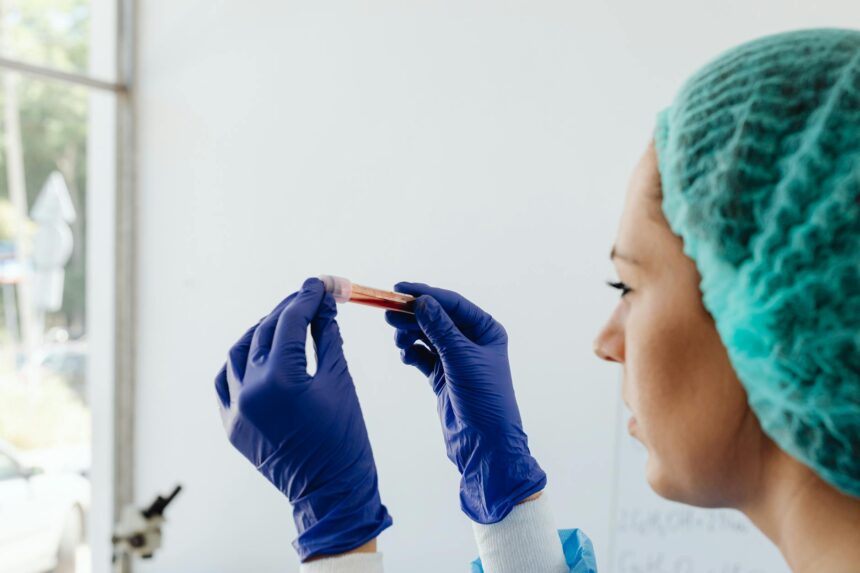
The technology works by measuring thousands of proteins in blood plasma that are shed by different organs. According to Oh et al. (Nature, 2023), the liver releases hepatic proteins, the pancreas secretes pancreatic proteins, and the heart leaks cardiac proteins into circulation.
Using machine learning algorithms, researchers built separate aging clocks for 11 organs from these protein signatures. The study by Oh and colleagues validated these organ-specific aging clocks in 5,676 adults across five independent research cohorts.
The implications extend far beyond biological curiosity. Oh et al. (Nature, 2023) suggests that a 50-year-old whose heart is aging at the rate of a 53-year-old while their kidneys age like those of a 39-year-old has a fundamentally different disease risk profile than someone with the opposite pattern.
Twenty-Year Study Links Organ Aging to Disease Outcomes
The predictive power of organ-specific aging was demonstrated in the Whitehall II study, which tracked 6,235 middle-aged adults for two decades. Research published in Lancet Digital Health by Kivimäki et al. (2025) showed that organ ages measured from a single baseline blood draw predicted 30 different age-related diseases over the following 20 years.
Six diseases were predicted exclusively by aging in their corresponding organ system, according to Kivimäki et al. (Lancet Digital Health, 2025). People whose liver was aging faster than the rest of their body were more than twice as likely to develop liver failure during the follow-up period.
The cardiovascular findings were particularly striking. Accelerated heart aging raised the risk of dilated cardiomyopathy by approximately two-thirds and chronic heart failure by about half, according to Kivimäki et al. (Lancet Digital Health, 2025).
Brain and Vascular Aging Match Top Alzheimer’s Biomarkers
The study revealed that brain and vascular aging patterns predicted Alzheimer’s disease progression as accurately as plasma pTau-181, currently considered the best blood-based biomarker for the condition, according to Oh et al. (Nature, 2023).
Accelerated lung aging raised lung cancer risk by roughly 30%, according to Kivimäki et al. (Lancet Digital Health, 2025), demonstrating that the predictive power extends across multiple organ systems. The precision of these predictions challenges current approaches that rely on single biological age measurements.
Current commercial biological age tests collapse all eleven organ signals into a single output, potentially missing critical individual organ dysfunction that could guide targeted interventions, according to the original source material.
Roughly 20% of the population had at least one organ aging significantly faster than the rest of their body, with heart aging alone conferring 250% higher heart failure risk.
— Oh et al., Stanford University (Nature, 2023)
Key takeaways
- Single blood draw can measure aging rates of 11 different organs using protein signatures (Oh et al., Nature, 2023)
- 20% of people have organs aging at significantly different rates from their overall body (Oh et al., Nature, 2023)
- Organ-specific aging predicts disease risk up to 20 years before symptoms appear (Kivimäki et al., Lancet Digital Health, 2025)
- Heart aging acceleration increases heart failure risk by 250% (Oh et al., Nature, 2023)
- Technology could enable targeted interventions for specific organ dysfunction
Frequently asked questions
How accurate are organ-specific aging predictions compared to traditional biological age tests?
Organ-specific aging clocks predicted 30 different age-related diseases over 20 years, with six diseases predicted exclusively by their corresponding organ aging, according to Kivimäki et al. (Lancet Digital Health, 2025). Traditional biological age tests provide only a single overall measurement, potentially missing critical organ-specific dysfunction.
Can people with accelerated organ aging take steps to slow the process?
While the studies focused on prediction rather than intervention, identifying which specific organs are aging faster could enable targeted treatments. For example, accelerated heart aging might prompt earlier cardiovascular interventions, while liver aging could guide hepatic protection strategies.
When might this technology become available for routine clinical use?
The technology has been validated across multiple large cohorts and uses existing plasma proteomics platforms, according to Oh et al. (Nature, 2023). However, clinical implementation will require regulatory approval and integration into healthcare systems, which typically takes several years for novel diagnostic approaches.
As researchers continue to refine these organ-specific aging clocks, the technology promises to transform how clinicians assess disease risk and plan interventions. The ability to identify which organs are aging fastest could enable precision medicine approaches that target specific vulnerabilities decades before disease onset, potentially preventing rather than merely treating age-related conditions.
Source: Your body doesn’t age as one unit
{“@context”:”https://schema.org”,”@type”:”FAQPage”,”mainEntity”:[{“@type”:”Question”,”name”:”How accurate are organ-specific aging predictions compared to traditional biological age tests?”,”acceptedAnswer”:{“@type”:”Answer”,”text”:”Organ-specific aging clocks predicted 30 different age-related diseases over 20 years, with six diseases predicted exclusively by their corresponding organ aging. Traditional biological age tests provide only a single overall measurement, potentially missing critical organ-specific dysfunction.”}},{“@type”:”Question”,”name”:”Can people with accelerated organ aging take steps to slow the process?”,”acceptedAnswer”:{“@type”:”Answer”,”text”:”While the studies focused on prediction rather than intervention, identifying which specific organs are aging faster could enable targeted treatments. For example, accelerated heart aging might prompt earlier cardiovascular interventions, while liver aging could guide hepatic protection strategies.”}},{“@type”:”Question”,”name”:”When might this technology become available for routine clinical use?”,”acceptedAnswer”:{“@type”:”Answer”,”text”:”The technology has been validated across multiple large cohorts and uses existing plasma proteomics platforms. However, clinical implementation will require regulatory approval and integration into healthcare systems, which typically takes several years for novel diagnostic approaches.”}}]}
🗺️ Find certified Georgian healthcare providers: sheniekimi.ge — Georgia Health Map · 998 clinics · 6,600+ doctors · 2,296 pharmacies
Was this article helpful?
Disclaimer. This article is health journalism intended for general information and education. It is not medical advice and is not a substitute for professional diagnosis or treatment. Always consult a qualified healthcare provider about your individual circumstances. Full disclaimer →
Related Coverage




Editorial standards. This article was produced under the GMJ News editorial process, with oversight by the GMJ Editorial Board. Our editorial process. Spotted an error? Contact the editorial team.