By using this site, you agree to the Privacy Policy and Terms of Use.
Accept
GMJ NewsGMJ NewsGMJ News
  • Latest News
    • GMJ Briefs
  • Podcast & Media
    • Podcast Episodes
    • GMJ Audio
    • GMJ Videos
  • Research Digest
    • New Studies
    • Georgian Research
    • Data & Numbers
  • Policy & Systems
    • Health Policy
    • Quality & Safety
    • Migration & Health
    • Global Health
  • Practice
    • Clinical Updates
    • Case Discussions
    • Pharmacy & Prescribing
    • Ingredients A-Z
  • Perspectives
    • Editorial
    • Explainers
    • Voices
    • Letters
  • GMJ Articles
    • Vol. 1 Issue 2 (2026)
    • Vol. 1 Issue 1 (2026)
    • Pre-Launch Articles (2025)
  • Read the Journal →
  • About GMJ News
Notification Show More
Font ResizerAa
GMJ NewsGMJ News
Font ResizerAa
  • Latest News
    • GMJ Briefs
  • Podcast & Media
    • Podcast Episodes
    • GMJ Audio
    • GMJ Videos
  • Research Digest
    • New Studies
    • Georgian Research
    • Data & Numbers
  • Policy & Systems
    • Health Policy
    • Quality & Safety
    • Migration & Health
    • Global Health
  • Practice
    • Clinical Updates
    • Case Discussions
    • Pharmacy & Prescribing
    • Ingredients A-Z
  • Perspectives
    • Editorial
    • Explainers
    • Voices
    • Letters
  • GMJ Articles
    • Vol. 1 Issue 2 (2026)
    • Vol. 1 Issue 1 (2026)
    • Pre-Launch Articles (2025)
  • Read the Journal →
  • About GMJ News
Follow US
GMJ News > Policy & Systems > Health Policy > Eight Former CDC Directors Warn Against Dismantling PEPFAR Program
Health PolicyPolicy & Systems

Eight Former CDC Directors Warn Against Dismantling PEPFAR Program

GMJ
Last updated: 06/07/2026 02:06
By
GMJ Policy Desk
Share
6 Min Read
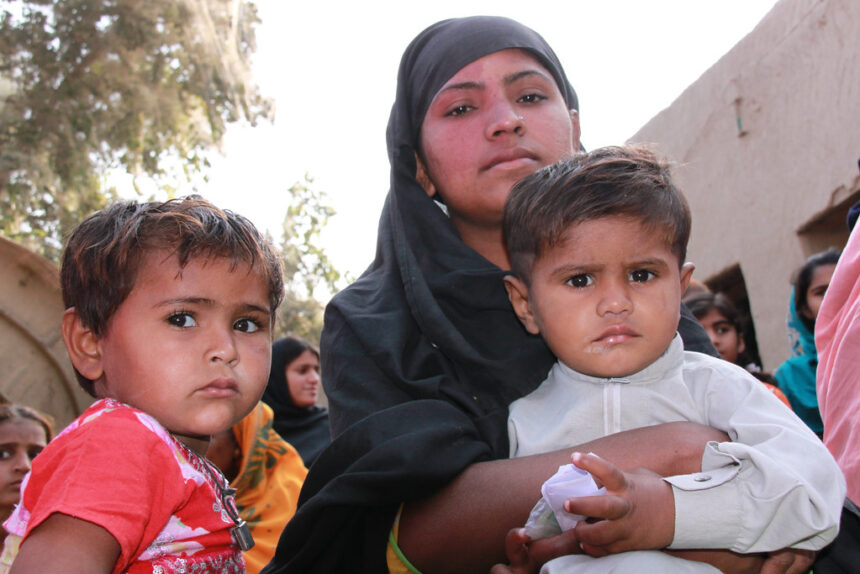
Infographic showing PEPFAR HIV treatment statistics and former CDC directors warningIllustrative image · "Access to healthcare after the floods" by DFID - UK Department for International Development is licensed under CC BY 2.0. To view a copy of this license, visit https://creativecommons.org/licenses/by/2.0/. (CC BY 2.0)
Eight former CDC directors warn against State Department plans to restructure PEPFAR, arguing the changes would dismantle decades of HIV prevention infrastructure. The program has saved 25 million lives since 2003. — "Access to healthcare after the floods" by DFID - UK Department for International Development is licensed under CC BY 2.0. To view a copy of this license, visit https://creativecommons.org/licenses/by/2.0/. (CC BY 2.0)
SHARE
3 min read|699 words

Eight former directors of the Centers for Disease Control and Prevention have issued a joint warning against a State Department plan that would fundamentally dismantle the President’s Emergency Plan for AIDS Relief (PEPFAR), scheduled for implementation on June 1, 2026.

Contents
      • Global HIV Treatment Access Under PEPFAR
  • Unprecedented Opposition from Public Health Leadership
  • Scientific Infrastructure at Risk
  • Global Health Security Implications
    • Key takeaways
  • Frequently asked questions
    • What is PEPFAR and why is it significant?
    • How would transferring PEPFAR to State Department control affect its operations?
    • What broader health security functions does PEPFAR serve beyond HIV prevention?
25 million
lives saved by PEPFAR since 2003, according to U.S. government estimates

Global HIV Treatment Access Under PEPFAR

Number of people receiving antiretroviral therapy, millions (2010-2024)

20.1m
people on
HIV treatment
5.4m
children receiving
prevention services
37.7m
people living
with HIV globally

5m 10m 15m 20m 2010 2015 2020 2024

Source: PEPFAR Annual Reports | Georgian Medical Journal News

Unprecedented Opposition from Public Health Leadership

The joint statement, published in STAT News, represents unprecedented unity among former CDC leadership spanning multiple decades of global health experience. The directors argue that transferring PEPFAR’s operational control from CDC to State Department management would undermine the program’s scientific foundation and implementation capacity.

Submit Your Paper
GMJ_Submit_Banner

According to the former directors, the proposed restructuring would remove decades of epidemiological expertise and field implementation knowledge that has made PEPFAR the world’s most successful bilateral HIV prevention program. The global health implications extend beyond HIV prevention to broader pandemic preparedness infrastructure.

🎙️ Related Podcast Episodes
🎧 #23 | WHO: Next-Generation Influenza Vaccines Could Save Millions of Lives · 18m
🎧 #17 | WHO: Global Population Requiring Trachoma Interventions Falls Below 100 Million · 16m
🎧 #9 Leprosy in 2026: Bridging Medical Cure and Social Inclusion – WHO World Leprosy Day Message · 18m
🎧 # 6 | WHO Influenza Vaccine Update 2026–2027 | GMJ Briefing · 19m

Scientific Infrastructure at Risk

PEPFAR currently operates in over 50 countries, providing not only HIV treatment and prevention services but also critical disease surveillance and laboratory capacity that supports broader global health security. The program’s integration with CDC’s global health infrastructure enables rapid response to emerging health threats beyond HIV.

The former directors emphasize that PEPFAR’s success stems from its evidence-based approach, rooted in epidemiological data and public health best practices developed over two decades. This scientific foundation has enabled the program to adapt its strategies based on real-world effectiveness data from partner countries.

Global Health Security Implications

Beyond HIV prevention, PEPFAR-supported infrastructure has proven critical during multiple health emergencies, including Ebola outbreaks and the COVID-19 pandemic. The program’s laboratory networks and surveillance systems in sub-Saharan Africa provide early warning capabilities for emerging infectious diseases.

The World Health Organization has recognized PEPFAR as essential infrastructure for achieving global HIV elimination targets by 2030. Disrupting this system could set back progress toward ending the HIV epidemic by years, according to global health experts.

Research published in peer-reviewed journals has consistently demonstrated PEPFAR’s cost-effectiveness compared to other global health interventions. The program’s focus on evidence-based policy implementation has made it a model for other disease-specific programs.

PEPFAR has saved an estimated 25 million lives and prevented millions of new HIV infections since its inception in 2003, making it one of the most successful global health programs in modern history.

— Eight Former CDC Directors, Joint Statement (STAT News, 2026)

Key takeaways

  • Eight former CDC directors unanimously oppose transferring PEPFAR operations to State Department control
  • The program has saved 25 million lives and provides HIV treatment to over 20 million people globally
  • PEPFAR’s infrastructure supports broader disease surveillance and pandemic preparedness beyond HIV
  • Implementation deadline of June 1, 2026 leaves limited time for congressional or administrative intervention

Frequently asked questions

What is PEPFAR and why is it significant?

The President’s Emergency Plan for AIDS Relief is a U.S. government program launched in 2003 that has become the world’s largest bilateral HIV prevention and treatment program. It currently provides antiretroviral therapy to over 20 million people and has saved an estimated 25 million lives globally.

How would transferring PEPFAR to State Department control affect its operations?

Former CDC directors warn that moving operational control from CDC to the State Department would remove crucial epidemiological expertise and scientific infrastructure. This could compromise the program’s evidence-based approach and field implementation capacity built over two decades.

What broader health security functions does PEPFAR serve beyond HIV prevention?

PEPFAR-supported laboratory networks and surveillance systems provide critical infrastructure for detecting and responding to emerging infectious diseases. This infrastructure has been essential during Ebola outbreaks and the COVID-19 pandemic, particularly in sub-Saharan Africa.

The unprecedented joint statement from former CDC directors underscores the critical juncture facing global HIV prevention efforts. With the June 1 implementation deadline approaching, the debate over PEPFAR’s future structure reflects broader questions about the role of scientific expertise in global health policy. The outcome will likely influence not only HIV prevention efforts but also America’s capacity to respond to future pandemic threats through established global health infrastructure.

Source: Opinion: 8 former CDC directors: Reform PEPFAR, don’t dismantle it

Was this article helpful?

Disclaimer. This article is health journalism intended for general information and education. It is not medical advice and is not a substitute for professional diagnosis or treatment. Always consult a qualified healthcare provider about your individual circumstances. Full disclaimer →

Related Coverage

Global Ministers Rally Behind Animal Health Funding as WOAH Warns of Critical Investment GapJul 7, 2026
Pharmaceutical companies exploit 'innovation' claims to extend drug monopolies, new analysis revealsJul 7, 2026
Acting NIAID Chief Steps Down as Lab Safety Concerns MountJul 7, 2026
Fatal Tapeworm Disease Spreads to Pacific Northwest Wild Animals for First TimeJul 7, 2026
PG
Written by
Prof. Giorgi Pkhakadze, MD, MPH, PhD
Editor-in-Chief, GMJ News
Full profile →  ·  ORCID 0000-0001-7609-4515
Medical disclaimer. This article is health journalism intended for general information. It is not medical advice and is not a substitute for consultation with a qualified healthcare professional. Always seek your physician's advice regarding any medical condition.
Medically reviewed by Prof. Giorgi Pkhakadze, MD, MPH, PhD. Spotted an error? Contact the editorial team.

Get the GMJ News digest
Evidence-based health journalism in your inbox. No spam; unsubscribe anytime.
TAGGED:CDCglobal-healthHIV preventionPEPFARState Department
Share This Article
Facebook LinkedIn Bluesky Copy Link Print
GMJ
ByGMJ Policy Desk
Follow:
GMJ Policy Desk is part of GMJ News, the newsroom of the Georgian Medical Journal (gmj.ge), published by the Public Health Institute of Georgia. Every article is editorially reviewed before publication.
Leave a Comment Leave a Comment

Leave a Reply Cancel reply

Your email address will not be published. Required fields are marked *

Submit Your Paper →

Georgia's peer-reviewed open-access medical journal. No APC until January 2027.
Submit Manuscript →
Global Ministers Rally Behind Animal Health Funding as WOAH Warns of Critical Investment Gap

Ministers from 45 countries unite behind urgent initiative to address $29.4 billion…

AI Drug Development Faces Reality Check as BigHat CEO Debunks Industry Hype

BigHat Biosciences CEO warns that misconceptions about AI capabilities threaten genuine progress…

Pharmaceutical companies exploit ‘innovation’ claims to extend drug monopolies, new analysis reveals

New analysis reveals how pharmaceutical companies exploit 'innovation' claims to extend drug…

Submit Your Paper to GMJ

No APC until January 2027.
Submit Manuscript →

You Might Also Like

Global Antimicrobial Resistance Investment Falls Short of UN Commitments

By
GMJ Policy Desk
28/05/2026
American Diabetes Association conference presentation on MAHA health strategyIllustrative image · "Diabetes Testing Strips" by bodytel is licensed under CC BY-ND 2.0. To view a copy of this license, visit https://creativecommons.org/licenses/by-nd/2.0/. (CC BY-ND 2.0)
Health PolicyPolicy & Systems

NIH Official Promotes MAHA Health Strategy at American Diabetes Conference

By
GMJ Policy Desk
16/06/2026
Infographic showing IOM's global governance structure and member country participationIllustrative image · Photo by Nothing Ahead on Pexels (Pexels License)
Global HealthPolicy & Systems

IOM Governance Structure Reinforces Global Migration Health Framework

By
GMJ Policy Desk
20/06/2026
WHO warning graphic showing nicotine pouch adoption rates across global regions, with red alert indicator
Global Health

WHO warns of nicotine pouch epidemic targeting youth as sales surge globally

By
GMJ Policy Desk
19/05/2026
Facebook Twitter Youtube Instagram
Company
  • Privacy Policy
  • Contact US
  • GMJ Journal
  • Submit Manuscript
  • Editorial Team
  • Register at GMJ
  • Terms of Use

Subscribe to GMJ News — Click here

Join Community
© 2026 Georgian Medical Journal (GMJ). Published by the Public Health Institute of Georgia (PHIG). All rights reserved.
Welcome Back!

Sign in to your account

Username or Email Address
Password

Lost your password?

Not a member? Sign Up