By using this site, you agree to the Privacy Policy and Terms of Use.
Accept
GMJ NewsGMJ NewsGMJ News
  • Latest News
    • GMJ Briefs
  • Podcast & Media
    • Podcast Episodes
    • GMJ Audio
    • GMJ Videos
  • Research Digest
    • New Studies
    • Georgian Research
    • Data & Numbers
  • Policy & Systems
    • Health Policy
    • Quality & Safety
    • Migration & Health
    • Global Health
  • Practice
    • Clinical Updates
    • Case Discussions
    • Pharmacy & Prescribing
    • Ingredients A-Z
  • Perspectives
    • Editorial
    • Explainers
    • Voices
    • Letters
  • GMJ Articles
    • Vol. 1 Issue 2 (2026)
    • Vol. 1 Issue 1 (2026)
    • Pre-Launch Articles (2025)
  • Read the Journal →
  • About GMJ News
Notification Show More
Font ResizerAa
GMJ NewsGMJ News
Font ResizerAa
  • Latest News
    • GMJ Briefs
  • Podcast & Media
    • Podcast Episodes
    • GMJ Audio
    • GMJ Videos
  • Research Digest
    • New Studies
    • Georgian Research
    • Data & Numbers
  • Policy & Systems
    • Health Policy
    • Quality & Safety
    • Migration & Health
    • Global Health
  • Practice
    • Clinical Updates
    • Case Discussions
    • Pharmacy & Prescribing
    • Ingredients A-Z
  • Perspectives
    • Editorial
    • Explainers
    • Voices
    • Letters
  • GMJ Articles
    • Vol. 1 Issue 2 (2026)
    • Vol. 1 Issue 1 (2026)
    • Pre-Launch Articles (2025)
  • Read the Journal →
  • About GMJ News
Follow US
GMJ News > Research Digest > New Studies > Air Pollution Accelerates Biological Aging, 39-Year Study Reveals
New Studies

Air Pollution Accelerates Biological Aging, 39-Year Study Reveals

GMJ
Last updated: 25/05/2026 16:54
By
GMJ Research Desk
Share
7 Min Read
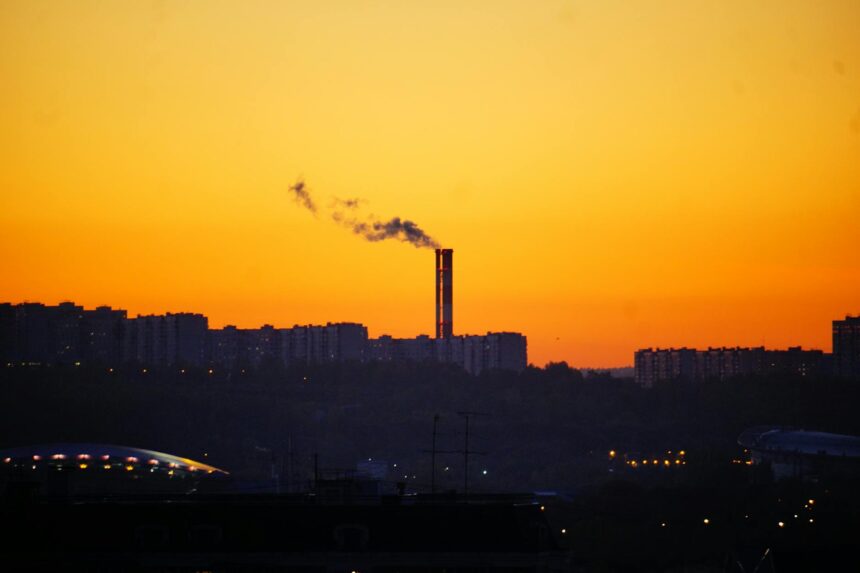
Scientific data visualization showing air pollution's impact on biological aging across European populations
A comprehensive 39-year study of over 338,000 Europeans reveals that air pollution accelerates biological aging at the cellular level. Up to 52.3% of pollution-related mortality risk operates through this aging pathway. — Photo: BREAKS OUT / Pexels
SHARE
🎧 Listen to this article6:17 min · 910 words · GMJ Audio

Updated 25/05/2026

Contents
      • Air Pollution’s Impact on Biological Aging Across European Cohorts
  • Largest Study to Track Pollution’s Aging Effects
  • Three Biological Clocks Reveal Accelerated Aging
  • Pollution Kills Through Aging Process
  • Global Health Implications Emerge
    • Key takeaways
  • Frequently asked questions
    • How does air pollution actually age the body faster?
    • Which type of air pollution causes the most aging damage?
    • Can the aging effects of air pollution be reversed?
4 min read|700 words

A comprehensive 39-year longitudinal study published in Mechanisms of Ageing and Development has revealed that air pollution doesn’t just kill people—it fundamentally accelerates the biological aging process. The research, combining data from over 338,000 European adults, demonstrates how breathing polluted air ages the body at the cellular level.

52.3%
of the pollution-mortality relationship mediated through accelerated biological aging (UK Biobank cohort)

Air Pollution’s Impact on Biological Aging Across European Cohorts

Percentage of pollution-health relationship mediated by accelerated aging, by pollutant type

PM2.5 Mortality
52.3%
NO2 Mortality
25.1%
PM10 Hospitalization
25.4%
PM2.5 Hospitalization

11.5%

Source: Mechanisms of Ageing and Development, 2024 | Georgian Medical Journal News

Submit Your Paper
GMJ_Submit_Banner

Largest Study to Track Pollution’s Aging Effects

Researchers pooled data from two major European cohorts to achieve unprecedented scale and follow-up duration. The UK Biobank contributed 309,467 adults aged 37 to 73, while the Netherlands’ Lifelines cohort added 29,146 adults aged 18 to 93, according to the study published in Mechanisms of Ageing and Development.

The team estimated each participant’s long-term residential exposure to three key pollutants: fine particles under 2.5 microns (PM2.5), coarser particles under 10 microns (PM10), and nitrogen dioxide (NO2). These measurements used land-use regression and dispersion models to capture exposure patterns. For more on emerging research findings, recent studies continue to reshape our understanding of environmental health risks.

🎙️ Related Podcast Episodes
🎧 #54 | GMJ Podcast | The Blueprint of a Medical Journal: Designing an Open-Access Scientific Platform · 19m
🎧 #53 | GMJ Podcast | Palliative Care in Georgia — Health System Gaps, Access Barriers, and Policy Implications · 16m
🎧 #35 | GMJ Podcast | Lung Adenocarcinoma and Tuberculous Lymphadenitis — Diagnostic Challenges in a Rare Case · 19m
🎧 #31 | GMJ Podcast | Daily Multivitamins and Biological Ageing — COSMOS Trial · 21m
🎧 #27 | WHO Calls for Environmentally Friendly and Less Invasive Oral Health Care · 21m

Three Biological Clocks Reveal Accelerated Aging

The research measured biological age using three independent composite measures built from blood biomarkers and clinical data. The Klemera-Doubal Method, PhenoAge, and the frailty index are validated tools used in longevity research, according to the study findings published in Mechanisms of Ageing and Development.

Higher exposure to air pollution was associated with accelerated biological aging across all three aging clocks, according to the study. This relationship remained consistent across both cohorts and all pollutant types examined. The data-driven approach allowed researchers to quantify how environmental factors translate into cellular damage.

Pollution Kills Through Aging Process

The study’s mediation analysis quantified how much of the pollution-to-death relationship runs through accelerated biological aging. In the UK Biobank, biological aging mediated between 11.5% and 25.4% of the pollution-hospitalization relationship, according to the study data.

For mortality outcomes, the mediation effect was more pronounced. Depending on the specific pollutant and aging clock used, biological aging accounted for between 11.5% and 52.3% of the pollution-mortality link in the UK Biobank cohort, according to the study findings.

Global Health Implications Emerge

The findings carry implications for public health policy and clinical practice. By demonstrating that air pollution accelerates biological aging, the research provides mechanistic evidence for the World Health Organization’s air quality guidelines.

The study suggests that biological age measurements could serve as indicators of pollution-related health damage. For healthcare systems managing aging populations, understanding these global health patterns becomes critical for resource planning and prevention strategies.

Higher exposure to air pollution was associated with accelerated biological aging across all three clocks, measurably and consistently across cohorts and pollutants.

— Study findings, Mechanisms of Ageing and Development (2024)

Key takeaways

  • Biological aging mediated up to 52.3% of the relationship between air pollution exposure and mortality risk in the UK Biobank cohort
  • Three independent aging clocks all showed consistent acceleration with increased pollution exposure
  • Fine particulate matter (PM2.5) demonstrated strong aging effects across both European cohorts studied
  • The research provides quantification of how environmental factors translate into cellular aging

Frequently asked questions

How does air pollution actually age the body faster?

The study measured biological aging through three validated biological aging clocks built from blood biomarkers and clinical data. The research found consistent associations between pollution exposure and accelerated aging across all three measurement tools.

Which type of air pollution causes the most aging damage?

Fine particulate matter under 2.5 microns (PM2.5) showed strong effects on biological aging and mediated the highest percentage of pollution-related mortality risk in the study. These particles can penetrate deep into lung tissue.

Can the aging effects of air pollution be reversed?

This study focused on long-term exposure effects and their relationship to biological aging markers. The research did not examine whether reducing pollution exposure could reverse aging effects.

As urban populations continue growing worldwide, this research underscores the need for air quality regulations and targeted interventions in high-pollution areas. The study’s methodology also opens avenues for using biological age markers to assess environmental health risks.

Source: A 39-year longitudinal study just published in Mechanisms of Ageing and Development

Was this article helpful?

Disclaimer. This article is health journalism intended for general information and education. It is not medical advice and is not a substitute for professional diagnosis or treatment. Always consult a qualified healthcare provider about your individual circumstances. Full disclaimer →

Related Coverage

Eight Common Food Additives Linked to Hypertension and Cardiovascular Disease in Large Cohort StudyJul 13, 2026
Hospital Videos Improve New Fathers' Infant Safety Knowledge, Pilot Study ShowsJul 12, 2026
Combination Immunotherapy Shows Promise in Bladder Cancer Surgery: New NEJM EvidenceJul 12, 2026
Whole Blood for Severe Trauma: New Evidence Supports Earlier Use in Emergency CareJul 12, 2026
Related reference
  • Iron · Ingredient
PG
Written by
Prof. Giorgi Pkhakadze, MD, MPH, PhD
Editor-in-Chief, GMJ News
Full profile →  ·  ORCID 0000-0001-7609-4515
Medical disclaimer. This article is health journalism intended for general information. It is not medical advice and is not a substitute for consultation with a qualified healthcare professional. Always seek your physician's advice regarding any medical condition.
Medically reviewed by Prof. Giorgi Pkhakadze, MD, MPH, PhD. Spotted an error? Contact the editorial team.

Get the GMJ News digest
Evidence-based health journalism in your inbox. No spam; unsubscribe anytime.
TAGGED:air pollutionbiological agingenvironmental healthlongitudinal studymortality risk
Share This Article
Facebook LinkedIn Bluesky Copy Link Print
GMJ
ByGMJ Research Desk
Follow:
GMJ Research Desk is part of GMJ News, the newsroom of the Georgian Medical Journal (gmj.ge), published by the Public Health Institute of Georgia. Every article is editorially reviewed before publication.
Leave a Comment Leave a Comment

Leave a Reply Cancel reply

Your email address will not be published. Required fields are marked *

Submit Your Paper →

Georgia's peer-reviewed open-access medical journal. No APC until January 2027.
Submit Manuscript →
Eight Common Food Additives Linked to Hypertension and Cardiovascular Disease in Large Cohort Study

A prospective cohort study of more than 112,000 participants identified eight common…

Hospital Videos Improve New Fathers’ Infant Safety Knowledge, Pilot Study Shows

A pilot study published in Pediatrics Open Science demonstrates that brief educational…

Fermentation and Sustainable Gastronomy: How Chefs are Reshaping Food’s Future

Chef Jaume Biarnés demonstrates that sustainable food systems can deliver both environmental…

Submit Your Paper to GMJ

No APC until January 2027.
Submit Manuscript →

You Might Also Like

Scientific diagram showing MTHFR enzyme pathway and riboflavin cofactor requirement
New Studies

MTHFR Gene Variants Respond Better to Riboflavin Than Folate for Blood Pressure Control

By
GMJ Research Desk
21/05/2026
Elderly person holding glucosamine supplement bottle with concerned expressionIllustrative image · Photo by Robina Weermeijer on Unsplash (Unsplash License)
New StudiesResearch Digest

Glucosamine Supplements May Accelerate Memory Loss in Alzheimer’s Disease, New Research Warns

By
GMJ Research Desk
06/07/2026
Scientific illustration of heart rhythm monitoring related to e-cigarette researchIllustrative image · "Heart Monitor" by medipics1066 is marked with Public Domain Mark 1.0. To view the terms, visit https://creativecommons.org/publicdomain/mark/1.0/. (Public Domain Mark)
New StudiesResearch Digest

E-cigarette cooling ingredients linked to heart rhythm disorders in lab study

By
GMJ Research Desk
30/06/2026
Medical researchers discussing stroke trial methodology and neuroprotection challengesIllustrative image · Photo by Thirdman on Pexels (Pexels License)
Clinical UpdatesNew StudiesPracticeResearch Digest

Minocycline Stroke Trial Debate Highlights Neuroprotection Research Challenges

By
GMJ Practice Desk
05/07/2026
Facebook Twitter Youtube Instagram
Company
  • Privacy Policy
  • Contact US
  • GMJ Journal
  • Submit Manuscript
  • Editorial Team
  • Register at GMJ
  • Terms of Use

Subscribe to GMJ News — Click here

Join Community
© 2026 Georgian Medical Journal (GMJ). Published by the Public Health Institute of Georgia (PHIG). All rights reserved.
Welcome Back!

Sign in to your account

Username or Email Address
Password

Lost your password?

Not a member? Sign Up