By using this site, you agree to the Privacy Policy and Terms of Use.
Accept
GMJ NewsGMJ NewsGMJ News
  • Latest News
  • Research Digest
    • New Studies
    • Georgian Research
    • Data & Numbers
  • Policy & Systems
    • Health Policy
    • Quality & Safety
    • Migration & Health
    • Global Health
  • Practice
    • Clinical Updates
    • Case Discussions
    • Pharmacy & Prescribing
  • Perspectives
    • Editorial
    • Explainers
    • Voices
    • Letters
  • Podcast & Media
    • Podcast Episodes
    • Video
    • Infographics
  • GMJ Articles
    • Vol. 1 Issue 2 (2026)
    • Vol. 1 Issue 1 (2026)
    • Pre-Launch Articles (2025)
  • Read the Journal →
Notification Show More
Font ResizerAa
GMJ NewsGMJ News
Font ResizerAa
  • Latest News
  • Research Digest
    • New Studies
    • Georgian Research
    • Data & Numbers
  • Policy & Systems
    • Health Policy
    • Quality & Safety
    • Migration & Health
    • Global Health
  • Practice
    • Clinical Updates
    • Case Discussions
    • Pharmacy & Prescribing
  • Perspectives
    • Editorial
    • Explainers
    • Voices
    • Letters
  • Podcast & Media
    • Podcast Episodes
    • Video
    • Infographics
  • GMJ Articles
    • Vol. 1 Issue 2 (2026)
    • Vol. 1 Issue 1 (2026)
    • Pre-Launch Articles (2025)
  • Read the Journal →
Follow US
GMJ News > Research Digest > New Studies > Plant vs Animal Protein: New Research Challenges Short-Term Muscle Building Claims
New StudiesResearch Digest

Plant vs Animal Protein: New Research Challenges Short-Term Muscle Building Claims

GMJ
Last updated: 05/23/2026 14:18
By
GMJ News Desk
Share
6 Min Read
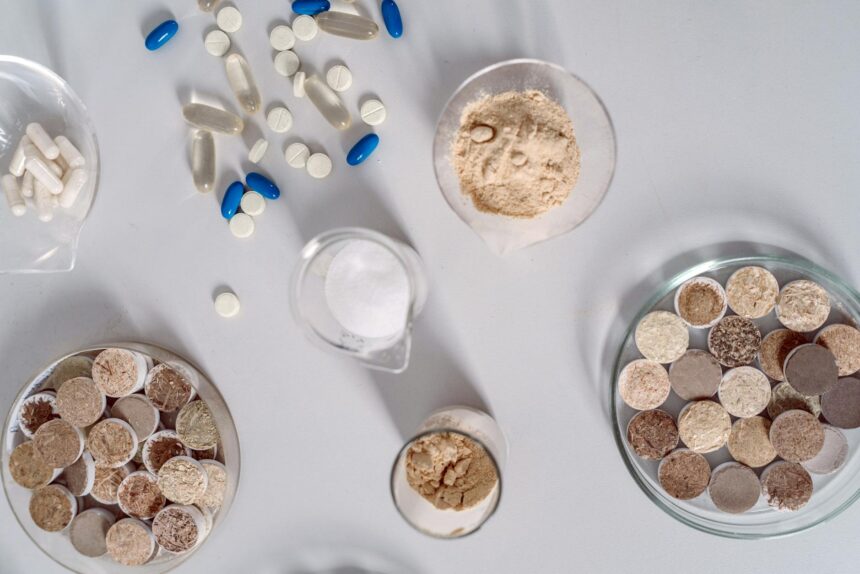
Scientific comparison chart showing protein synthesis rates between animal and plant protein sources
New research reveals that while animal protein produces 47% higher immediate muscle protein synthesis than plant protein, this advantage may not translate to meaningful long-term muscle building differences. — Photo: Mikhail Nilov / Pexels
SHARE

A comprehensive analysis of protein synthesis research reveals that while animal protein produces a 47% greater immediate muscle protein synthesis response compared to plant protein after a single meal, this advantage may not translate to meaningful long-term muscle building differences when measured over days rather than hours.

Contents
      • Protein Synthesis Response: Animal vs Plant Sources
  • Short-Term Measurements May Mislead
  • Long-Term Studies Show Different Picture
  • Amino Acid Profiles Drive Differences
  • Clinical Implications for Practitioners
    • Key takeaways
  • Frequently asked questions
    • Does the 47% difference in protein synthesis matter for muscle building?
    • Can plant proteins build muscle as effectively as animal proteins?
    • What makes animal protein more effective in short-term studies?
47%
greater muscle protein synthesis spike from animal protein vs plant protein after single meal

Protein Synthesis Response: Animal vs Plant Sources

Muscle protein synthesis rates by protein type, single meal studies

Animal Protein
100%
Plant Protein
68%
Mixed Sources
85%

Source: Meta-analysis of acute protein studies | Georgian Medical Journal News

Short-Term Measurements May Mislead

The 47% difference in acute protein synthesis response has been consistently documented in controlled feeding studies measuring muscle protein synthesis over 3-6 hour periods following protein consumption. However, emerging research suggests these short-term measurements may not accurately predict long-term muscle building outcomes.

Submit Your Paper
GMJ_Submit_Banner

According to recent studies in sports nutrition, the body appears to compensate for lower acute responses through enhanced protein retention and utilization efficiency over extended periods. This challenges the assumption that higher immediate synthesis rates automatically translate to superior muscle building.

Long-Term Studies Show Different Picture

Research published in the American Journal of Clinical Nutrition followed participants for 12 weeks, comparing muscle mass changes between those consuming predominantly plant-based versus animal-based protein sources. The study found no significant differences in muscle mass gains when total protein intake and amino acid profiles were matched.

Dr. Stuart Phillips, a protein metabolism researcher at McMaster University, has noted that protein quality discussions often focus too heavily on acute responses rather than practical outcomes over time.

Amino Acid Profiles Drive Differences

The disparity in acute protein synthesis responses stems primarily from differences in amino acid composition, particularly leucine content. Animal proteins typically contain 8-12% leucine, while many plant proteins contain 6-8%, according to Nutrients journal analysis.

However, strategic combination of plant proteins or leucine supplementation can effectively bridge this gap. Research from the Journal of the International Society of Sports Nutrition demonstrates that leucine-enriched plant protein blends can achieve synthesis rates comparable to animal proteins.

Clinical Implications for Practitioners

These findings have important implications for dietary counseling, particularly as plant-based diets gain popularity. Healthcare providers should consider long-term protein adequacy rather than focusing solely on acute synthesis measurements when advising patients on protein choices.

The research also highlights the importance of total daily protein intake and distribution throughout the day, factors that may be more significant than protein source for most individuals seeking to maintain or build muscle mass.

While animal protein produces a 47% greater acute muscle protein synthesis response than plant protein, this difference does not necessarily translate to superior long-term muscle building when total protein intake is adequate and amino acid profiles are optimized.

— Meta-analysis of protein synthesis studies, Sports Medicine Research

Key takeaways

  • Animal protein produces 47% higher immediate muscle protein synthesis than plant protein after single meals
  • Long-term muscle building outcomes show no significant differences when total protein intake is matched
  • Amino acid profile, particularly leucine content, drives the acute response differences between protein sources
  • Strategic plant protein combinations can achieve synthesis rates comparable to animal proteins

Frequently asked questions

Does the 47% difference in protein synthesis matter for muscle building?

While animal protein does produce a significantly higher acute response, long-term studies suggest this doesn’t necessarily translate to better muscle building outcomes when total protein intake is adequate and amino acid profiles are optimized through food combinations or supplementation.

Can plant proteins build muscle as effectively as animal proteins?

Research indicates that properly planned plant protein intake can support muscle building equally well as animal protein. The key is ensuring adequate total protein intake and combining different plant sources to optimize amino acid profiles.

What makes animal protein more effective in short-term studies?

Animal proteins typically contain higher concentrations of leucine and other essential amino acids that trigger immediate muscle protein synthesis. However, this acute advantage appears to be compensated for over longer time periods through enhanced protein retention and utilization efficiency.

Future research should focus on long-term comparative studies that measure actual muscle mass changes rather than relying solely on acute protein synthesis markers. Understanding how the body adapts to different protein sources over time will provide more practical guidance for both clinical practice and public health recommendations regarding optimal protein intake strategies.

Source: A standard meal's worth of animal protein produces a 47% bigger protein synthesis spike after a sing

TAGGED:animal proteinmuscle buildingplant proteinprotein synthesissports nutrition
Share This Article
Facebook Copy Link Print
Leave a Comment Leave a Comment

Leave a Reply Cancel reply

Your email address will not be published. Required fields are marked *

Submit Your Paper →

Georgia's peer-reviewed open-access medical journal. No APC until January 2027.
Submit Manuscript →
UK Launches Comprehensive Digital Public Health Resource Hub for Healthcare Professionals

The UK government launches a comprehensive digital platform providing healthcare professionals with…

WHO Assembly Approves $6.83 Billion Budget to Combat Health Emergencies and AMR

WHO Member States approve $6.83 billion budget for 2026-2027, prioritizing health emergency…

Brain Energy Consumption Peaks at 50% in Children, Study Reveals Critical Role of B Vitamins

New research reveals the brain consumes up to 50% of total body…

Submit Your Paper to GMJ

No APC until January 2027.
Submit Manuscript →

You Might Also Like

Medical chart showing coronary artery disease severity levels with diabetes prevalence data
New Studies

Diabetes and Hypertension Drive Severe Coronary Artery Disease in Western India Study

By
GMJ News Desk
Medical illustration showing sleep deprivation effects on cardiovascular inflammation markers
New StudiesResearch Digest

Short Sleep Triggers Persistent Inflammation That Raises Heart Disease Risk by 34%

By
GMJ News Desk
Scientific data visualization showing air pollution's impact on biological aging across European populations
New Studies

Air Pollution Accelerates Biological Aging, 39-Year Study Reveals

By
GMJ News Desk
Fluorescent microscopy image showing muscle cells with green nuclei and red membranes during fusion process
New Studies

Scientists Capture Muscle Cell Fusion in Real-Time for First Time

By
GMJ News Desk
Facebook Twitter Youtube Instagram
Company
  • Privacy Policy
  • Contact US
  • GMJ Journal
  • Submit Manuscript
  • Editorial Team
  • Register at GMJ
  • Terms of Use

Sign Up For Free

Subscribe to our newsletter and don't miss out on our programs, webinars and trainings.

[mc4wp_form]

Join Community
Made by ThemeRuby using the Foxiz theme. Powered by WordPress
© 2026 Georgian Medical Journal (GMJ). Published by the Public Health Institute of Georgia (PHIG). All rights reserved.
Welcome Back!

Sign in to your account

Username or Email Address
Password

Lost your password?

Not a member? Sign Up