Updated 13/09/2026
Advanced intelligence/" class="gmj-dict-autolink" title="Dictionary: Artificial Intelligence">artificial intelligence analysis is overturning decades of medical orthodoxy about the thymus gland, revealing its continued importance throughout adult life rather than merely during childhood development. Recent research published in The Lancet demonstrates that this small organ, previously dismissed as vestigial after adolescence, maintains critical functions that significantly impact health outcomes across the human lifespan.
Thymus Research Evolution
Key discoveries challenging traditional understanding, 2020-2026
as vestigial
challenge dogma
lifespan role
Source: The Lancet, 2026 | Georgian Medical Journal News

Challenging Medical Dogma Through Surgery Data
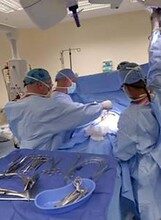
The transformation in thymus understanding began when researchers identified that removal of the thymus during thoracic surgery was linked to poor outcomes, according to The Lancet research. This finding directly contradicted the established medical teaching that the thymus becomes irrelevant after adolescence.
The organ, located behind the breastbone, was traditionally viewed as important only for T-cell education during childhood development, with its apparent involution into fatty tissue marking the end of its useful function. The surgical data suggested that even the adult thymus, despite its changed appearance, continued to play a vital role in immune function and overall health maintenance.
These observations prompted researchers to investigate further using advanced analytical techniques, particularly focusing on new studies employing artificial intelligence methodologies.
AI Unlocks Hidden Thymus Functions
Artificial intelligence has emerged as the key tool enabling researchers to decode the thymus’s complex adult functions, as reported in The Lancet. Machine learning algorithms can now analyze vast datasets of medical imaging, patient outcomes, and molecular markers to identify patterns invisible to traditional analytical methods.
The AI-driven analysis has revealed that the thymus doesn’t simply disappear after puberty but transforms its function while maintaining critical immune system support. These computational approaches have identified specific biomarkers and cellular activities that persist throughout adult life, fundamentally changing how scientists understand immune aging.
Advanced imaging techniques powered by artificial intelligence can now distinguish between truly inactive thymic tissue and areas that remain metabolically active despite appearing fatty on conventional scans. This technological breakthrough has opened new avenues for clinical research into age-related immune dysfunction.
Implications for Immune System Understanding
The revelation of the thymus’s continued adult relevance has profound implications for understanding immune system aging and disease susceptibility. The Lancet research suggests that maintaining thymic function throughout life may be crucial for preventing age-related immune decline and autoimmune disorders.
These findings challenge current approaches to thoracic surgery, where thymus removal has been considered a minor consequence of accessing other chest structures. Surgeons may now need to weigh the long-term immune consequences against the immediate surgical benefits when planning procedures that affect the thymus.
The research also opens new therapeutic possibilities for age-related immune dysfunction. Understanding how the adult thymus contributes to immune homeostasis could lead to interventions that preserve or enhance its function, potentially improving outcomes for elderly patients and those with compromised immune systems.
Future Research Directions
The integration of artificial intelligence with clinical practice is expected to enable personalized assessment of thymic function, allowing doctors to tailor treatments based on individual immune profiles. This precision medicine approach could revolutionize how age-related immune decline is prevented and treated across diverse patient populations.
AI-enabled analysis reveals the thymus maintains critical immune functions throughout adult life, contradicting decades of medical teaching about its post-adolescent irrelevance.
— The Lancet (2026)
Key takeaways
- Thymus removal during surgery linked to poorer long-term health outcomes
- AI analysis reveals continued immune function throughout adult life
- Findings challenge surgical practices and open new therapeutic possibilities
Frequently asked questions
Why was the thymus previously considered unimportant in adults?
The thymus physically shrinks and appears to turn into fatty tissue after puberty, leading scientists to assume it became non-functional. This visible involution masked its continued metabolic and immune activities that can now be detected through AI-powered analysis.
How does artificial intelligence help study the thymus?
AI can analyze complex patterns in medical imaging, patient data, and molecular markers that human researchers might miss. These algorithms identify subtle signs of continued thymic activity and correlate them with health outcomes across large patient populations.
What does this mean for surgical procedures?
Surgeons may need to reconsider procedures that involve thymus removal, weighing immediate surgical benefits against potential long-term immune consequences. This could lead to modified surgical techniques that preserve thymic tissue when possible.
The convergence of artificial intelligence and immunology research continues to reshape fundamental understanding of human biology. As these computational tools become more sophisticated, they promise to reveal additional hidden functions of organs previously considered well-understood, potentially transforming medical practice and patient care across multiple specialties.
Source: [Perspectives] Digitising the thymus
{“@context”:”https://schema.org”,”@type”:”FAQPage”,”mainEntity”:[{“@type”:”Question”,”name”:”Why was the thymus previously considered unimportant in adults?”,”acceptedAnswer”:{“@type”:”Answer”,”text”:”The thymus physically shrinks and appears to turn into fatty tissue after puberty, leading scientists to assume it became non-functional. This visible involution masked its continued metabolic and immune activities that can now be detected through AI-powered analysis.”}},{“@type”:”Question”,”name”:”How does artificial intelligence help study the thymus?”,”acceptedAnswer”:{“@type”:”Answer”,”text”:”AI can analyze complex patterns in medical imaging, patient data, and molecular markers that human researchers might miss. These algorithms identify subtle signs of continued thymic activity and correlate them with health outcomes across large patient populations.”}},{“@type”:”Question”,”name”:”What does this mean for surgical procedures?”,”acceptedAnswer”:{“@type”:”Answer”,”text”:”Surgeons may need to reconsider procedures that involve thymus removal, weighing immediate surgical benefits against potential long-term immune consequences. This could lead to modified surgical techniques that preserve thymic tissue when possible.”}}]}
🗺️ Find certified Georgian healthcare providers: sheniekimi.ge — Georgia Health Map · 998 clinics · 6,600+ doctors · 2,296 pharmacies
Was this article helpful?
Disclaimer. This article is health journalism intended for general information and education. It is not medical advice and is not a substitute for professional diagnosis or treatment. Always consult a qualified healthcare provider about your individual circumstances. Full disclaimer →
Related Coverage




Editorial standards. This article was produced under the GMJ News editorial process, with oversight by the GMJ Editorial Board. Our editorial process. Spotted an error? Contact the editorial team.