Updated 25/05/2026
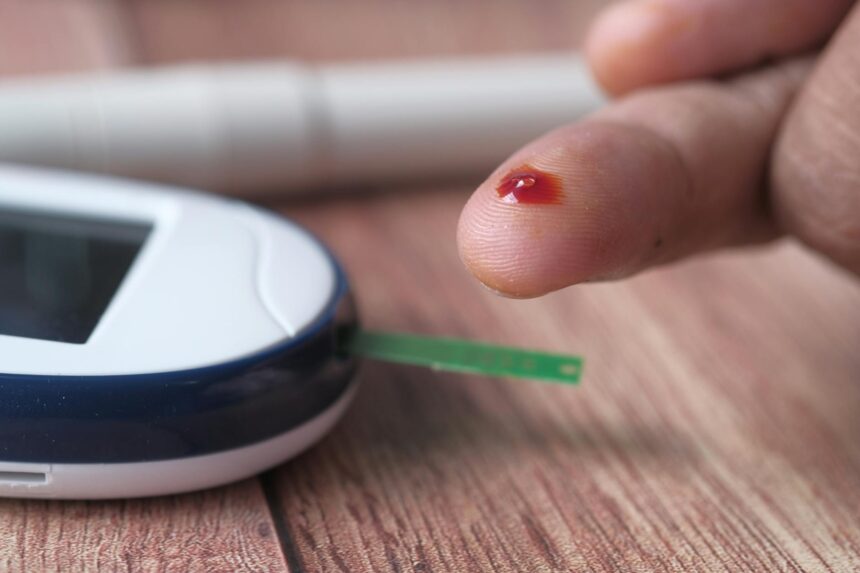
The U.S. Food and Drug Administration (FDA) has issued a safety communication regarding potential risks associated with TRUE METRIX blood glucose monitoring systems manufactured by Trividia Health, warning users of the possibility of inaccurate glucose readings that could lead to incorrect treatment decisions.
What the FDA Found
According to the FDA’s formal safety communication, TRUE METRIX blood glucose monitoring systems may produce readings that do not accurately reflect a patient’s actual blood glucose level. This malfunction poses a serious clinical risk, as patients with diabetes rely on accurate glucose data to guide insulin dosing, meal timing, and other critical self-management decisions.
The agency emphasized that inaccurate glucose readings—whether falsely elevated or dangerously low—could lead users to take inappropriate corrective actions, potentially resulting in hyperglycaemia (dangerously high blood sugar) or hypoglycaemia (dangerously low blood sugar), both of which require urgent medical intervention.

Clinical Implications and Patient Safety Concerns
Patients who depend on blood glucose monitors to manage type 1 or type 2 diabetes face heightened risk if their device provides unreliable readings. False low readings are particularly dangerous, as they may delay recognition of hypoglycaemia—a condition that can cause seizures, loss of consciousness, and death if untreated. Conversely, persistently false high readings may cause unnecessary insulin administration and inappropriate dietary changes.
The Centers for Disease Control and Prevention (CDC) estimates that approximately 37.3 million Americans have diabetes, with many relying on home glucose monitoring systems as their primary tool for daily disease management. A defective monitoring device therefore affects a substantial population dependent on accurate real-time glucose data.
FDA Recommendations and Next Steps
The FDA has advised users currently relying on TRUE METRIX systems to consult with their healthcare provider about alternative monitoring devices and to verify glucose readings using an independent method before making treatment decisions. Healthcare providers should counsel patients on this risk and consider transitioning them to alternative, validated glucose monitoring systems.
Trividia Health has been directed by the FDA to take corrective action. Patients who have experienced unexplained hypoglycaemic or hyperglycaemic episodes while using TRUE METRIX systems are encouraged to report this information to the FDA MedWatch program, which collects adverse event reports on medical devices.
TRUE METRIX blood glucose monitoring systems may report glucose values that do not reflect actual blood glucose levels, requiring immediate consultation with healthcare providers and consideration of alternative devices.
— U.S. Food and Drug Administration, Medical Device Safety Communications (2024)
Key takeaways
- TRUE METRIX blood glucose monitors manufactured by Trividia Health may produce inaccurate readings that could lead to incorrect treatment decisions
- False low readings carry immediate hypoglycaemia risk; false high readings may cause unnecessary insulin dosing and dietary changes
- Patients using these devices should consult their healthcare provider about alternative monitoring systems and verify readings using independent methods
- The FDA has directed Trividia Health to take corrective action; users are encouraged to report adverse events through MedWatch
Frequently asked questions
What should I do if I currently use a TRUE METRIX blood glucose monitor?
Contact your healthcare provider immediately to discuss the risk and explore alternative glucose monitoring devices. Until you transition to another system, verify all glucose readings using an independent method—such as a lab test or an alternative meter—before making any treatment decisions based on the reading.
How can I tell if my TRUE METRIX device is giving me inaccurate readings?
Inaccurate readings may be difficult to detect without comparison to other methods. Warning signs include unexplained episodes of hypoglycaemia or hyperglycaemia, glucose readings that seem inconsistent with your symptoms, or sudden changes in your glucose pattern without explanation. If you notice any of these patterns, contact your provider and ask for a confirmatory test.
Is the TRUE METRIX system being recalled?
The FDA has issued a safety communication but has not announced a formal recall as of this alert. However, the agency has directed Trividia Health to take corrective measures. Check the FDA safety communications page and contact your device manufacturer for the latest updates on product status and any potential recalls or device modifications.
Patients and healthcare providers should remain vigilant for updates from the FDA regarding TRUE METRIX devices, as the agency may issue additional guidance or a formal recall if further safety data emerges. Meanwhile, switching to alternative, clinically validated blood glucose monitoring systems—combined with periodic confirmation testing—represents the safest approach for diabetes management during this alert period.
Read more on pharmacy and prescribing safety and quality and patient safety issues at Georgian Medical Journal News.
Was this article helpful?
Disclaimer. This article is health journalism intended for general information and education. It is not medical advice and is not a substitute for professional diagnosis or treatment. Always consult a qualified healthcare provider about your individual circumstances. Full disclaimer →
Related Coverage




Editorial standards. This article was produced under the GMJ News editorial process, with oversight by the GMJ Editorial Board. Our editorial process. Spotted an error? Contact the editorial team.