Updated 13/09/2026
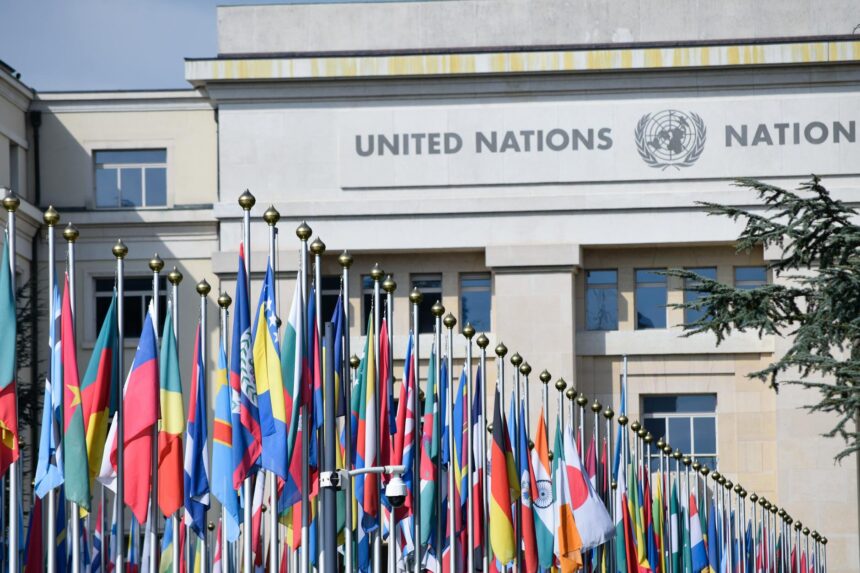
The Seventy-ninth session of the World Health Assembly (WHA79) opened in Geneva on 18 May 2026, bringing together health ministers and delegates from WHO member states to address global health challenges. Dr Víctor Elías Atallah Lajam of the Dominican Republic was elected President of the Assembly, according to the WHO announcement.
WHA79 Leadership and Regional Representation
Elected officials representing six continents, May 2026
Source: World Health Organization, May 2026 | Georgian Medical Journal News

Leadership elected for 79th global health assembly
According to the WHO official announcement, the elected Vice-Presidents are Dr Mohamed Ali Al-Ghouj of Libya, Dr Assa Badiallo Touré of Mali, Mrs Katarzyna Drążek-Laskowska of Poland, Mrs Neesha Mehta of Nepal, and Mr Elias Kapavore of Papua New Guinea.
Dr Timur Sultangaziyev of Kazakhstan and Dr Kwabena Mintah Akandoh of Ghana were elected as Chairs of Committee A and Committee B, respectively, according to WHO.
High-level addresses from world leaders
During the high-level welcome, H.E. Elisabeth Baume‑Schneider, Federal Councillor of the Swiss Confederation, addressed the Health Assembly on behalf of the host country, followed by remarks from H.E. John Dramani Mahama, President of Ghana and Special Guest of Honour, according to WHO.
Delegates also heard video messages from H.E. António Guterres, United Nations Secretary‑General, H.E. Ahmad Al Sharaa, President of the Syrian Arab Republic, and H.E. Mia Mottley, Prime Minister of Barbados, the WHO announcement states.
WHO Director-General presents Global Health Awards
Dr Tedros Adhanom Ghebreyesus, WHO Director-General, addressed the Assembly and presented the Awards for Global Health to Dr Tore Godal, Dr Merceline Dahl-Regis, Dr Mike Ryan and Dr Heba El Sewedy, recognizing their lifetime achievements and exceptional contributions to improving the health and well-being of communities worldwide, according to WHO.
Spanish Prime Minister addresses Assembly
H.E. Pedro Sanchez, Prime Minister of Spain, addressed the Assembly at the conclusion of the afternoon session in the Plenary, the WHO announcement confirms.
The Seventy-ninth World Health Assembly opened with Dr Víctor Elías Atallah Lajam of the Dominican Republic elected as President, with Vice-Presidents and committee chairs representing multiple regions worldwide.
— World Health Organization, May 2026
Key takeaways
- WHA79 elected Dr Víctor Elías Atallah Lajam of the Dominican Republic as President, with five Vice-Presidents from Africa, Europe, Asia-Pacific regions
- Four global health leaders received WHO Awards for Global Health recognizing their lifetime achievements
- High-level speakers included heads of state from Ghana and Spain, plus video messages from UN Secretary-General and other world leaders
Frequently asked questions
What is the World Health Assembly and why does it matter?
The World Health Assembly is the decision-making body of the World Health Organization, comprising representatives from WHO member states. It meets annually to set health priorities, approve budgets, and establish policy frameworks.
Who was elected to lead WHA79?
Dr Víctor Elías Atallah Lajam of the Dominican Republic was elected President, with five Vice-Presidents and two committee chairs elected to guide proceedings, according to the WHO announcement.
Who received the WHO Global Health Awards?
The 2026 recipients were Dr Tore Godal, Dr Merceline Dahl-Regis, Dr Mike Ryan, and Dr Heba El Sewedy, recognized for their lifetime achievements and exceptional contributions to improving health and well-being worldwide.
Source: World Health Assembly opens in Geneva, Switzerland
{“@context”:”https://schema.org”,”@type”:”FAQPage”,”mainEntity”:[{“@type”:”Question”,”name”:”What is the World Health Assembly and why does it matter?”,”acceptedAnswer”:{“@type”:”Answer”,”text”:”The World Health Assembly is the decision-making body of the World Health Organization, comprising representatives from WHO member states. It meets annually to set health priorities, approve budgets, and establish policy frameworks.”}},{“@type”:”Question”,”name”:”Who was elected to lead WHA79?”,”acceptedAnswer”:{“@type”:”Answer”,”text”:”Dr Víctor Elías Atallah Lajam of the Dominican Republic was elected President, with five Vice-Presidents and two committee chairs elected to guide proceedings, according to the WHO announcement.”}},{“@type”:”Question”,”name”:”Who received the WHO Global Health Awards?”,”acceptedAnswer”:{“@type”:”Answer”,”text”:”The 2026 recipients were Dr Tore Godal, Dr Merceline Dahl-Regis, Dr Mike Ryan, and Dr Heba El Sewedy, recognized for their lifetime achievements and exceptional contributions to improving health and well-being worldwide.”}}]}
🗺️ Find certified Georgian healthcare providers: sheniekimi.ge — Georgia Health Map · 998 clinics · 6,600+ doctors · 2,296 pharmacies
Was this article helpful?
Disclaimer. This article is health journalism intended for general information and education. It is not medical advice and is not a substitute for professional diagnosis or treatment. Always consult a qualified healthcare provider about your individual circumstances. Full disclaimer →
Related Coverage



Editorial standards. This article was produced under the GMJ News editorial process, with oversight by the GMJ Editorial Board. Our editorial process. Spotted an error? Contact the editorial team.