By using this site, you agree to the Privacy Policy and Terms of Use.
Accept
GMJ NewsGMJ NewsGMJ News
  • Latest News
    • GMJ Briefs
  • Podcast & Media
    • Podcast Episodes
    • GMJ Audio
    • GMJ Videos
  • Research Digest
    • New Studies
    • Georgian Research
    • Data & Numbers
  • Policy & Systems
    • Health Policy
    • Quality & Safety
    • Migration & Health
    • Global Health
  • Practice
    • Clinical Updates
    • Case Discussions
    • Pharmacy & Prescribing
    • Ingredients A-Z
  • Perspectives
    • Editorial
    • Explainers
    • Voices
    • Letters
  • Health Topics
  • GMJ Articles
    • Vol. 1 Issue 2 (2026)
    • Vol. 1 Issue 1 (2026)
    • Pre-Launch Articles (2025)
  • Read the Journal →
  • About GMJ News
Notification Show More
Font ResizerAa
GMJ NewsGMJ News
Font ResizerAa
  • Latest News
    • GMJ Briefs
  • Podcast & Media
    • Podcast Episodes
    • GMJ Audio
    • GMJ Videos
  • Research Digest
    • New Studies
    • Georgian Research
    • Data & Numbers
  • Policy & Systems
    • Health Policy
    • Quality & Safety
    • Migration & Health
    • Global Health
  • Practice
    • Clinical Updates
    • Case Discussions
    • Pharmacy & Prescribing
    • Ingredients A-Z
  • Perspectives
    • Editorial
    • Explainers
    • Voices
    • Letters
  • Health Topics
  • GMJ Articles
    • Vol. 1 Issue 2 (2026)
    • Vol. 1 Issue 1 (2026)
    • Pre-Launch Articles (2025)
  • Read the Journal →
  • About GMJ News
Follow US
GMJ News > Policy & Systems > Global Health > WHO launches action plan to combat rising fungal disease burden and antifungal resistance
Global HealthHealth PolicyPolicy & Systems

WHO launches action plan to combat rising fungal disease burden and antifungal resistance

GMJ
Last updated: 12/07/2026 13:29
By
GMJ Policy Desk
Share
8 Min Read
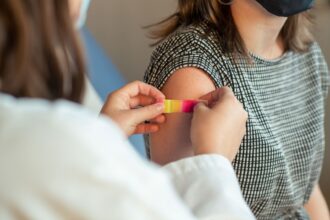
WHO headquarters with fungal disease surveillance and laboratory capacity iconsIllustrative image · Photo by Monstera Production on Pexels (Pexels License)
The World Health Organization has released strategic guidance to help countries address fungal disease and antifungal resistance, two major health threats that remain absent from most national health plans. The action plan emphasises surveillance, laboratory capacity-building, and integration into existing antimicrobial resistance frameworks. — Photo by Monstera Production on Pexels (Pexels License)
SHARE
5 min read|1,043 words
✓ Reviewed by GMJ News Editorial Team

The World Health Organization has released new strategic guidance designed to help countries develop and implement national responses to fungal disease and antifungal resistance, addressing what the organisation describes as one of the most neglected yet significant global health challenges. Despite the scale of the threat, fungal infections remain largely absent from most national health plans, according to WHO’s assessment.

Contents
    • Key takeaways
      • Fungal disease burden: key gaps in global response
  • A neglected threat gaining urgency
  • Key components of the new WHO guidance
  • Antifungal resistance: the emerging crisis
  • Implementation pathways for countries
    • What this means
  • Frequently asked questions
    • Why is fungal disease considered neglected despite its high mortality burden?
    • What is antifungal resistance and why does it matter?
    • How can countries with limited laboratory capacity implement this WHO guidance?

Key takeaways

  • WHO has published new guidance to help countries tackle fungal disease and antifungal resistance, a largely neglected global health threat
  • Fungal infections are currently missing from most national health plans despite their growing burden on healthcare systems
  • The new action plan emphasises surveillance, laboratory capacity-building, and integration of antifungal stewardship into existing health frameworks
Most countries
have no integrated fungal disease surveillance or antifungal resistance monitoring in their national health plans, according to WHO’s global assessment

Fungal disease burden: key gaps in global response

Percentage of countries reporting key fungal disease capacities

National fungal disease policy
15%
Antifungal resistance surveillance
8%
Mycology laboratory capacity
22%
Integrated treatment guidelines
12%

Source: WHO Global Fungal Disease Assessment, 2026 | Georgian Medical Journal News

A neglected threat gaining urgency

Fungal infections kill an estimated 1.5 million people annually and affect hundreds of millions more, yet remain conspicuously absent from global disease surveillance priorities and national healthcare agendas. According to the WHO’s 2026 assessment, fewer than one in five countries have integrated fungal disease into their national health strategies, despite the documented rise in both incidence and treatment-resistant cases.

Submit Your Paper
GMJ_Submit_Banner

The oversight is particularly consequential because fungal diseases disproportionately affect immunocompromised populations, including people living with HIV/AIDS, those on immunosuppressive therapy, and critically ill hospital patients. WHO emphasises that the absence of coordinated surveillance means the true global burden remains unmeasured.

Key components of the new WHO guidance

The new action plan outlines four strategic pillars: strengthening surveillance and epidemiological data collection; building diagnostic and laboratory capacity in resource-limited settings; establishing antifungal stewardship programmes; and integrating fungal disease management into existing antimicrobial resistance frameworks.

Central to the guidance is the recommendation that countries conduct baseline assessments of their current mycology laboratory infrastructure and diagnostic capabilities. WHO guidance documents stress that many low- and middle-income countries lack the equipment and trained personnel required to identify and characterise fungal pathogens, creating blind spots in disease surveillance.

Fewer than one in five countries currently have fungal disease integrated into national health plans, despite annual mortality estimates exceeding 1.5 million deaths globally.

— World Health Organization, 2026 Global Fungal Disease Assessment

Antifungal resistance: the emerging crisis

Parallel to rising fungal disease burden is the documented emergence of antifungal-resistant strains, particularly among Candida auris and Aspergillus fumigatus species. These resistance patterns are being detected across multiple continents, yet remain poorly tracked in most national surveillance systems. The lack of coordinated monitoring means resistant strains can spread unchecked across healthcare systems and borders.

WHO’s new guidance advocates for the integration of antifungal stewardship principles into broader antimicrobial stewardship frameworks already in place in many countries. This approach leverages existing infrastructure while ensuring antifungal resistance receives dedicated attention and resources. The guidance also recommends standardised susceptibility testing protocols and regional reference laboratory networks to enable rapid identification of resistance patterns.

Implementation pathways for countries

The new WHO action plan is structured to accommodate countries at different stages of health system capacity. For countries beginning their response, WHO recommends establishing a national fungal disease coordination mechanism and conducting a baseline assessment of laboratory and diagnostic resources. Intermediate steps include developing national fungal disease surveillance protocols and integrating fungal disease indicators into existing antimicrobial resistance monitoring systems.

WHO also emphasises the importance of regional laboratory networks, particularly in sub-Saharan Africa and Southeast Asia, where fungal disease burden is high but diagnostic infrastructure remains limited. Access to category pages on global health initiatives and health policy implementation provides additional context on international response frameworks.

What this means

For patients: Improved diagnostic access and treatment options as countries develop fungal disease surveillance and treatment guidelines; reduced risk of treatment failure as antifungal stewardship becomes standardised.
For clinicians: Integration of fungal disease management into routine antimicrobial stewardship protocols; improved access to diagnostic testing and susceptibility data to guide treatment decisions; clearer clinical guidelines aligned with national and WHO recommendations.
For policymakers: A structured roadmap for building fungal disease capacity within existing health infrastructure; data to justify resource allocation for laboratory equipment and training; integration of fungal disease into broader antimicrobial resistance strategies already receiving international funding and attention.

Frequently asked questions

Why is fungal disease considered neglected despite its high mortality burden?

Fungal infections have historically received less attention than bacterial or viral diseases in global health policy, partly because they affect specific high-risk populations and lack the dramatic outbreak profile of epidemic pathogens. Additionally, diagnostic capacity in many countries is insufficient to detect and track fungal cases systematically, making the true burden invisible to policymakers. Global health initiatives are now working to elevate fungal disease to the same priority level as other antimicrobial resistance threats.

What is antifungal resistance and why does it matter?

Antifungal resistance occurs when fungal pathogens develop the ability to survive exposure to antifungal medications, making infections harder or impossible to treat. This is particularly concerning because the pipeline of new antifungal drugs is limited compared to antibiotics. Without coordinated surveillance and stewardship, resistant strains spread rapidly through healthcare systems and communities, creating untreatable infections in vulnerable populations.

How can countries with limited laboratory capacity implement this WHO guidance?

WHO’s action plan is designed with tiered implementation in mind. Countries can begin by establishing coordination mechanisms and conducting capacity assessments, then gradually build laboratory infrastructure through regional networks and capacity-building partnerships. The guidance emphasises using existing antimicrobial resistance surveillance frameworks rather than creating parallel systems, allowing countries to integrate fungal disease monitoring into already-funded programmes.

As countries move to implement WHO’s new action plan, the emphasis will be on building sustainable capacity within existing health systems rather than creating parallel programmes. Early adoption of surveillance and stewardship protocols will generate epidemiological data that can inform resource allocation and clinical practice guidelines. The next phase will be tracking implementation progress and outcomes to refine the approach based on real-world experience in diverse healthcare settings.

Source: WHO launches new action plan to combat fungal disease and antifungal resistance, UN News, June 2026

Was this article helpful?

Disclaimer. This article is health journalism intended for general information and education. It is not medical advice and is not a substitute for professional diagnosis or treatment. Always consult a qualified healthcare provider about your individual circumstances. Full disclaimer →

Related Coverage

MHRA Safety Roundup: June 2026 — Key Drug and Device Alerts for CliniciansAug 18, 2026
Patient Left in Hospital After Insurer Delays Lifesaving Immune-Boosting DrugAug 18, 2026
Princess of Wales Completes Three Peaks Challenge to Advocate for Holistic Cancer CareAug 17, 2026
World Animal Health Organisation Issues First Global Guidelines for African Swine Fever VaccinesAug 17, 2026
Explore more on this topic:🧭 Antimicrobial Resistance hub
🔥 Most read this week
1How Coffee Brewing Method Affects Cholesterol: The Science Behind Diterpenes and Filters
2Creatine Kidney Damage Myth Debunked by Major Safety Review of 26,000 Participants
3Medicare’s AI Prior Authorization System Creates Patient Care Delays, Doctors Report
4High-Dose Zinc Supplements May Create Copper Deficiency, Warn Nutrition Experts
Related reference
  • HIV/AIDS · Condition
  • SAMe · Ingredient
PG
Editorial oversight
Prof. Giorgi Pkhakadze, MD, MPH, PhD
Editor-in-Chief, GMJ News
Full profile →  ·  ORCID 0000-0001-7609-4515
Medical disclaimer. This article is health journalism intended for general information. It is not medical advice and is not a substitute for consultation with a qualified healthcare professional. Always seek your physician's advice regarding any medical condition.
Editorial standards. This article was produced under the GMJ News editorial process, with oversight by the GMJ Editorial Board. Our editorial process. Spotted an error? Contact the editorial team.

📬 GMJ Health Digest
Evidence-based medical news, once a week. Free, no spam, unsubscribe anytime.
TAGGED:antifungal resistanceantimicrobial resistancefungal diseaseglobal-healthhealth policysurveillanceWHO
Share This Article
Facebook LinkedIn Bluesky Copy Link Print
GMJ
ByGMJ Policy Desk
Follow:
GMJ Policy Desk is part of GMJ News, the newsroom of the Georgian Medical Journal (gmj.ge), published by the Public Health Institute of Georgia. Every article is editorially reviewed before publication.
Leave a Comment Leave a Comment

Leave a Reply Cancel reply

Your email address will not be published. Required fields are marked *

Submit Your Paper →

Georgia's peer-reviewed open-access medical journal. No APC until January 2027.
Submit Manuscript →
MHRA Safety Roundup: June 2026 — Key Drug and Device Alerts for Clinicians

The UK Medicines and Healthcare products Regulatory Agency (MHRA) has published its…

Onsite Training and Mentorship Accelerates Childhood Cancer Diagnosis in Ethiopia

A multilevel training and mentorship program significantly improved childhood cancer diagnosis in…

Diabetic Foot Ulcer in a 67-Year-Old Man: Clinical Case and Management Lessons

A 67-year-old man with type 2 diabetes presented with a chronic foot…

Submit Your Paper to GMJ

No APC until January 2027.
Submit Manuscript →

You Might Also Like

Healthcare professionals in multidisciplinary oncology conference discussing pancreatic cancer treatment strategyIllustrative image · Photo by Leeloo The First on Pexels (Pexels License)
Clinical UpdatesEditorialHealth PolicyPerspectivesPolicy & SystemsPractice

Beyond the Breakthrough: Pancreatic Cancer Researchers Warn Real Work Is Just Beginning

By
GMJ Practice Desk
14/07/2026
Historical silhouette of founding-era physician with modern medical and civic symbolsIllustrative image · Photo by Edmond Dantès on Pexels (Pexels License)
ExplainersHealth PolicyPerspectivesPolicy & Systems

Physicians as Political Voices: 250 Years of Medicine and American Democracy

By
GMJ Perspectives Desk
12/08/2026
Occupational health worker wearing respiratory protective equipment during stone cuttingIllustrative image · Photo by www.kaboompics.com on Pexels (Pexels License)
Clinical UpdatesPolicy & SystemsPracticeQuality & Safety

Engineered quartz surfaces linked to surge in silicosis cases among US workers

By
GMJ Practice Desk
12/07/2026
International survey on cardio-oncology training presented at ESC Cardio-Oncology 2026 conferenceIllustrative image · Photo by Thirdman on Pexels (Pexels License)
Clinical UpdatesHealth PolicyPolicy & SystemsPractice

International Survey Reveals Critical Gaps in Cardio-Oncology Training Despite Rising Clinical Demand

By
GMJ Practice Desk
14/07/2026
Facebook Twitter Youtube Instagram
Company
  • Privacy Policy
  • Contact US
  • GMJ Journal
  • Submit Manuscript
  • Editorial Team
  • Register at GMJ
  • Terms of Use

Subscribe to GMJ News — Click here

Join Community
© 2026 Georgian Medical Journal (GMJ). Published by the Public Health Institute of Georgia (PHIG). All rights reserved.
Welcome Back!

Sign in to your account

Username or Email Address
Password

Lost your password?

Not a member? Sign Up