Updated 25/05/2026
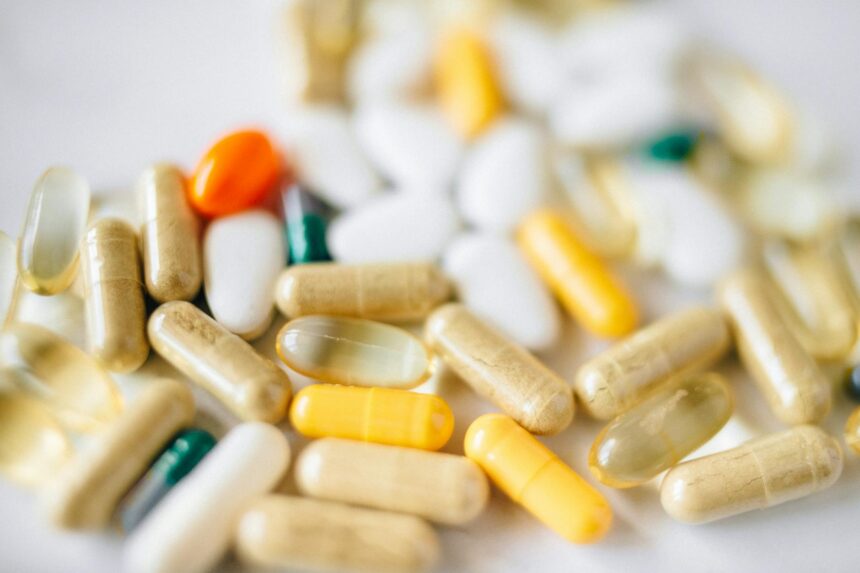
A comprehensive 2025 analysis reveals that nutraceuticals showing benefit as antidepressant add-ons likely work by addressing metabolic and nutritional constraints rather than directly targeting depression pathways, according to research published with PMID: 40314175.
Beyond neurotransmitter pathways
Traditional antidepressants primarily target serotonin, norepinephrine, and dopamine systems. However, research published in PubMed suggests that treatment response is frequently limited by factors these medications don’t address directly.
The 2025 analysis (PMID: 40314175) identified inflammation, nutrient deficiencies, and disrupted energy metabolism as key constraints on antidepressant efficacy. These findings align with growing evidence that depression involves multiple biological systems beyond neurotransmitter imbalances, as documented in recent clinical updates.

Inconsistent effects point to targeted mechanisms
The analysis revealed wide confidence intervals and variable outcomes across nutraceutical studies. According to the PMID: 40314175 research, this variability likely reflects the supplements’ targeted action on specific deficiencies rather than broad antidepressant effects.
The findings suggest that effective use of nutraceuticals as antidepressant adjuncts requires identifying specific metabolic constraints in individual patients, as noted in the 2025 analysis. The research indicates that simply adding supplements to standard antidepressant regimens without addressing underlying deficiencies may explain inconsistent study results.
The shift toward addressing multiple pathways simultaneously represents a significant evolution in depression treatment strategy, according to the analysis findings.
When nutraceuticals show benefit as antidepressant add-ons, it’s usually not because they’re acting like drugs but by reducing metabolic constraints that limit drug effectiveness
— 2025 Research Analysis (PMID: 40314175)
Key takeaways
- Nutraceuticals likely enhance antidepressants by addressing inflammation, nutrient deficiencies, and metabolic dysfunction rather than directly targeting depression pathways, according to PMID: 40314175
- Variable study outcomes suggest supplements work best when matched to specific individual deficiencies rather than used universally
- The research indicates that antidepressant response depends on multiple pathways beyond neurotransmitter targets
Frequently asked questions
Do nutraceuticals work the same way as antidepressant medications?
No, the 2025 analysis suggests nutraceuticals don’t replicate antidepressant drug mechanisms. Instead, they appear to remove metabolic barriers that can limit how well antidepressants work, such as inflammation or nutrient deficiencies that interfere with neurotransmitter function.
Why do nutraceutical studies show inconsistent results for depression?
According to the research (PMID: 40314175), the wide confidence intervals and variable outcomes likely reflect that these supplements work best in people with specific deficiencies. Unlike drugs that target universal pathways, nutraceuticals may only show benefit when addressing individual metabolic constraints.
Should everyone taking antidepressants add nutraceuticals?
The analysis suggests nutraceuticals are most beneficial when used to address identified deficiencies or metabolic issues rather than as universal add-ons to antidepressant therapy.
The research findings indicate that understanding depression’s complex biological underpinnings beyond neurotransmitter pathways may be key to optimizing treatment approaches that combine traditional pharmacotherapy with targeted nutritional interventions.
Was this article helpful?
Disclaimer. This article is health journalism intended for general information and education. It is not medical advice and is not a substitute for professional diagnosis or treatment. Always consult a qualified healthcare provider about your individual circumstances. Full disclaimer →
Related Coverage

Editorial standards. This article was produced under the GMJ News editorial process, with oversight by the GMJ Editorial Board. Our editorial process. Spotted an error? Contact the editorial team.