By using this site, you agree to the Privacy Policy and Terms of Use.
Accept
GMJ NewsGMJ NewsGMJ News
  • Latest News
    • GMJ Briefs
  • Podcast & Media
    • Podcast Episodes
    • GMJ Audio
    • GMJ Videos
  • Research Digest
    • New Studies
    • Georgian Research
    • Data & Numbers
  • Policy & Systems
    • Health Policy
    • Quality & Safety
    • Migration & Health
    • Global Health
  • Practice
    • Clinical Updates
    • Case Discussions
    • Pharmacy & Prescribing
    • Ingredients A-Z
  • Perspectives
    • Editorial
    • Explainers
    • Voices
    • Letters
  • GMJ Articles
    • Vol. 1 Issue 2 (2026)
    • Vol. 1 Issue 1 (2026)
    • Pre-Launch Articles (2025)
  • Read the Journal →
  • About GMJ News
Notification Show More
Font ResizerAa
GMJ NewsGMJ News
Font ResizerAa
  • Latest News
    • GMJ Briefs
  • Podcast & Media
    • Podcast Episodes
    • GMJ Audio
    • GMJ Videos
  • Research Digest
    • New Studies
    • Georgian Research
    • Data & Numbers
  • Policy & Systems
    • Health Policy
    • Quality & Safety
    • Migration & Health
    • Global Health
  • Practice
    • Clinical Updates
    • Case Discussions
    • Pharmacy & Prescribing
    • Ingredients A-Z
  • Perspectives
    • Editorial
    • Explainers
    • Voices
    • Letters
  • GMJ Articles
    • Vol. 1 Issue 2 (2026)
    • Vol. 1 Issue 1 (2026)
    • Pre-Launch Articles (2025)
  • Read the Journal →
  • About GMJ News
Follow US
GMJ News > Policy & Systems > Global Health > Wood Burning Stoves: Hidden Climate and Health Threats Beyond Air Pollution
Global HealthPolicy & Systems

Wood Burning Stoves: Hidden Climate and Health Threats Beyond Air Pollution

GMJ
Last updated: 25/05/2026 16:25
By
GMJ Policy Desk
Share
7 Min Read
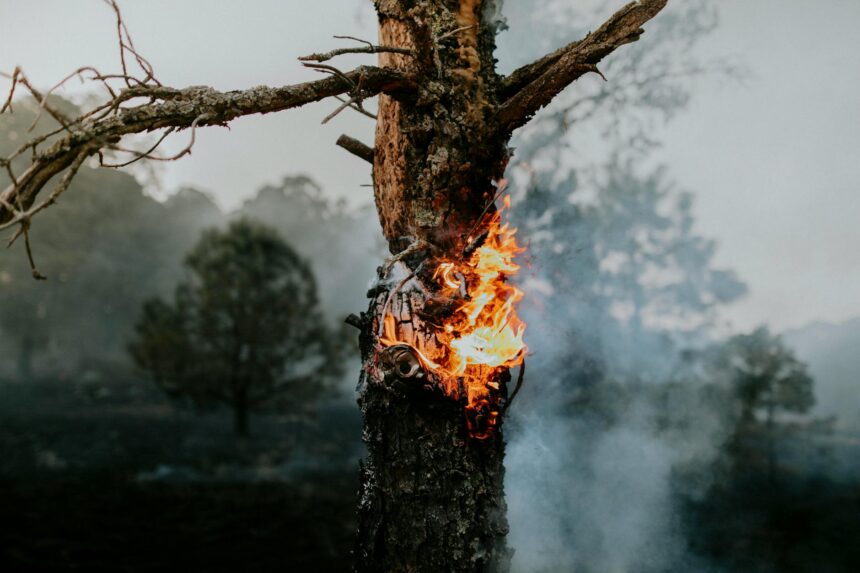
Infographic showing wood burning emissions sources from logging to black carbon warming effects
Wood burning stoves contribute significantly to climate change through supply chain emissions and black carbon release, challenging assumptions about biomass as clean energy. Renewable electricity emerges as the clear alternative for sustainable home heating. — Photo: José Luis Photographer / Pexels
SHARE
🎧 Listen to this article4:55 min · 707 words · GMJ Audio

Updated 25/05/2026

Contents
      • Wood Burning’s Climate Impact Sources
  • Black Carbon: The Powerful Climate Accelerator
  • Hidden Emissions Throughout the Supply Chain
  • Health Impacts Compound Climate Concerns
  • Renewable Electricity as the Clear Alternative
    • Key takeaways
  • Frequently asked questions
    • Is wood burning really worse for climate than gas heating?
    • What makes black carbon concerning for climate?
    • What is the recommended heating alternative?
3 min read|510 words

Wood burning stoves, increasingly popular as a supposedly “green” heating alternative, carry significant hidden environmental and health costs beyond local air pollution. According to a new analysis published in The BMJ, wood combustion contributes substantially to climate change through multiple pathways, challenging common assumptions about biomass as a carbon-neutral energy source.

100% renewable
electricity target needed to replace wood and gas burning for home heating

Wood Burning’s Climate Impact Sources

Multiple emission sources contribute to global heating beyond direct combustion

Logging operations
High
Transport emissions
Moderate
Sawmill processing
Moderate
Kiln drying
Moderate
Black carbon warming

Very High

Source: BMJ Analysis, 2026 | Georgian Medical Journal News

Submit Your Paper
GMJ_Submit_Banner

Black Carbon: The Powerful Climate Accelerator

The BMJ analysis highlights that emitted black carbon acts as a very powerful short lived contributor to global heating and contributes to far distant ice melt, resulting in accelerated heating.

Hidden Emissions Throughout the Supply Chain

According to The BMJ report, emissions related to logging, sawmill activity, transport, and often kiln drying can be substantial, extending the climate impact of wood burning far beyond the combustion itself.

🎙️ Related Podcast Episodes
🎧 #23 | WHO: Next-Generation Influenza Vaccines Could Save Millions of Lives · 18m
🎧 #52 | GMJ Podcast | Health and Migration Knowledge Hub — A Global Resource for Evidence-Based Practice · 17m
🎧 #33 | GMJ Podcast | Public Health Policy as Education in NCD Prevention — Commentary by Owen Thomas · 21m
🎧 #28 | GMJ Podcast | SheniEkimi.ge #1: Top 5 Evidence-Based Public Health News · 19m
🎧 #27 | WHO Calls for Environmentally Friendly and Less Invasive Oral Health Care · 21m

For more analysis on global health and environmental impacts, these supply chain emissions challenge wood’s classification as a low-carbon fuel.

Health Impacts Compound Climate Concerns

The BMJ analysis references previous research by Borland highlighting the health harm caused by wood burning in urban stoves. Wood burning creates immediate health hazards through particulate and gaseous pollution from combustion.

Our clinical updates section regularly covers the growing body of evidence connecting air quality to cardiovascular and respiratory health outcomes.

Renewable Electricity as the Clear Alternative

According to The BMJ analysis, the path forward requires transitioning to 100% renewable electricity for home heating systems. This approach obviates the harm to health caused by particulate and gaseous pollution from combustion of gas in boilers or stoves.

Heat pumps powered by clean electricity eliminate both local air pollution and the complex carbon emissions associated with biomass burning.

Emissions related to logging, sawmill activity, transport, and (often) kiln drying can be substantial. Further, emitted black carbon acts as a very powerful short lived contributor to global heating

— BMJ Editorial Team, The BMJ (2026)

Key takeaways

  • Wood burning generates climate-warming emissions throughout its supply chain, not just during combustion
  • Black carbon from wood fires accelerates ice melting and global heating
  • Renewable electricity-powered heating eliminates both health and climate impacts of combustion

Frequently asked questions

Is wood burning really worse for climate than gas heating?

According to The BMJ analysis, wood burning produces black carbon emissions that are extremely potent climate warmers, plus substantial supply chain emissions. Gas heating produces particulate and gaseous pollution but avoids black carbon emissions.

What makes black carbon concerning for climate?

The BMJ analysis identifies black carbon as a very powerful short-lived contributor to global heating that also contributes to far distant ice melt, accelerating warming processes.

What is the recommended heating alternative?

The BMJ analysis supports moves for homes to be powered by 100% renewable electricity, which eliminates harmful emissions from combustion-based heating systems.

The BMJ analysis concludes that the threat of climate change is now immediate and grave, requiring a transition away from all combustion-based heating systems, including wood burning despite its “renewable” label.

Source: Wood burning also contributes to climate change

Was this article helpful?

Disclaimer. This article is health journalism intended for general information and education. It is not medical advice and is not a substitute for professional diagnosis or treatment. Always consult a qualified healthcare provider about your individual circumstances. Full disclaimer →

Related Coverage

Biotech Innovation Thrives Despite US Leadership Challenges, Industry Veteran WarnsJul 8, 2026
UK Health Protection Report 2026 Reveals Key Public Health Surveillance TrendsJul 8, 2026
English Resident Doctors Plan Four-Day Strike in June Over Stalled Pay NegotiationsJul 8, 2026
Former Nurse Convicted of Fatal Drug Error Advocates for Hospital Safety ReformJul 8, 2026
Related reference
  • Iron · Ingredient
PG
Written by
Prof. Giorgi Pkhakadze, MD, MPH, PhD
Editor-in-Chief, GMJ News
Full profile →  ·  ORCID 0000-0001-7609-4515
Medical disclaimer. This article is health journalism intended for general information. It is not medical advice and is not a substitute for consultation with a qualified healthcare professional. Always seek your physician's advice regarding any medical condition.
Medically reviewed by Prof. Giorgi Pkhakadze, MD, MPH, PhD. Spotted an error? Contact the editorial team.

Get the GMJ News digest
Evidence-based health journalism in your inbox. No spam; unsubscribe anytime.
TAGGED:air pollutionblack carbonclimate changerenewable energywood burning
Share This Article
Facebook LinkedIn Bluesky Copy Link Print
GMJ
ByGMJ Policy Desk
Follow:
GMJ Policy Desk is part of GMJ News, the newsroom of the Georgian Medical Journal (gmj.ge), published by the Public Health Institute of Georgia. Every article is editorially reviewed before publication.
Leave a Comment Leave a Comment

Leave a Reply Cancel reply

Your email address will not be published. Required fields are marked *

Submit Your Paper →

Georgia's peer-reviewed open-access medical journal. No APC until January 2027.
Submit Manuscript →
Intergenerational Education Mobility Linked to Premature Death Risk in Norwegian Study

Norwegian study tracking 1.4 million people for 30 years finds downward educational…

Biotech Innovation Thrives Despite US Leadership Challenges, Industry Veteran Warns

Biotech industry delivers unprecedented breakthroughs while facing mounting challenges to US leadership…

UK Health Protection Report 2026 Reveals Key Public Health Surveillance Trends

The UK Health Security Agency's Health Protection Report Volume 20 provides comprehensive…

Submit Your Paper to GMJ

No APC until January 2027.
Submit Manuscript →

You Might Also Like

Empty children's home room with single bed, representing unregulated care facilities in UK
Health Policy

Unregulated Children’s Homes: Why UK Councils Are Spending Millions on Illegal Placements

By
GMJ Policy Desk
21/05/2026
Medical illustration showing geographic map with lung transplant access indicators across US regions
Health PolicyPolicy & Systems

Geographic Disparities Persist in US Lung Transplant Access Despite Policy Changes

By
GMJ Policy Desk
31/05/2026
Safety alert notification for Kimal Procedure Pack devices with disconnection and contamination warnings
Quality & Safety

UK Urgent Safety Alert: Kimal Procedure Packs Recalled Over Syringe Disconnection Risk

By
GMJ Policy Desk
20/05/2026
Scientific illustration showing climate change effects on bacterial antimicrobial resistance patternsIllustrative image · Photo by Monstera Production on Pexels (Pexels License)
Global HealthNew StudiesPolicy & SystemsResearch Digest

Climate Change Linked to Rising Antimicrobial Resistance in Salmonella Globally

By
GMJ Policy Desk
18/06/2026
Facebook Twitter Youtube Instagram
Company
  • Privacy Policy
  • Contact US
  • GMJ Journal
  • Submit Manuscript
  • Editorial Team
  • Register at GMJ
  • Terms of Use

Subscribe to GMJ News — Click here

Join Community
© 2026 Georgian Medical Journal (GMJ). Published by the Public Health Institute of Georgia (PHIG). All rights reserved.
Welcome Back!

Sign in to your account

Username or Email Address
Password

Lost your password?

Not a member? Sign Up