Updated 13/09/2026
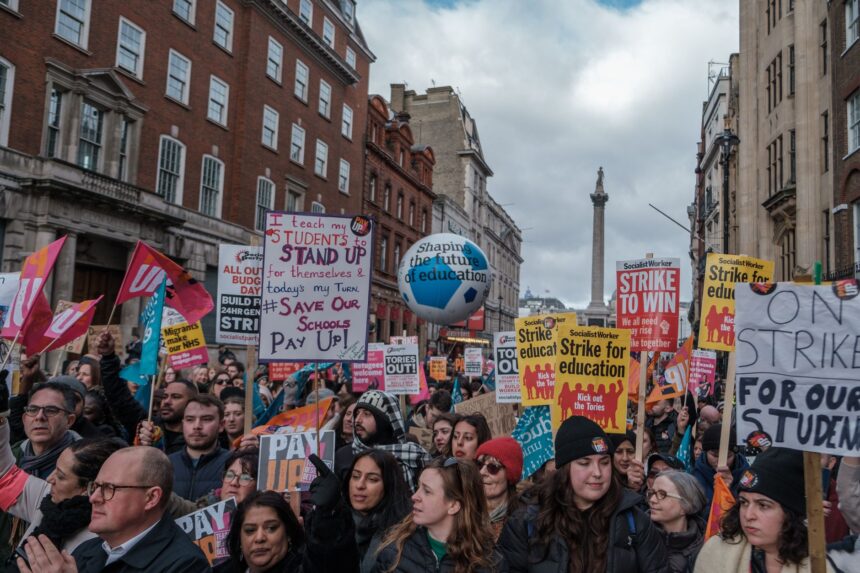
Resident doctors in England will stage their 16th walkout over pay and conditions from 7 am on Monday 15 June to 6:59 am on Friday 19 June, marking another escalation in the prolonged dispute between medical staff and the government. The British Medical Association (BMA) has warned of “more strike dates in July” if negotiations remain deadlocked.
Strike frequency has intensified under current government
Number of resident doctor walkouts by year, 2022-2026
Source: BMA strike announcements, 2026 | Georgian Medical Journal News

Talks collapse as new health secretary maintains predecessor’s position
Negotiations broke down between the new health and social care secretary James Murray and the BMA’s Resident Doctors Committee (RDC), according to The BMJ. BMA officials reported that Murray made clear he would not offer additional funding beyond what his predecessor Wes Streeting had previously proposed.
Murray expressed disappointment that the BMA had “rushed once again to unnecessary and unreasonable strike action,” suggesting the government views the union’s approach as precipitous. The stalemate reflects deeper tensions over healthcare workforce policy that have persisted across multiple health secretaries.
Union leadership signals continued escalation strategy
RDC chair Jack Fletcher had expressed hope on 27 May that a change in health secretary “would lead to a change in approach,” according to the BMJ report. The swift return to strike action suggests the union leadership views sustained pressure as necessary to achieve their pay demands.
The timing of the four-day strike coincides with peak summer healthcare demand, potentially amplifying pressure on hospital services. This represents a significant escalation from previous single-day actions, indicating the NHS England workforce dispute has entered a more intensive phase.
Government maintains fiscal constraints amid healthcare workforce crisis
The government’s position reflects broader fiscal constraints affecting public sector pay negotiations across multiple departments. Murray’s unwillingness to exceed Streeting’s previous offer suggests coordination at the Treasury level on public spending limits.
This approach risks further deterioration in relations with medical professionals, potentially affecting recruitment and retention in an already strained healthcare system. The dispute highlights tensions between fiscal responsibility and workforce investment that have characterized recent healthcare policy decisions.
Strike impact threatens patient safety and service delivery
The four-day duration represents one of the longest continuous strikes in the current dispute, raising concerns about patient safety and emergency care provision. Previous walkouts have required significant contingency planning and consultant cover to maintain essential services.
The BMA’s threat of July strikes suggests the union is prepared for a prolonged campaign that could extend well into the summer months. This strategy may test public support for the doctors’ cause while increasing pressure on government negotiators to find a resolution.
This marks the 16th walkout by resident doctors since pay disputes began, with the BMA threatening additional strikes in July if negotiations remain stalled.
— British Medical Association strike announcement (The BMJ, 2026)
Key takeaways
- Resident doctors will strike for four consecutive days from 15-19 June, their longest action yet
- New health secretary James Murray refuses to exceed predecessor’s pay offer
- BMA warns of more July strikes if negotiations fail to progress
Frequently asked questions
How many strikes have resident doctors held?
This June strike will be the 16th walkout since the current pay dispute began. The frequency has increased significantly in 2026, with this being the seventh strike action this year alone.
What are resident doctors demanding?
The specific pay demands were not detailed in the current announcement, but the dispute centers on pay restoration and working conditions. Previous negotiations have focused on multi-year pay settlements to address real-terms pay erosion.
Will emergency care continue during the strike?
While not specified in this announcement, previous strikes have maintained emergency and life-threatening care through consultant cover and agreed exemptions. However, routine procedures and appointments typically face significant disruption.
The escalating strike action reflects a fundamental impasse between government fiscal constraints and medical workforce demands that shows no immediate prospect of resolution. With both sides maintaining firm positions and July strikes threatened, patients and healthcare services face months of continued uncertainty and disruption.
Source: Strikes: Resident doctors announce four day walkout in June
🗺️ Find certified Georgian healthcare providers: sheniekimi.ge — Georgia Health Map · 998 clinics · 6,600+ doctors · 2,296 pharmacies
Was this article helpful?
Disclaimer. This article is health journalism intended for general information and education. It is not medical advice and is not a substitute for professional diagnosis or treatment. Always consult a qualified healthcare provider about your individual circumstances. Full disclaimer →
Related Coverage




Editorial standards. This article was produced under the GMJ News editorial process, with oversight by the GMJ Editorial Board. Our editorial process. Spotted an error? Contact the editorial team.