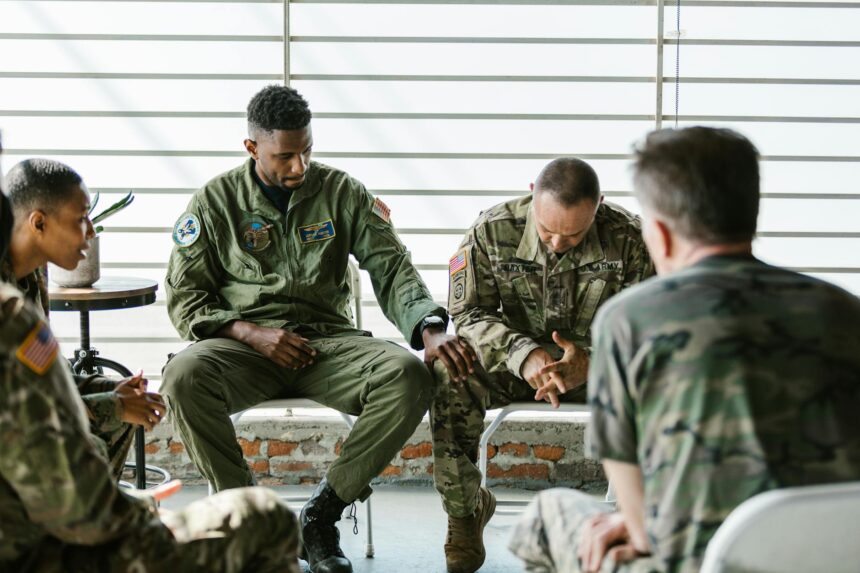
Mental health and psychosocial support interventions can effectively reduce trauma symptoms among populations caught in ongoing armed conflicts, according to a comprehensive scoping review published in BMJ Global Health. The analysis of 47 studies reveals significant gaps in research standards while highlighting promising outcomes for both civilians and ex-combatants receiving targeted psychological support during active warfare.
Mental health intervention studies by population group
Distribution of 47 studies examining psychosocial support during active conflict
Source: BMJ Global Health, 2024 | Georgian Medical Journal News
Significant symptom reduction in adult populations
The review, conducted by researchers following WHO guidelines for systematic analysis, found that adult civilians and ex-combatants showed statistically significant improvements across multiple mental health indicators. Studies consistently reported decreased post-traumatic stress disorder symptoms, reduced depression and anxiety levels, and improved psychosocial functioning among participants receiving structured mental health interventions.

The research team analysed interventions targeting three distinct groups: civilians, internally displaced persons, and veterans or ex-combatants affected by ongoing armed conflict. For more insights on global health challenges, recent evidence suggests that early intervention during active conflict periods may prevent long-term psychological complications.
Mixed outcomes for younger populations
While adult populations demonstrated clear benefits, results for children and adolescents were less consistent across the 19 studies examining younger age groups. The review found mixed outcomes when evaluating trauma-focused interventions specifically designed for minors experiencing ongoing conflict exposure, according to the published analysis.
Ex-combatants showed variable responses to interventions targeting aggression, substance dependence, and social skills development. The heterogeneity in treatment approaches and measurement tools across studies made it difficult to draw definitive conclusions about optimal intervention strategies for this population, researchers noted. Clinical teams working in migration and displacement settings may find these findings relevant for program design.
Research quality concerns highlighted
The scoping review revealed significant methodological inconsistencies across the 47 included studies, with researchers calling for improved standards in evaluating mental health interventions during active conflicts. Study designs varied widely, as did the clinical instruments used to assess psychological outcomes, making comparative analysis challenging.
Only 12 papers across all population groups specifically investigated trauma-focused interventions, despite trauma exposure being a primary concern in conflict settings. This gap suggests that evidence-based trauma treatments may be underutilized or inadequately studied in active conflict zones, the authors concluded.
Many studies reported statistically significant positive outcomes in both adult civilians and ex-combatants with respect to decreased post-traumatic stress disorder, depression and anxiety symptomatology and improved psychosocial functioning, well-being and quality of life.
— Research team, BMJ Global Health (2024)
Key takeaways
- Mental health interventions can effectively reduce trauma symptoms in adults during active armed conflict
- Only 26% of studies (12 of 47) focused specifically on trauma-focused interventions despite high trauma exposure
- Research standards need improvement with standardized measurement tools and study designs
Frequently asked questions
What types of mental health support work best during active conflicts?
The review found that structured psychosocial interventions consistently improved PTSD, depression, and anxiety symptoms in adults. However, trauma-focused approaches were understudied, appearing in only 12 of 47 reviewed papers.
Are mental health interventions effective for children in conflict zones?
Results were mixed for children and adolescents across 19 studies. While some interventions showed promise, the heterogeneity in approaches and measurement tools made it difficult to identify the most effective strategies for younger populations.
How many people are affected by ongoing armed conflicts globally?
According to the research, over 2 billion people worldwide are currently affected by ongoing armed conflict, highlighting the urgent need for effective mental health support systems in these settings.
The findings underscore the urgent need for standardized research protocols and evidence-based treatment guidelines for mental health interventions in active conflict settings. As global conflict continues to affect billions of people, establishing robust evaluation frameworks for psychosocial support programs becomes increasingly critical for both immediate care and long-term population health outcomes.
Was this article helpful?
Disclaimer. This article is health journalism intended for general information and education. It is not medical advice and is not a substitute for professional diagnosis or treatment. Always consult a qualified healthcare provider about your individual circumstances. Full disclaimer →
Related Coverage




Medically reviewed by Prof. Giorgi Pkhakadze, MD, MPH, PhD. Spotted an error? Contact the editorial team.