Updated 25/05/2026
The US Food and Drug Administration (FDA) has issued an early alert regarding anesthesia workstations manufactured by Draeger, Inc., citing a manufacturing defect that risks ventilator failure during critical surgical procedures. The agency’s early alert warns that the fault may cause the ventilator to malfunction before or during patient use, potentially compromising respiratory support in operating theatres.
Manufacturing Defect in Critical Care Equipment
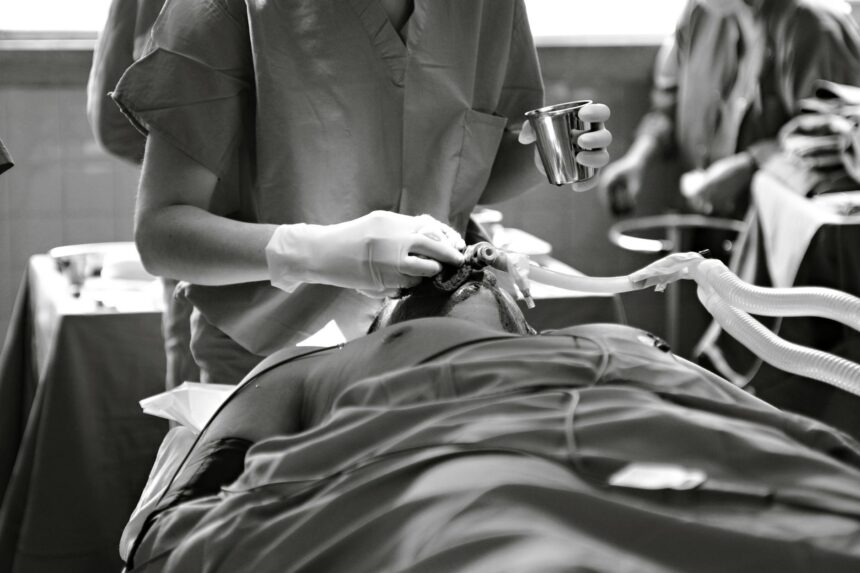
Draeger, a leading manufacturer of anaesthetic and respiratory devices, has initiated corrective measures for anesthesia workstations containing a manufacturing error in the ventilator assembly. According to the FDA early alert, the defect creates a risk that the ventilator may fail to function properly either before anaesthesia begins or during an active surgical procedure when respiratory support is essential.
Hospital anaesthetists and surgical teams must visually inspect affected equipment and follow Draeger’s guidance on device identification and corrective action protocols. This represents a significant quality and safety concern in operating-theatre environments where ventilator reliability is non-negotiable. For details on device identification and mitigation steps, see the Quality & Safety section on news.gmj.ge.

Immediate Clinical and Institutional Implications
The FDA early alert indicates that anaesthesia departments must treat this alert as urgent, as ventilator malfunction poses direct risk to patient safety during general anaesthesia. Hospital biomedical and perioperative teams should verify which anesthesia workstations in their facilities are affected and implement Draeger’s corrective actions without delay.
Hospitals lacking documented verification of corrective action should remove affected equipment from clinical service immediately and contact Draeger for technical guidance. This aligns with patient safety protocols and institutional risk management standards. Given the critical nature of anaesthesia equipment, communication between procurement, biomedical engineering, and clinical departments is essential to prevent adverse events.
Manufacturing defects in anesthesia workstations may cause ventilator failure before or during patient use, requiring immediate institutional verification and corrective action.
— US Food and Drug Administration, Medical Device Early Alert, 2024
Broader Context: Device Safety in Perioperative Medicine
This alert underscores the ongoing importance of post-market surveillance and manufacturer accountability in anaesthetic equipment. Ventilator reliability is foundational to patient safety in operating theatres, and any manufacturing defect that compromises this function represents a serious clinical risk. The FDA’s early alert system allows rapid communication of emerging safety issues before formal recalls are issued.
Draeger’s proactive correction and the FDA’s transparent communication represent standard practice in medical device safety. Clinical teams should familiarise themselves with Clinical Updates on device safety and maintain awareness of manufacturer communications regarding their equipment inventory.
Key takeaways
- Draeger anesthesia workstations have a manufacturing defect that may cause ventilator failure during surgery
- The FDA has issued an early alert requiring hospital identification and corrective action on affected devices
- Anaesthesia departments must verify device serial numbers and compliance status immediately
- Patient safety protocols require removal of unverified equipment from clinical service
Frequently asked questions
What is the specific manufacturing defect in Draeger anesthesia workstations?
The FDA early alert identifies a manufacturing error in the ventilator assembly that may prevent proper function before or during anaesthesia. The exact technical details and device serial number ranges are documented in Draeger’s official safety communication and the FDA alert. Hospital engineering teams should contact Draeger directly for specific model and serial identification criteria.
How should hospitals respond to this FDA early alert?
Institutions must cross-reference their anesthesia workstation inventory against Draeger’s device identification guidance, implement corrective actions for affected units, and document compliance. Until verification is complete, affected equipment should not be used clinically. Biomedical and perioperative leadership should coordinate the verification and remediation process.
Does this alert affect all Draeger anesthesia equipment?
The alert applies specifically to certain Draeger anesthesia workstation models and serial numbers. Not all Draeger equipment is affected. Hospital procurement and biomedical teams must obtain the official device identification list from Draeger and cross-reference it against their facility’s equipment inventory to determine which units require corrective action.
Hospital administrators, anaesthesia directors, and biomedical engineers should treat this FDA early alert as a priority patient safety issue requiring immediate verification and corrective action. The defect’s potential to cause intra-operative ventilator failure demands urgent institutional response and documentation of compliance.
Source: FDA Early Alert: Anesthesia Machine Issue — Draeger, Inc.
Was this article helpful?
Disclaimer. This article is health journalism intended for general information and education. It is not medical advice and is not a substitute for professional diagnosis or treatment. Always consult a qualified healthcare provider about your individual circumstances. Full disclaimer →
Related Coverage

Medically reviewed by Prof. Giorgi Pkhakadze, MD, MPH, PhD. Spotted an error? Contact the editorial team.