Updated 25/05/2026
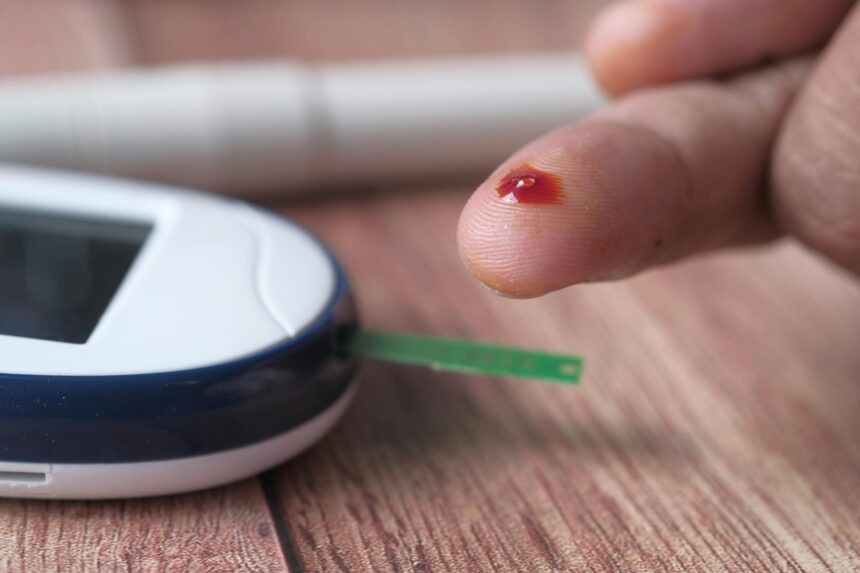
Trividia Health has issued a correction notice for TRUE METRIX blood glucose monitoring systems after reports of an E-5 error code that may prevent accurate glucose readings, according to the FDA Medical Device Alerts. Trividia Health recommends that users experiencing the error code alongside symptoms of hyperglycaemia seek immediate medical attention.
TRUE METRIX System Safety Alert Timeline
Correction notice issued by Trividia Health via FDA Medical Device Alerts
monitoring system
device malfunction
symptomatic users
Source: FDA Medical Device Alerts | Georgian Medical Journal News

Error Code Signals Device Malfunction
The E-5 error code on TRUE METRIX monitors indicates that the device cannot process a blood sample correctly, according to the FDA medical device correction notice. Users who encounter this error cannot rely on the displayed glucose reading, creating a potential clinical hazard for diabetes patients who depend on accurate readings to guide insulin dosing and dietary decisions.
Trividia’s Guidance for Users
Trividia Health advises that any user who receives an E-5 error code while experiencing classical hyperglycaemia symptoms—such as increased thirst, frequent urination, or fatigue—should seek medical care immediately rather than relying on the device reading, according to the FDA Medical Device Alerts. The company has not issued a full recall but instead recommends verification of results using an alternative method or clinical evaluation.
Patients should contact their healthcare provider or seek emergency care if they suspect genuine hyperglycaemia, particularly if symptoms persist despite the E-5 error. For more context on device safety standards and recalls, see our Quality & Safety coverage.
Implications for Diabetes Care
Trividia has not specified the scope of affected devices or the underlying technical cause of the E-5 error. Clinicians and patients should remain alert to this issue and consider alternative monitoring methods if they encounter the error code persistently or in conjunction with unexplained symptoms.
Users of TRUE METRIX blood glucose monitors who receive an E-5 error code and experience symptoms of high blood glucose should seek immediate medical care and not rely on the device reading.
— Trividia Health, via FDA Medical Device Alerts
Key takeaways
- TRUE METRIX monitors may display an E-5 error code that prevents accurate glucose measurement, according to the FDA Medical Device Alerts.
- Trividia recommends immediate medical evaluation for users with the error code who experience hyperglycaemia symptoms rather than relying on the device reading.
- No full recall has been issued; the guidance is a correction notice emphasizing the need for clinical verification of results.
Frequently asked questions
What does the E-5 error code mean on a TRUE METRIX monitor?
The E-5 error indicates the device cannot correctly process a blood sample or complete its measurement algorithm, according to the FDA Medical Device Alerts. The displayed reading is unreliable, and the actual blood glucose status cannot be determined from the device alone. Users should treat the error as a device malfunction and not assume the reading is accurate.
Do I need to stop using my TRUE METRIX monitor immediately?
Trividia has not issued a full recall, according to the FDA Medical Device Alerts. However, if you encounter an E-5 error, you should not rely on that particular reading. If you experience symptoms of high blood sugar alongside the error, seek medical attention immediately. Continue monitoring your device for future errors and discuss options with your healthcare provider.
How should I verify my blood glucose if my monitor shows an E-5 error?
Contact your healthcare provider or seek urgent care if you suspect high blood glucose, especially with symptoms like increased thirst or fatigue. Consider using an alternative glucose meter if available, or arrange for laboratory blood glucose testing. Do not delay treatment based on uncertainty from a device error.
Trividia users experiencing persistent or recurrent E-5 errors should consult their healthcare provider about alternative monitoring options and report the issue to the FDA through its MedWatch program.
Was this article helpful?
Disclaimer. This article is health journalism intended for general information and education. It is not medical advice and is not a substitute for professional diagnosis or treatment. Always consult a qualified healthcare provider about your individual circumstances. Full disclaimer →
Related Coverage




Editorial standards. This article was produced under the GMJ News editorial process, with oversight by the GMJ Editorial Board. Our editorial process. Spotted an error? Contact the editorial team.