


Home › Topics › Essential Tremor
Essential Tremor
GMJ News knowledge hub · last reviewed September 2026 · Georgian Medical Journal
SummaryStatisticsGlossaryGMJ newsFAQDocumentsOrganizationsResearch
Essential tremor (ET) — the most common movement disorder globally — affects approximately 70-90 million people worldwide (approximately 1% of the global population, rising to 4-5% in adults over 65), causing embarrassing, disabling action tremor of the hands and arms (and sometimes head, voice and legs) that interferes with writing, eating, drinking and daily activities (WHO). Despite being far more common than Parkinson's disease, essential tremor receives a fraction of the research attention and public awareness. Treatment options: propranolol and primidone (first-line); for severe medication-refractory tremor: deep brain stimulation (DBS) or MR-guided focused ultrasound (MRgFUS) — approved by FDA in 2016 as a non-invasive neurosurgical option.
Key messages
70-90 million people — most common movement disorder
Essential tremor (ET) affects approximately 70-90 million people globally (approximately 1% of the global population; 4-5% over age 65) — making it the most common movement disorder worldwide, far exceeding Parkinson's disease in prevalence (WHO).
Action tremor — not resting
ET causes action tremor (worst during voluntary movement — writing, holding a glass, eating) rather than resting tremor (characteristic of Parkinson's). This distinction is critical for diagnosis: resting tremor that improves with movement is Parkinson's; tremor that worsens with movement is ET.
Propranolol and primidone first-line
Propranolol (beta-blocker) and primidone (anticonvulsant) are first-line pharmacological treatments for ET — each reducing tremor amplitude by approximately 50-60% in responders, but neither achieves complete control and approximately 30% of patients respond inadequately.
MRgFUS — non-invasive surgery
MR-guided focused ultrasound (MRgFUS/Exablate) — FDA approved in 2016 — uses focused ultrasound waves to create a precise lesion in the thalamic VIM nucleus without any incision or radiation, offering immediate, durable tremor control (approximately 70-80% improvement) for medication-refractory ET.
Deep brain stimulation for severe cases
Deep brain stimulation (DBS) of the ventral intermediate (VIM) thalamic nucleus is the gold-standard neurosurgical treatment for severe, medication-refractory ET — providing approximately 80-90% tremor reduction. Unlike thalamotomy, DBS is adjustable and reversible.
Underdiagnosed and undertreated
ET is significantly underdiagnosed — often dismissed as "just getting old" or anxiety-related shaking. Many patients report decades of functional disability, social embarrassment and withdrawal from activities before receiving a diagnosis and treatment.
Key statistics
Essential tremor prevalence by age group (%) — WHO/published meta-analyses
Source: WHO. ET prevalence rises steeply with age — a growing challenge with global ageing.
Glossary of key terms
Latest GMJ coverage
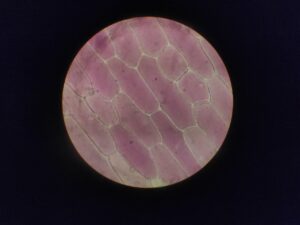
Cerebellar Cell Discovery Reshapes Understanding of Movement Disorders
18/08/2026
AI-Guided Ultrasound Predicts Bubble Collapse to Improve Brain Barrier Opening
09/07/2026
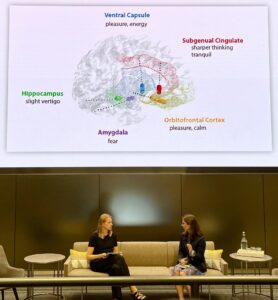
Third Electrode Pair Improves Deep Brain Stimulation Precision in Mouse Study
29/06/2026
Brain enzyme GSK-3β: How lithium may slow aging at the molecular level
20/09/2026

Pesticide Chlorpyrifos Linked to More Than Double Risk of Parkinson’s Disease, UCLA Study Finds
22/08/2026

Australian Hospital Deploys World-First Robotic Surgery Technology for Complex Procedures
07/08/2026
Frequently asked questions 12 Q&A — structured for Google featured snippets and AI discovery
Knowledge hub: guidelines, conventions and reports
Organizations working in migration and health
Related health topics
Parkinson's diseaseMND/neurologicalMS (tremor)AgeingDisabilityDepression/anxiety (ET impact)
About this hub. Produced by the GMJ News Editorial Team as a public-good service. Every statistic is linked to its primary source. Documents are preserved in the GMJ Repository with full attribution. Georgian Medical Journal · Contact the editorial team