


Home › Topics › Motor Neuron Disease (ALS)
Motor Neuron Disease (ALS)
GMJ News knowledge hub · last reviewed September 2026 · Georgian Medical Journal
SummaryStatisticsGlossaryGMJ newsFAQDocumentsOrganizationsResearch
Motor neuron disease (MND) — most commonly amyotrophic lateral sclerosis (ALS, Lou Gehrig's disease) — is a progressive neurodegenerative disease destroying both upper and lower motor neurons, causing progressive paralysis affecting limb, bulbar and respiratory function: approximately 200,000 people are living with ALS globally at any time, with most dying within 3-5 years of diagnosis (WHO). ALS has no cure — riluzole modestly extends survival; edaravone and AMX0035 slow functional decline. The 2023 approval of tofersen — the first targeted therapy for SOD1-ALS — marks the beginning of precision medicine for genetic MND subtypes.
Key messages
200,000 living with ALS globally
Amyotrophic lateral sclerosis (ALS) — the most common form of motor neuron disease (MND) — affects approximately 200,000 people at any time globally, with 30,000 new cases per year. ALS kills most patients within 3-5 years of diagnosis (WHO/MND Association).
No cure — modestly effective treatments
ALS has no cure. Riluzole (1995) modestly extends survival by approximately 3 months. Edaravone (2017) slows functional decline in a subset of patients. AMX0035 (2022) extends survival by approximately 6 months. None halt progression.
First precision medicine for SOD1-ALS
Tofersen — an antisense oligonucleotide targeting mutant SOD1 protein — received FDA accelerated approval in 2023 for SOD1-ALS (approximately 2% of ALS cases). It substantially reduces neurofilament biomarkers of neuronal damage and slows disease progression, representing the first targeted therapy for a specific ALS gene mutation.
Multidisciplinary care extends survival
While no drug dramatically alters ALS course, multidisciplinary specialist care — neurologist, physiotherapist, speech therapist, dietitian, respiratory team, social worker, palliative care — significantly extends survival and quality of life.
Genetic forms 10%
Approximately 10% of ALS is familial (FALS) — caused by mutations in genes including SOD1, C9orf72 (most common, also causing frontotemporal dementia), TARDBP, FUS and others. Genetic testing is recommended for all patients.
Ice Bucket Challenge — a fundraising revolution
The 2014 ALS Ice Bucket Challenge raised over $220 million globally — dramatically increasing ALS research funding and leading to the discovery of multiple new ALS genes and research advances. It demonstrated the power of social media for health fundraising.
Key statistics
ALS/MND incidence per 100,000 population by age group — global epidemiology
Source: Published epidemiological data. ALS incidence peaks in the 60s-70s; rare below 40.
Glossary of key terms
Latest GMJ coverage

Experimental drug shows promise in protecting nerve cells from ALS damage
16/09/2026

Northwestern researchers identify cause of neuron overfiring in ALS and design potential treatment
22/08/2026
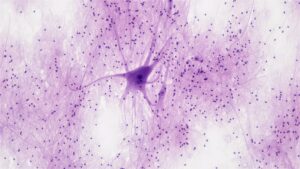
University of Queensland Drug Targets Immune Receptor, Offering Hope for Motor Neuron Disease
19/08/2026

Brain-Computer Interface Restores Speech in ALS Patient After Two Years of Home Use
11/07/2026
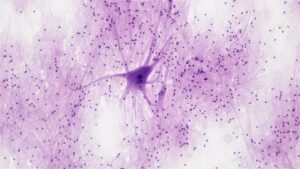
Tubulin offers new strategy to prevent toxic protein clumps in Alzheimer’s and Parkinson’s disease
21/09/2026
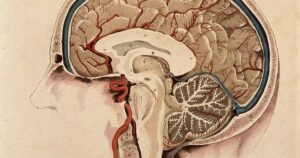
Parkinson’s Disease and the Serotonin Clock: The Longer the Disease, the Lower the Level
28/08/2026
Frequently asked questions 12 Q&A — structured for Google featured snippets and AI discovery
Knowledge hub: guidelines, conventions and reports
Organizations working in migration and health
Related health topics
Dementia (ALS-FTD)Parkinson'sRare neurological diseasesPalliative careDisabilityMental health
About this hub. Produced by the GMJ News Editorial Team as a public-good service. Every statistic is linked to its primary source. Documents are preserved in the GMJ Repository with full attribution. Georgian Medical Journal · Contact the editorial team