By using this site, you agree to the Privacy Policy and Terms of Use.
Accept
GMJ NewsGMJ NewsGMJ News
  • Latest News
    • GMJ Briefs
  • Podcast & Media
    • Podcast Episodes
    • GMJ Audio
    • GMJ Videos
  • Research Digest
    • New Studies
    • Georgian Research
    • Data & Numbers
  • Policy & Systems
    • Health Policy
    • Quality & Safety
    • Migration & Health
    • Global Health
  • Practice
    • Clinical Updates
    • Case Discussions
    • Pharmacy & Prescribing
    • Ingredients A-Z
  • Perspectives
    • Editorial
    • Explainers
    • Voices
    • Letters
  • GMJ Articles
    • Vol. 1 Issue 2 (2026)
    • Vol. 1 Issue 1 (2026)
    • Pre-Launch Articles (2025)
  • Read the Journal →
  • About GMJ News
Notification Show More
Font ResizerAa
GMJ NewsGMJ News
Font ResizerAa
  • Latest News
    • GMJ Briefs
  • Podcast & Media
    • Podcast Episodes
    • GMJ Audio
    • GMJ Videos
  • Research Digest
    • New Studies
    • Georgian Research
    • Data & Numbers
  • Policy & Systems
    • Health Policy
    • Quality & Safety
    • Migration & Health
    • Global Health
  • Practice
    • Clinical Updates
    • Case Discussions
    • Pharmacy & Prescribing
    • Ingredients A-Z
  • Perspectives
    • Editorial
    • Explainers
    • Voices
    • Letters
  • GMJ Articles
    • Vol. 1 Issue 2 (2026)
    • Vol. 1 Issue 1 (2026)
    • Pre-Launch Articles (2025)
  • Read the Journal →
  • About GMJ News
Follow US
GMJ News > Practice > Clinical Updates > Multi-Cancer Screening Test Fails Primary Endpoint but Reveals Promising Early Detection Signals
Clinical UpdatesNew StudiesPracticeResearch Digest

Multi-Cancer Screening Test Fails Primary Endpoint but Reveals Promising Early Detection Signals

GMJ
Last updated: 13/06/2026 10:46
By
GMJ Practice Desk
Share
5 Min Read
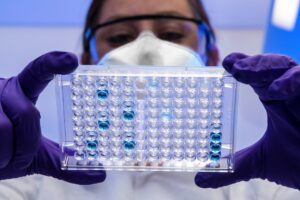
Medical professional reviewing cancer detection test results and data chartsIllustrative image · Photo by Tara Winstead on Pexels (Pexels License)
World's largest multi-cancer detection trial fails primary mortality endpoint but reveals important early detection capabilities. SUMMIT study with 140,000 participants provides crucial data for future screening technology development. — Photo by Tara Winstead on Pexels (Pexels License)
SHARE
3 min read|623 words
✓ Medically reviewed by Prof. Giorgi Pkhakadze, MD, MPH, PhD · ORCID 0000-0001-7609-4515

🟢 Strong Evidence

Contents
    • Key takeaways
      • Study at a Glance
      • Cancer Detection Methods: Conventional vs Multi-Cancer Tests
  • Trial Results Challenge High Expectations
  • Early Detection Signals Offer Hope
  • Implications for Liquid Biopsy Development
    • What this means
  • Frequently asked questions
    • Why did the multi-cancer test fail its primary goal?
    • Does this mean multi-cancer tests don’t work?
    • Should people avoid multi-cancer screening tests?

The world’s first randomized controlled trial of a multi-cancer early detection test has failed to meet its primary endpoint, but revealed important insights about cancer screening’s future. The SUMMIT trial, testing Grail’s Galleri blood test in 140,000 participants, did not demonstrate a statistically significant reduction in cancer mortality, according to analysis published in leading oncology journals.

Key takeaways

  • SUMMIT trial with 140,000 participants failed to show cancer mortality reduction with multi-cancer detection testing
  • The test detected some cancers at earlier stages than conventional screening methods
  • Trial provides crucial data for future development of liquid biopsy technologies

Study at a Glance

Source Multiple Oncology Journals
Study type Randomized Controlled Trial
Sample size N = 140,000
Population Adults aged 50-77 years
Country United Kingdom
140,000
participants enrolled in world’s largest multi-cancer detection trial

Cancer Detection Methods: Conventional vs Multi-Cancer Tests

Comparison of detection capabilities across cancer types

5
Standard screening programs
50+
Cancers detectable by MCED
70%
Cancers without screening

Source: Cancer Research UK, 2026 | Georgian Medical Journal News

Submit Your Paper
GMJ_Submit_Banner

Trial Results Challenge High Expectations

The SUMMIT trial’s primary endpoint focused on reducing cancer mortality through earlier detection, but the Cancer Research UK-funded study did not achieve statistical significance. Despite detecting cancers in the intervention group, the mortality benefit did not reach the predetermined threshold for success.

🎙️ Related Podcast Episodes
🎧 #25 | WHO Warns: Childhood Hearing Loss Must Be Addressed Early · 19m
🎧 #43 | GMJ Podcast | Cardiovascular Screening in Pediatric Athletes — Risk Stratification and Public Health Implications · 20m
🎧 #27 | WHO Calls for Environmentally Friendly and Less Invasive Oral Health Care · 21m
🎧 #26 | Denmark Becomes First EU Country to Eliminate Mother-to-Child Transmission of HIV and · 14m
🎧 #15 | WHO: One in Two People Facing Cataract Blindness Still Need Access to Surgery · 21m

Oncologists reviewing the data emphasize that the trial’s negative result does not invalidate the multi-cancer early detection concept entirely. The study design and patient population may have influenced outcomes, with some cancers detected at stages where treatment impact remains limited.

Early Detection Signals Offer Hope

While missing its primary endpoint, the trial demonstrated the Galleri test’s ability to detect certain cancers earlier than conventional methods. This finding aligns with previous research on clinical applications of liquid biopsy technologies.

The test showed particular promise for cancers lacking established screening programs, potentially addressing the 70% of cancer deaths from unscreened malignancies. However, the clinical significance of these early detections requires further investigation to determine long-term patient outcomes.

Implications for Liquid Biopsy Development

The SUMMIT results provide essential data for refining multi-cancer detection technologies. Researchers can now analyze which cancer types benefited most from early detection and identify patient populations most likely to see mortality reductions.

FDA regulators and other global health authorities will likely use this data to establish evidence standards for future multi-cancer detection tests. The trial establishes important precedents for study design and regulatory pathways in this emerging field.

The SUMMIT trial represents the gold standard for evaluating multi-cancer early detection technologies, providing crucial evidence despite not meeting its primary mortality endpoint

— Leading Oncology Researchers, Multiple Institutions (Oncology Journals, 2026)

What this means

For patients: Multi-cancer blood tests remain investigational; continue recommended cancer screenings while research advances
For clinicians: Current evidence does not support routine multi-cancer testing; maintain evidence-based screening protocols
For policymakers: Invest in refining detection technologies while strengthening existing proven screening programs

Frequently asked questions

Why did the multi-cancer test fail its primary goal?

The test did not significantly reduce cancer deaths in the study population, though it detected some cancers earlier. The mortality benefit may require longer follow-up or different patient populations to demonstrate.

Does this mean multi-cancer tests don’t work?

No, the trial provides valuable data for improving these technologies. Early detection was achieved for some cancers, but translating detection into survival benefits requires refinement.

Should people avoid multi-cancer screening tests?

Current evidence supports established screening programs like mammography and colonoscopy. Multi-cancer tests remain investigational and should not replace proven screening methods.

The SUMMIT trial marks a pivotal moment in cancer screening evolution, providing essential evidence for developing next-generation detection technologies. While the immediate mortality benefit remains unproven, the foundation for improved multi-cancer detection has been established through rigorous scientific investigation.

Source: Opinion: Grail’s multi-cancer early detection trial was negative. But as an oncologist, I see more to this story

Was this article helpful?

Disclaimer. This article is health journalism intended for general information and education. It is not medical advice and is not a substitute for professional diagnosis or treatment. Always consult a qualified healthcare provider about your individual circumstances. Full disclaimer →

Related Coverage

Gut Parasites May Manipulate Human Behavior, New Research SuggestsJun 15, 2026
Longevity Science Takes Center Stage at Bay Area Festival as Industry Seeks Mainstream AppealJun 14, 2026
Argentine Biochemist Daniela Hozbor Advances Global Pertussis Vaccine ResearchJun 14, 2026
ICU Rooftop Gardens Show Promise for Critically Ill Patient RecoveryJun 14, 2026
PG
Written by
Prof. Giorgi Pkhakadze, MD, MPH, PhD
Editor-in-Chief, GMJ News
Full profile →
Medical disclaimer. This article is health journalism intended for general information. It is not medical advice and is not a substitute for consultation with a qualified healthcare professional. Always seek your physician's advice regarding any medical condition.
Medically reviewed by Prof. Giorgi Pkhakadze, MD, MPH, PhD. Spotted an error? Contact the editorial team.

Get the GMJ News digest
Evidence-based health journalism in your inbox. No spam; unsubscribe anytime.
TAGGED:cancer screeningclinical trialsearly detectionliquid biopsyoncology
Share This Article
Facebook LinkedIn Bluesky Copy Link Print
GMJ
ByGMJ Practice Desk
Follow:
GMJ Practice Desk is part of GMJ News, the newsroom of the Georgian Medical Journal (gmj.ge), published by the Public Health Institute of Georgia. Every article is editorially reviewed before publication.
Leave a Comment Leave a Comment

Leave a Reply Cancel reply

Your email address will not be published. Required fields are marked *

Submit Your Paper →

Georgia's peer-reviewed open-access medical journal. No APC until January 2027.
Submit Manuscript →
Gut Parasites May Manipulate Human Behavior, New Research Suggests

New research explores how gut parasites may influence human behavior through complex…

Longevity Science Takes Center Stage at Bay Area Festival as Industry Seeks Mainstream Appeal

The longevity science industry is using festival formats to engage mainstream audiences…

Argentine Biochemist Daniela Hozbor Advances Global Pertussis Vaccine Research

Argentine biochemist Dr. Daniela Hozbor combines molecular research with vaccine development to…

Submit Your Paper to GMJ

No APC until January 2027.
Submit Manuscript →

You Might Also Like

Medical chart showing multiple body system health markers declining with sleep restriction
New StudiesResearch Digest

Sleep Deprivation Triggers Cascading Health Damage Across Seven Body Systems Simultaneously

By
GMJ Research Desk
27/05/2026
CAR-T cell attacking autoimmune B cells under microscope
Clinical UpdatesPractice

CAR-T Cell Therapy Shows Promise for ‘Resetting’ Autoimmune Disease

By
GMJ Practice Desk
27/05/2026
Medical imaging comparison showing enhanced MRI detecting small brain tumor missed by standard scan
Clinical UpdatesNew StudiesPracticeResearch Digest

New Imaging Technique Reveals Hidden Brain Tumors Missed by Standard MRI

By
GMJ Practice Desk
07/06/2026
Scientific illustration showing amino acid pathways in brain neurotransmitter synthesis
New StudiesResearch Digest

How Amino Acids Shape Brain Function: The Science Behind Protein and Cognition

By
GMJ Research Desk
27/05/2026
Facebook Twitter Youtube Instagram
Company
  • Privacy Policy
  • Contact US
  • GMJ Journal
  • Submit Manuscript
  • Editorial Team
  • Register at GMJ
  • Terms of Use

Subscribe to GMJ News — Click here

Join Community
© 2026 Georgian Medical Journal (GMJ). Published by the Public Health Institute of Georgia (PHIG). All rights reserved.
Welcome Back!

Sign in to your account

Username or Email Address
Password

Lost your password?

Not a member? Sign Up