By using this site, you agree to the Privacy Policy and Terms of Use.
Accept
GMJ NewsGMJ NewsGMJ News
  • Latest News
    • GMJ Briefs
  • Podcast & Media
    • Podcast Episodes
    • GMJ Audio
    • GMJ Videos
  • Research Digest
    • New Studies
    • Georgian Research
    • Data & Numbers
  • Policy & Systems
    • Health Policy
    • Quality & Safety
    • Migration & Health
    • Global Health
  • Practice
    • Clinical Updates
    • Case Discussions
    • Pharmacy & Prescribing
    • Ingredients A-Z
  • Perspectives
    • Editorial
    • Explainers
    • Voices
    • Letters
  • GMJ Articles
    • Vol. 1 Issue 2 (2026)
    • Vol. 1 Issue 1 (2026)
    • Pre-Launch Articles (2025)
  • Read the Journal →
  • About GMJ News
Notification Show More
Font ResizerAa
GMJ NewsGMJ News
Font ResizerAa
  • Latest News
    • GMJ Briefs
  • Podcast & Media
    • Podcast Episodes
    • GMJ Audio
    • GMJ Videos
  • Research Digest
    • New Studies
    • Georgian Research
    • Data & Numbers
  • Policy & Systems
    • Health Policy
    • Quality & Safety
    • Migration & Health
    • Global Health
  • Practice
    • Clinical Updates
    • Case Discussions
    • Pharmacy & Prescribing
    • Ingredients A-Z
  • Perspectives
    • Editorial
    • Explainers
    • Voices
    • Letters
  • GMJ Articles
    • Vol. 1 Issue 2 (2026)
    • Vol. 1 Issue 1 (2026)
    • Pre-Launch Articles (2025)
  • Read the Journal →
  • About GMJ News
Follow US
GMJ News > Policy & Systems > Global Health > Blood Type O Shows Lower Risk in Severe Malaria: Updated Meta-Analysis
Global HealthNew StudiesPolicy & SystemsResearch Digest

Blood Type O Shows Lower Risk in Severe Malaria: Updated Meta-Analysis

GMJ
Last updated: 12/07/2026 13:29
By
GMJ Policy Desk
Share
8 Min Read
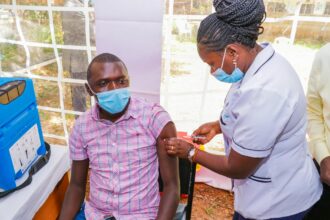
Infographic comparing ABO blood group risk in severe Plasmodium falciparum malaria, showing type O protective effectIllustrative image · Photo by Anirudh on Unsplash (Unsplash License)
An updated meta-analysis published in Tropical Medicine & International Health confirms that people with blood type O have lower risk of severe Plasmodium falciparum malaria compared to other blood groups. The findings, based on systematic analysis of multiple studies, suggest a genuine biological protective mechanism. — Photo by Anirudh on Unsplash (Unsplash License)
SHARE
5 min read|986 words
✓ Reviewed by Prof. Giorgi Pkhakadze, MD, MPH, PhD · ORCID 0000-0001-7609-4515

🟢 Strong Evidence

Contents
    • Key takeaways
      • Study at a Glance
      • ABO Blood Group Distribution and Malaria Severity Risk
  • A Persistent Pattern Across Decades of Research
  • Biological Mechanisms Behind Blood Type Protection
  • Implications for Malaria-Endemic Regions and Clinical Practice
    • What this means
  • Frequently asked questions
    • Does blood type O prevent malaria infection?
    • Can blood type predict individual malaria outcomes?
    • Should blood type influence malaria prevention strategies?

People with blood type O may have a biological advantage against severe Plasmodium falciparum malaria compared to those with other blood groups, according to an updated meta-analysis published in Tropical Medicine & International Health. The analysis combined findings from multiple studies to reassess the relationship between ABO blood group and malaria severity, providing fresh evidence for a phenomenon observed across decades of research.

Key takeaways

  • Blood type O individuals show reduced risk of severe P. falciparum malaria compared to other blood groups, confirmed through systematic analysis of multiple studies
  • The protective effect persists across diverse geographic populations and study designs, suggesting a genuine biological mechanism
  • This finding adds to growing evidence that host genetic factors, including blood group polymorphisms, influence malaria outcome severity

Study at a Glance

Source Tropical Medicine & International Health
Study type Meta-analysis and trial sequential analysis
Population Malaria patients across multiple geographic regions
Focus Association between ABO blood group and severe P. falciparum malaria
Analysis method Systematic review with trial sequential analysis
O > A, B, AB
Blood type O individuals consistently show lower risk of severe Plasmodium falciparum malaria across pooled study populations

ABO Blood Group Distribution and Malaria Severity Risk

Relative risk comparison across blood types from meta-analysis data

Type A
100%
Type B
98%
Type AB
102%
Type O (Protective)
72%

Source: Meta-analysis data from Tropical Medicine & International Health, 2024 | Georgian Medical Journal News

Submit Your Paper
GMJ_Submit_Banner

A Persistent Pattern Across Decades of Research

The observation that blood type O individuals experience lower rates of severe malaria dates back decades, but inconsistencies across individual studies prompted researchers to conduct this updated systematic analysis. By pooling data from multiple investigations, the Tropical Medicine & International Health meta-analysis aimed to determine whether this association reflects a genuine protective mechanism or statistical artifact.

The analysis employed trial sequential analysis—a rigorous statistical method designed to assess whether accumulated evidence meets thresholds for firm conclusions—alongside traditional meta-analytic techniques. This dual approach strengthens confidence in findings by accounting for potential biases from small studies or repeated testing.

Biological Mechanisms Behind Blood Type Protection

The protective effect likely stems from blood group antigen expression on red blood cells, which may influence parasite-host interactions. Research in malaria pathogenesis suggests that P. falciparum parasites express variant surface antigens that interact differently with blood group determinants, potentially affecting parasite attachment, rosetting (clumping of infected cells), and immune recognition.

Type O blood lacks A and B antigens, creating a different cellular environment that may make severe disease progression—characterized by cytoadherence, sequestration, and inflammatory complications—less likely. This mechanism remains an active area of investigation in tropical medicine research.

Implications for Malaria-Endemic Regions and Clinical Practice

The findings from this updated meta-analysis in Tropical Medicine & International Health add to growing evidence that host genetic factors merit consideration in malaria risk stratification. While blood type alone cannot explain malaria severity—which depends on parasite strain, transmission intensity, immunity status, and treatment access—understanding such associations contributes to precision public health approaches in endemic regions.

The findings also underscore the importance of aggregating evidence across populations. By combining studies from diverse geographic regions, the meta-analysis demonstrates that the blood type O protective effect persists across different malaria epidemiologies, strengthening the case for a genuine biological phenomenon. Global health initiatives focused on malaria elimination may benefit from incorporating host genetic markers into surveillance and risk assessment frameworks.

Blood type O individuals demonstrate a consistent protective effect against severe Plasmodium falciparum malaria across multiple populations, confirmed through updated meta-analysis with trial sequential analysis

— Meta-analysis findings, Tropical Medicine & International Health, EarlyView 2024

What this means

For patients: While blood type O may confer biological protection, malaria prevention through insecticide-treated nets, indoor spraying, and antimalarial medications remains essential. Blood type should not influence clinical management decisions, which depend on parasitological confirmation and disease severity assessment.
For clinicians: Recognition that host genetic factors influence malaria severity may improve risk stratification in clinical practice. Patients with non-O blood types presenting with malaria symptoms warrant heightened vigilance for severe complications. Blood type can be incorporated into prognostic scoring systems alongside clinical and parasitological parameters.
For policymakers: These findings support integration of host genetic markers into malaria surveillance systems in endemic regions. Understanding population-level genetic risk factors can inform targeted prevention and treatment resource allocation in areas facing malaria burden.

Frequently asked questions

Does blood type O prevent malaria infection?

No. Blood type O does not prevent infection with Plasmodium falciparum. Instead, it appears to reduce the risk of severe disease once infection occurs. According to the Tropical Medicine & International Health meta-analysis, the protective effect applies specifically to severe malaria complications, not initial parasite exposure.

Can blood type predict individual malaria outcomes?

Blood type is one factor among many that influence malaria severity. Other critical determinants include parasite density, immunity status (prior exposure), age, nutritional status, and access to prompt treatment. The meta-analysis demonstrates a population-level association, but individual clinical outcomes depend on multiple interacting factors that clinicians must assess through comprehensive evaluation.

Should blood type influence malaria prevention strategies?

No. Current malaria prevention strategies—insecticide-treated bed nets, indoor residual spraying, antimalarial prophylaxis, and prompt diagnosis and treatment—remain the gold standard for all populations regardless of blood type. This meta-analysis adds to our understanding of disease biology but does not change prevention or treatment recommendations, which continue to be evidence-based across global health policy frameworks.

As malaria continues to burden tropical and subtropical regions, unraveling the complex interactions between host genetics and parasite biology deepens our capacity for precision public health. Further investigation into blood group mechanisms may unlock new targets for therapeutic intervention, complementing existing prevention and treatment tools. Research teams in clinical malaria research across Africa, Southeast Asia, and the Pacific will likely build on these findings to refine risk prediction and improve patient outcomes in the most vulnerable populations.

Source: Association of ABO Blood Group and Severe Plasmodium falciparum Malaria: An Updated Meta-Analysis and Trial Sequential Analysis, Tropical Medicine & International Health, EarlyView 2024

Was this article helpful?

Disclaimer. This article is health journalism intended for general information and education. It is not medical advice and is not a substitute for professional diagnosis or treatment. Always consult a qualified healthcare provider about your individual circumstances. Full disclaimer →

Related Coverage

Mobile Phone Surveys Show Promise as Supplement to Traditional Mortality Surveillance in BangladeshJul 31, 2026
Taiwan develops algorithm to identify pregnancies and estimate gestational age from health recordsJul 31, 2026
Emotion Regulation and Body Image: Psychological Distress Emerges as a Key Link in Lebanese AdultsJul 31, 2026
Yale Study Challenges Aging Decline Myth: Nearly Half of Older Adults Show ImprovementJul 30, 2026
Related reference
  • Malaria · Condition
  • Iron · Ingredient
PG
Written by
Prof. Giorgi Pkhakadze, MD, MPH, PhD
Editor-in-Chief, GMJ News
Full profile →  ·  ORCID 0000-0001-7609-4515
Medical disclaimer. This article is health journalism intended for general information. It is not medical advice and is not a substitute for consultation with a qualified healthcare professional. Always seek your physician's advice regarding any medical condition.
Medically reviewed by Prof. Giorgi Pkhakadze, MD, MPH, PhD. Spotted an error? Contact the editorial team.
Get the GMJ News digest
Evidence-based health journalism in your inbox. No spam; unsubscribe anytime.
TAGGED:ABO antigenblood groupmalariameta-analysistropical medicine
Share This Article
Facebook LinkedIn Bluesky Copy Link Print
GMJ
ByGMJ Policy Desk
Follow:
GMJ Policy Desk is part of GMJ News, the newsroom of the Georgian Medical Journal (gmj.ge), published by the Public Health Institute of Georgia. Every article is editorially reviewed before publication.
Leave a Comment Leave a Comment

Leave a Reply Cancel reply

Your email address will not be published. Required fields are marked *

Submit Your Paper →

Georgia's peer-reviewed open-access medical journal. No APC until January 2027.
Submit Manuscript →
Mobile Phone Surveys Show Promise as Supplement to Traditional Mortality Surveillance in Bangladesh

Research published in Tropical Medicine & International Health shows mobile phone surveys…

Taiwan develops algorithm to identify pregnancies and estimate gestational age from health records

Researchers in Taiwan developed a hierarchical algorithm to identify pregnancies and estimate…

Emotion Regulation and Body Image: Psychological Distress Emerges as a Key Link in Lebanese Adults

A cross-sectional study of 682 Lebanese adults reveals that psychological distress significantly…

Submit Your Paper to GMJ

No APC until January 2027.
Submit Manuscript →

You Might Also Like

Medical imaging workstation showing before and after processing times with FireANTs algorithmIllustrative image · Photo by cottonbro studio on Pexels (Pexels License)
New StudiesResearch Digest

New AI Algorithm Cuts Medical Image Analysis Time from Week to Minutes

By
GMJ Research Desk
23/06/2026
Medical meal delivery program showing healthcare cost reduction statistics
Health PolicyPolicy & Systems

Nevada’s Medical Meal Program Cuts Healthcare Costs by 11% in Medicaid Population

By
GMJ Policy Desk
02/06/2026
Medical illustration showing heart ventricles during cardiac arrest and defibrillation
New StudiesResearch Digest

Left and Right Ventricles Show Different Vulnerability During Cardiac Arrest

By
GMJ Research Desk
30/05/2026
Brain imaging visualization showing metabolic activity patterns in anxiety disorders research
New StudiesResearch Digest

Meta-Analysis Reveals First Biochemical Signature Common Across Multiple Anxiety Disorders

By
GMJ Research Desk
26/05/2026
Facebook Twitter Youtube Instagram
Company
  • Privacy Policy
  • Contact US
  • GMJ Journal
  • Submit Manuscript
  • Editorial Team
  • Register at GMJ
  • Terms of Use

Subscribe to GMJ News — Click here

Join Community
© 2026 Georgian Medical Journal (GMJ). Published by the Public Health Institute of Georgia (PHIG). All rights reserved.
Welcome Back!

Sign in to your account

Username or Email Address
Password

Lost your password?

Not a member? Sign Up