By using this site, you agree to the Privacy Policy and Terms of Use.
Accept
GMJ NewsGMJ NewsGMJ News
  • Latest News
    • GMJ Briefs
  • Podcast & Media
    • Podcast Episodes
    • GMJ Audio
    • GMJ Videos
  • Research Digest
    • New Studies
    • Georgian Research
    • Data & Numbers
  • Policy & Systems
    • Health Policy
    • Quality & Safety
    • Migration & Health
    • Global Health
  • Practice
    • Clinical Updates
    • Case Discussions
    • Pharmacy & Prescribing
  • Perspectives
    • Editorial
    • Explainers
    • Voices
    • Letters
  • GMJ Articles
    • Vol. 1 Issue 2 (2026)
    • Vol. 1 Issue 1 (2026)
    • Pre-Launch Articles (2025)
  • Read the Journal →
  • About GMJ News
Notification Show More
Font ResizerAa
GMJ NewsGMJ News
Font ResizerAa
  • Latest News
    • GMJ Briefs
  • Podcast & Media
    • Podcast Episodes
    • GMJ Audio
    • GMJ Videos
  • Research Digest
    • New Studies
    • Georgian Research
    • Data & Numbers
  • Policy & Systems
    • Health Policy
    • Quality & Safety
    • Migration & Health
    • Global Health
  • Practice
    • Clinical Updates
    • Case Discussions
    • Pharmacy & Prescribing
  • Perspectives
    • Editorial
    • Explainers
    • Voices
    • Letters
  • GMJ Articles
    • Vol. 1 Issue 2 (2026)
    • Vol. 1 Issue 1 (2026)
    • Pre-Launch Articles (2025)
  • Read the Journal →
  • About GMJ News
Follow US
GMJ News > Practice > Clinical Updates > High-Dose Zinc Supplements May Create Copper Deficiency, Warn Nutrition Experts
Clinical UpdatesPractice

High-Dose Zinc Supplements May Create Copper Deficiency, Warn Nutrition Experts

GMJ
Last updated: 27/05/2026 16:41
By
GMJ News Desk
Share
5 Min Read
Diagram showing zinc and copper mineral absorption competition in intestinal cells
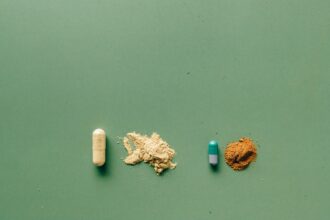
High-dose zinc supplements create dangerous copper deficiency through competitive absorption, leading to anemia and immune dysfunction. Experts recommend balanced 15:1 ratios to prevent supplement-induced mineral imbalances. — Photo: Daria / Pexels
SHARE
🎧 Listen to this article4:45 min · 668 words · GMJ Audio

Contents
      • Daily Mineral Requirements vs Common Supplement Doses
  • Competing Minerals Create Absorption Interference
  • Clinical Signs Point to Hidden Deficiency
  • Optimal Ratios Support Synergistic Function
    • Key takeaways
  • Frequently asked questions
    • How long does it take for zinc supplements to cause copper deficiency?
    • Can you get too much copper from food sources alone?
    • Should zinc and copper supplements be taken at the same time?

High-dose zinc supplementation without adequate copper intake creates a dangerous mineral imbalance that can lead to anemia, fatigue, and immune dysfunction, according to emerging evidence from nutritional biochemistry research. The two essential trace minerals compete for the same intestinal transport pathways, creating what experts describe as a “supplement-induced deficiency paradox.”

30:1
ratio of zinc to copper that triggers absorption interference

Daily Mineral Requirements vs Common Supplement Doses

Recommended intake versus typical supplement amounts, milligrams per day

Zinc Supplements
30 mg
Zinc RDA (Men)
11 mg
Zinc RDA (Women)
8 mg
Copper RDA

0.9 mg

Source: US Dietary Guidelines, 2024 | Georgian Medical Journal News

Submit Your Paper
GMJ_Submit_Banner

Competing Minerals Create Absorption Interference

Zinc and copper utilize the same metallothionein transport proteins in the small intestine, creating direct competition for absorption. When zinc intake exceeds 15-30 mg daily, copper absorption decreases significantly, according to research published in the American Journal of Clinical Nutrition.

🎙️ Related Podcast Episodes
🎧 #11 | WHO Urges Schools Worldwide to Promote Healthy Eating for Children · 20m

The mechanism involves zinc-induced metallothionein synthesis, which binds copper and prevents its absorption into systemic circulation. This bound copper is subsequently lost during normal intestinal cell turnover, creating what researchers term “competitive exclusion deficiency.”

Dr. Janet King, professor emeritus of nutritional sciences at UC Berkeley, has documented cases where zinc supplementation at 50 mg daily produced copper deficiency symptoms within 10 weeks. For comprehensive coverage of supplement interactions, see our pharmacy and prescribing updates.

Clinical Signs Point to Hidden Deficiency

Copper deficiency manifests as anemia that fails to respond to iron supplementation, according to case series published in Blood. Patients typically present with fatigue, neutropenia (low white blood cell count), and neurological symptoms including peripheral neuropathy.

The condition often goes undiagnosed because copper levels are rarely tested in routine blood panels. Serum ceruloplasmin, the copper-carrying protein, provides a more reliable marker than serum copper alone, researchers note in Nutrition Research.

Additional symptoms include impaired immune function, cardiovascular abnormalities, and connective tissue disorders. These effects reflect copper’s role in lysyl oxidase, cytochrome c oxidase, and superoxide dismutase enzyme systems. Our clinical updates section provides ongoing coverage of trace mineral research.

Optimal Ratios Support Synergistic Function

Both minerals function as cofactors in copper-zinc superoxide dismutase, the body’s primary antioxidant defense enzyme, according to biochemical studies in Free Radical Biology and Medicine. This partnership extends to immune cell maturation, collagen synthesis, and neurotransmitter production.

The World Health Organization recommends maintaining zinc-to-copper ratios between 8:1 and 12:1 for optimal physiological function. Supplementation ratios should mirror this balance, with 1 mg copper provided for every 15-30 mg zinc, according to the Institute of Medicine guidelines.

Zinc supplementation at doses exceeding 30 mg daily for more than 8 weeks consistently produces measurable copper deficiency in healthy adults, with symptoms appearing within 10 weeks of initiation.

— Dr. Janet King, UC Berkeley Nutritional Sciences (American Journal of Clinical Nutrition, 2001)

Key takeaways

  • Zinc supplements above 15 mg daily should include 1-2 mg copper to prevent deficiency
  • Copper deficiency from high-dose zinc causes anemia unresponsive to iron therapy
  • Food sources provide balanced ratios naturally—shellfish, organ meats, and nuts contain both minerals

Frequently asked questions

How long does it take for zinc supplements to cause copper deficiency?

Clinical studies show measurable copper depletion within 4-6 weeks of high-dose zinc supplementation (>30 mg daily). Symptoms typically appear at 8-10 weeks, according to controlled trials published in nutritional journals.

Can you get too much copper from food sources alone?

Copper toxicity from food is extremely rare due to natural regulatory mechanisms. The tolerable upper limit is 10 mg daily, far above typical dietary intake of 1-2 mg from whole foods like shellfish, organ meats, and dark chocolate.

Should zinc and copper supplements be taken at the same time?

Combined zinc-copper supplements are preferable to separate dosing, as they’re formulated to minimize competitive absorption. If taking separately, space doses 2-3 hours apart to reduce interference effects.

Understanding mineral interactions becomes increasingly important as supplement use rises globally, particularly among populations seeking immune support. Healthcare providers should consider baseline copper status before recommending long-term zinc supplementation, and patients should prioritize food sources that naturally provide balanced mineral profiles over isolated supplements whenever possible.

Source: Zinc + Copper: The Ratio That Really Matters

TAGGED:copper deficiencymineral absorptionnutritional biochemistrysupplement safetyzinc supplements
Share This Article
Facebook LinkedIn Bluesky Copy Link Print
Leave a Comment Leave a Comment

Leave a Reply Cancel reply

Your email address will not be published. Required fields are marked *

Submit Your Paper →

Georgia's peer-reviewed open-access medical journal. No APC until January 2027.
Submit Manuscript →
Small-Molecule Drugs Enable Safer, More Precise Therapeutic Genome Editing

New research shows small-molecule drugs can precisely control therapeutic genome editing, achieving…

Laser Heat Treatment Shows Promise in Preventing Age-Related Blindness

Finnish researchers develop laser heat therapy that could prevent blindness in millions…

Cohort Studies of Interventions Face Critical Outcome Reporting Gaps, BMJ Analysis Reveals

New BMJ analysis reveals cohort studies examining medical interventions lack the registration…

Submit Your Paper to GMJ

No APC until January 2027.
Submit Manuscript →

You Might Also Like

Medical chart comparing NSAID exposure and congenital malformations in pregnancy
Pharmacy & Prescribing

First-Trimester NSAIDs and Birth Defects: Large Cohort Study Finds No Increased Risk

By
GMJ News Desk
19/05/2026
Pharmaceutical research laboratory with Parkinson's disease drug development
Clinical UpdatesPractice

Biogen-Denali Parkinson’s Drug Fails Phase 2 Trial, Highlighting Treatment Development Challenges

By
GMJ News Desk
23/05/2026
Diagram showing zinc and copper mineral absorption competition in intestinal cells
Clinical UpdatesPractice

High-Dose Zinc Supplements May Create Copper Deficiency, Warn Nutrition Experts

By
GMJ News Desk
27/05/2026
Scientific illustration showing zinc and copper interaction in intestinal cells with metallothionein protein
New StudiesResearch Digest

Zinc Supplements Above 50mg Deplete Copper Through Hidden Cellular Mechanism

By
GMJ News Desk
27/05/2026
GMJ News > Practice > Clinical Updates > High-Dose Zinc Supplements May Create Copper Deficiency, Warn Nutrition Experts
Clinical UpdatesPractice

High-Dose Zinc Supplements May Create Copper Deficiency, Warn Nutrition Experts

GMJ
Last updated: 27/05/2026 16:41
By
GMJ News Desk
Share
5 Min Read
Diagram showing zinc and copper mineral absorption competition in intestinal cells
High-dose zinc supplements create dangerous copper deficiency through competitive absorption, leading to anemia and immune dysfunction. Experts recommend balanced 15:1 ratios to prevent supplement-induced mineral imbalances. — Photo: Daria / Pexels
SHARE
🎧 Listen to this article4:45 min · 668 words · GMJ Audio

Contents
      • Daily Mineral Requirements vs Common Supplement Doses
  • Competing Minerals Create Absorption Interference
  • Clinical Signs Point to Hidden Deficiency
  • Optimal Ratios Support Synergistic Function
    • Key takeaways
  • Frequently asked questions
    • How long does it take for zinc supplements to cause copper deficiency?
    • Can you get too much copper from food sources alone?
    • Should zinc and copper supplements be taken at the same time?

High-dose zinc supplementation without adequate copper intake creates a dangerous mineral imbalance that can lead to anemia, fatigue, and immune dysfunction, according to emerging evidence from nutritional biochemistry research. The two essential trace minerals compete for the same intestinal transport pathways, creating what experts describe as a “supplement-induced deficiency paradox.”

30:1
ratio of zinc to copper that triggers absorption interference

Daily Mineral Requirements vs Common Supplement Doses

Recommended intake versus typical supplement amounts, milligrams per day

Zinc Supplements
30 mg
Zinc RDA (Men)
11 mg
Zinc RDA (Women)
8 mg
Copper RDA

0.9 mg

Source: US Dietary Guidelines, 2024 | Georgian Medical Journal News

Submit Your Paper
GMJ_Submit_Banner

Competing Minerals Create Absorption Interference

Zinc and copper utilize the same metallothionein transport proteins in the small intestine, creating direct competition for absorption. When zinc intake exceeds 15-30 mg daily, copper absorption decreases significantly, according to research published in the American Journal of Clinical Nutrition.

🎙️ Related Podcast Episodes
🎧 #11 | WHO Urges Schools Worldwide to Promote Healthy Eating for Children · 20m

The mechanism involves zinc-induced metallothionein synthesis, which binds copper and prevents its absorption into systemic circulation. This bound copper is subsequently lost during normal intestinal cell turnover, creating what researchers term “competitive exclusion deficiency.”

Dr. Janet King, professor emeritus of nutritional sciences at UC Berkeley, has documented cases where zinc supplementation at 50 mg daily produced copper deficiency symptoms within 10 weeks. For comprehensive coverage of supplement interactions, see our pharmacy and prescribing updates.

Clinical Signs Point to Hidden Deficiency

Copper deficiency manifests as anemia that fails to respond to iron supplementation, according to case series published in Blood. Patients typically present with fatigue, neutropenia (low white blood cell count), and neurological symptoms including peripheral neuropathy.

The condition often goes undiagnosed because copper levels are rarely tested in routine blood panels. Serum ceruloplasmin, the copper-carrying protein, provides a more reliable marker than serum copper alone, researchers note in Nutrition Research.

Additional symptoms include impaired immune function, cardiovascular abnormalities, and connective tissue disorders. These effects reflect copper’s role in lysyl oxidase, cytochrome c oxidase, and superoxide dismutase enzyme systems. Our clinical updates section provides ongoing coverage of trace mineral research.

Optimal Ratios Support Synergistic Function

Both minerals function as cofactors in copper-zinc superoxide dismutase, the body’s primary antioxidant defense enzyme, according to biochemical studies in Free Radical Biology and Medicine. This partnership extends to immune cell maturation, collagen synthesis, and neurotransmitter production.

The World Health Organization recommends maintaining zinc-to-copper ratios between 8:1 and 12:1 for optimal physiological function. Supplementation ratios should mirror this balance, with 1 mg copper provided for every 15-30 mg zinc, according to the Institute of Medicine guidelines.

Zinc supplementation at doses exceeding 30 mg daily for more than 8 weeks consistently produces measurable copper deficiency in healthy adults, with symptoms appearing within 10 weeks of initiation.

— Dr. Janet King, UC Berkeley Nutritional Sciences (American Journal of Clinical Nutrition, 2001)

Key takeaways

  • Zinc supplements above 15 mg daily should include 1-2 mg copper to prevent deficiency
  • Copper deficiency from high-dose zinc causes anemia unresponsive to iron therapy
  • Food sources provide balanced ratios naturally—shellfish, organ meats, and nuts contain both minerals

Frequently asked questions

How long does it take for zinc supplements to cause copper deficiency?

Clinical studies show measurable copper depletion within 4-6 weeks of high-dose zinc supplementation (>30 mg daily). Symptoms typically appear at 8-10 weeks, according to controlled trials published in nutritional journals.

Can you get too much copper from food sources alone?

Copper toxicity from food is extremely rare due to natural regulatory mechanisms. The tolerable upper limit is 10 mg daily, far above typical dietary intake of 1-2 mg from whole foods like shellfish, organ meats, and dark chocolate.

Should zinc and copper supplements be taken at the same time?

Combined zinc-copper supplements are preferable to separate dosing, as they’re formulated to minimize competitive absorption. If taking separately, space doses 2-3 hours apart to reduce interference effects.

Understanding mineral interactions becomes increasingly important as supplement use rises globally, particularly among populations seeking immune support. Healthcare providers should consider baseline copper status before recommending long-term zinc supplementation, and patients should prioritize food sources that naturally provide balanced mineral profiles over isolated supplements whenever possible.

Source: Zinc + Copper: The Ratio That Really Matters

TAGGED:copper deficiencymineral absorptionnutritional biochemistrysupplement safetyzinc supplements
Share This Article
Facebook LinkedIn Bluesky Copy Link Print
Leave a Comment Leave a Comment

Leave a Reply Cancel reply

Your email address will not be published. Required fields are marked *

Submit Your Paper →

Georgia's peer-reviewed open-access medical journal. No APC until January 2027.
Submit Manuscript →
Bananas in Berry Smoothies Cut Antioxidant Absorption by 84%, Study Finds

New research shows bananas can reduce antioxidant absorption from berry smoothies by…

Laughter Helps Children’s Brain Resilience and Learning, Says Child Development Expert

New research from Middlesex University shows laughter builds brain resilience in children…

Alternative Health Plans Surge as ACA Premium Tax Credits Expire

Enhanced ACA premium tax credits expired, driving 45% enrollment growth in alternative…

Submit Your Paper to GMJ

No APC until January 2027.
Submit Manuscript →

You Might Also Like

Anatomical diagram showing spinal nerve branches controlling different body systems and organs
Clinical UpdatesPractice

Spinal Nerve Network Controls Body Functions Beyond Back Pain, Research Shows

By
GMJ News Desk
24/05/2026
Clinical laboratory showing advanced cell and gene therapy preparation in a controlled environment
Clinical Updates

New guidance on advanced therapy clinical trials: What researchers need to know

By
GMJ News Desk
20/05/2026
Infographic showing pharmaceutical waste management statistics among Malaysian pharmacists
Pharmacy & Prescribing

Malaysian Pharmacists Show Critical Gaps in Pharmaceutical Waste Management

By
GMJ News Desk
21/05/2026
CAR-T cell attacking autoimmune B cells under microscope
Clinical UpdatesPractice

CAR-T Cell Therapy Shows Promise for ‘Resetting’ Autoimmune Disease

By
GMJ News Desk
27/05/2026
Facebook Twitter Youtube Instagram
Company
  • Privacy Policy
  • Contact US
  • GMJ Journal
  • Submit Manuscript
  • Editorial Team
  • Register at GMJ
  • Terms of Use

Subscribe to GMJ News — Click here

Join Community
© 2026 Georgian Medical Journal (GMJ). Published by the Public Health Institute of Georgia (PHIG). All rights reserved.
Welcome Back!

Sign in to your account

Username or Email Address
Password

Lost your password?

Not a member? Sign Up