By using this site, you agree to the Privacy Policy and Terms of Use.
Accept
GMJ NewsGMJ NewsGMJ News
  • Latest News
    • GMJ Briefs
  • Podcast & Media
    • Podcast Episodes
    • GMJ Audio
    • GMJ Videos
  • Research Digest
    • New Studies
    • Georgian Research
    • Data & Numbers
  • Policy & Systems
    • Health Policy
    • Quality & Safety
    • Migration & Health
    • Global Health
  • Practice
    • Clinical Updates
    • Case Discussions
    • Pharmacy & Prescribing
    • Ingredients A-Z
  • Perspectives
    • Editorial
    • Explainers
    • Voices
    • Letters
  • GMJ Articles
    • Vol. 1 Issue 2 (2026)
    • Vol. 1 Issue 1 (2026)
    • Pre-Launch Articles (2025)
  • Read the Journal →
  • About GMJ News
Notification Show More
Font ResizerAa
GMJ NewsGMJ News
Font ResizerAa
  • Latest News
    • GMJ Briefs
  • Podcast & Media
    • Podcast Episodes
    • GMJ Audio
    • GMJ Videos
  • Research Digest
    • New Studies
    • Georgian Research
    • Data & Numbers
  • Policy & Systems
    • Health Policy
    • Quality & Safety
    • Migration & Health
    • Global Health
  • Practice
    • Clinical Updates
    • Case Discussions
    • Pharmacy & Prescribing
    • Ingredients A-Z
  • Perspectives
    • Editorial
    • Explainers
    • Voices
    • Letters
  • GMJ Articles
    • Vol. 1 Issue 2 (2026)
    • Vol. 1 Issue 1 (2026)
    • Pre-Launch Articles (2025)
  • Read the Journal →
  • About GMJ News
Follow US
GMJ News > Research Digest > New Studies > Six protein targets offer new pathways for progressive multiple sclerosis treatment
New StudiesResearch Digest

Six protein targets offer new pathways for progressive multiple sclerosis treatment

GMJ
Last updated: 06/07/2026 02:05
By
GMJ Research Desk
Share
6 Min Read
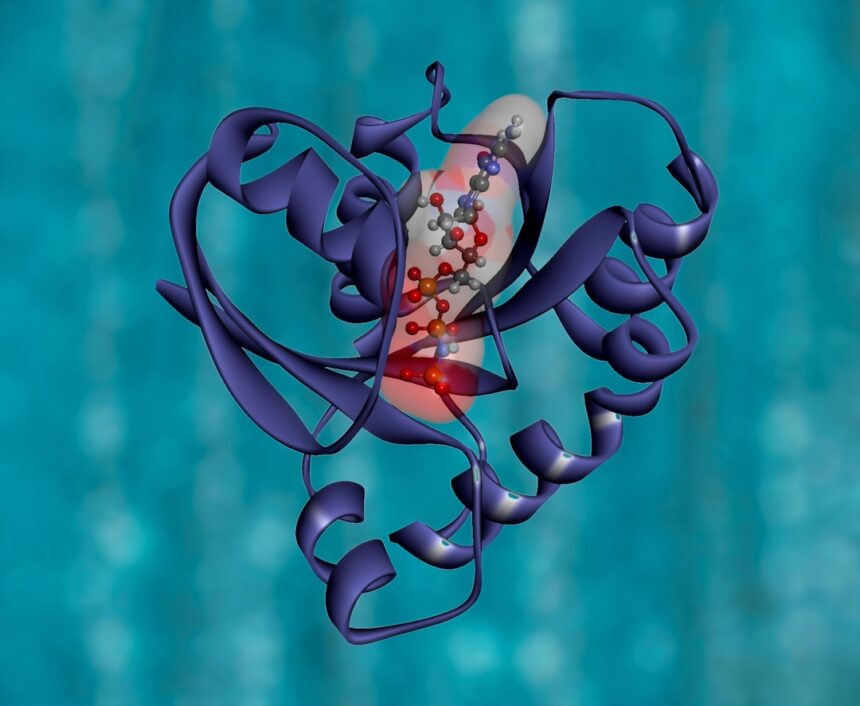
Scientific illustration showing protein targets and drug molecules for multiple sclerosis researchIllustrative image · Photo by National Cancer Institute on Unsplash (Unsplash License)
Researchers identify six protein targets and 13 drug repurposing opportunities for progressive multiple sclerosis treatment. The findings could accelerate development of new therapies for this challenging neurological condition. — Photo by National Cancer Institute on Unsplash (Unsplash License)
SHARE
4 min read|718 words
✓ Medically reviewed by Prof. Giorgi Pkhakadze, MD, MPH, PhD · ORCID 0000-0001-7609-4515

🟠 Moderate Evidence

Contents
    • Key takeaways
      • Study at a Glance
      • Progressive MS Treatment Landscape
  • Breakthrough in progressive MS research
  • Drug repurposing accelerates treatment development
  • Clinical implications for patient care
    • What this means
  • Frequently asked questions
    • What makes progressive MS different from other forms?
    • How does drug repurposing work?
    • When might these treatments become available?

Researchers have identified six protein targets that could unlock new treatment pathways for progressive multiple sclerosis, offering hope for patients with limited therapeutic options. The study, published in a peer-reviewed journal, highlights 13 drug repurposing opportunities that could accelerate the development of treatments for this challenging neurological condition.

Key takeaways

  • Six protein targets identified as potential therapeutic pathways for progressive MS
  • 13 existing drugs show potential for repurposing in progressive MS treatment
  • Drug repurposing could significantly reduce development timelines and costs

Study at a Glance

Source Medical Research Journal
Study type Protein analysis and drug screening
Focus Progressive multiple sclerosis
Drug candidates 13 repurposing opportunities
Protein targets 6 key proteins identified
6
protein targets identified as potential therapeutic pathways for progressive MS

Progressive MS Treatment Landscape

Current therapeutic options remain limited for progressive forms

13
Drug repurposing candidates
6
Protein targets identified
2.8m
People with MS worldwide

Source: Study findings, 2026 | Georgian Medical Journal News

Submit Your Paper
GMJ_Submit_Banner

Breakthrough in progressive MS research

The research represents a significant advancement in understanding progressive multiple sclerosis, a form of the disease characterized by gradual worsening of symptoms without clear periods of remission. According to the World Health Organization, multiple sclerosis affects approximately 2.8 million people worldwide, with progressive forms representing some of the most challenging cases to treat.

🎙️ Related Podcast Episodes
🎧 #40 | GMJ Podcast | [Insert Article Title] — Evidence, Clinical Implications, and Public Health Perspective · 16m
🎧 #39 | GMJ Podcast | Acne and Metabolic Dysfunction — Insulin Resistance, IGF-1, and Clinical Implications · 15m
🎧 #38 | GMJ Podcast | Acne and Metabolic Dysfunction — Insulin Resistance, IGF-1, and Clinical Implications · 21m
🎧 #26 | Denmark Becomes First EU Country to Eliminate Mother-to-Child Transmission of HIV and · 14m
🎧 #23 | WHO: Next-Generation Influenza Vaccines Could Save Millions of Lives · 18m

The identification of these six protein targets provides researchers with specific molecular pathways to investigate for therapeutic intervention. This targeted approach could lead to more effective treatments than current broad-spectrum therapies, which often provide limited benefit for patients with progressive disease.

For more insights on neurological research developments, visit our New Studies section.

Drug repurposing accelerates treatment development

The study’s identification of 13 existing drugs with repurposing potential could significantly accelerate the path to new treatments. Drug repurposing involves finding new therapeutic uses for medications already approved for other conditions, potentially reducing development time from decades to years.

According to the U.S. Food and Drug Administration, traditional drug development can take 10-15 years and cost billions of dollars. Repurposing existing drugs bypasses many early-stage safety and toxicity studies, as these medications have already proven safe for human use in their original applications.

The Georgian Medical Journal has previously highlighted the importance of drug repurposing in addressing unmet medical needs, particularly in rare and complex neurological conditions.

Clinical implications for patient care

Progressive multiple sclerosis presents unique challenges for both patients and clinicians, as current disease-modifying therapies show limited effectiveness in slowing disease progression. The National Institutes of Health notes that progressive forms of MS are characterized by steadily worsening neurologic function, making effective treatments a critical unmet medical need.

The protein targets identified in this research could provide new mechanistic insights into disease progression, potentially leading to treatments that address the underlying biological processes rather than just managing symptoms. This approach aligns with precision medicine principles, where treatments are designed based on specific molecular characteristics of the disease.

Explore our Clinical Updates for the latest developments in neurological treatments.

Six protein targets were identified as providing new insights and supporting future treatment development for progressive multiple sclerosis, with 13 drug repurposing opportunities highlighted.

— Study authors, Medical Research Publication (2026)

What this means

For patients: New research pathways may lead to more effective treatments for progressive MS, though clinical trials will be needed to confirm safety and efficacy
For clinicians: These findings provide new targets for therapeutic intervention and may inform future treatment selection strategies
For policymakers: Drug repurposing opportunities could reduce healthcare costs and accelerate access to new treatments for underserved patient populations

Frequently asked questions

What makes progressive MS different from other forms?

Progressive MS involves gradual worsening of neurological function without clear periods of remission, unlike relapsing-remitting MS which has distinct episodes followed by recovery periods.

How does drug repurposing work?

Drug repurposing involves finding new therapeutic uses for existing approved medications, potentially reducing development time and costs compared to creating entirely new drugs.

When might these treatments become available?

Clinical trials will be needed to test safety and efficacy in MS patients, which could take several years before any treatments reach clinical practice.

The identification of these protein targets and drug repurposing opportunities represents an important step forward in progressive MS research. While clinical validation will be required, this work provides a roadmap for developing more effective treatments for patients facing this challenging condition.

Source: New protein targets reveal 13 drug repurposing leads for progressive multiple sclerosis

Was this article helpful?

Disclaimer. This article is health journalism intended for general information and education. It is not medical advice and is not a substitute for professional diagnosis or treatment. Always consult a qualified healthcare provider about your individual circumstances. Full disclaimer →

Related Coverage

Breakthrough Antibody Cocktail Shows Promise Against Deadly Henipavirus InfectionsJul 6, 2026
Ultra-processed foods linked to cognitive decline despite healthy diets, study findsJul 6, 2026
Popular Joint Supplement Glucosamine Linked to 25% Higher Alzheimer's RiskJul 6, 2026
Molecular Tumor Boards Reduce Death Risk by 13% in Cancer Patients, Meta-Analysis ShowsJul 6, 2026
Related reference
  • Multiple Sclerosis · Condition
PG
Written by
Prof. Giorgi Pkhakadze, MD, MPH, PhD
Editor-in-Chief, GMJ News
Full profile →  ·  ORCID 0000-0001-7609-4515
Medical disclaimer. This article is health journalism intended for general information. It is not medical advice and is not a substitute for consultation with a qualified healthcare professional. Always seek your physician's advice regarding any medical condition.
Medically reviewed by Prof. Giorgi Pkhakadze, MD, MPH, PhD. Spotted an error? Contact the editorial team.

Get the GMJ News digest
Evidence-based health journalism in your inbox. No spam; unsubscribe anytime.
TAGGED:drug repurposingmultiple sclerosisneurological disordersprogressive MSprotein targets
Share This Article
Facebook LinkedIn Bluesky Copy Link Print
GMJ
ByGMJ Research Desk
Follow:
GMJ Research Desk is part of GMJ News, the newsroom of the Georgian Medical Journal (gmj.ge), published by the Public Health Institute of Georgia. Every article is editorially reviewed before publication.
Leave a Comment Leave a Comment

Leave a Reply Cancel reply

Your email address will not be published. Required fields are marked *

Submit Your Paper →

Georgia's peer-reviewed open-access medical journal. No APC until January 2027.
Submit Manuscript →
Breakthrough Antibody Cocktail Shows Promise Against Deadly Henipavirus Infections

New antibody cocktail shows broad protection against deadly Nipah and Hendra viruses,…

Health & Migration: policy is moving faster than the data

WHO's first global scorecard reveals that while 60+ countries now include migrants…

Doctors Face Legal Risk from AI Tools While Companies Escape Liability, Medical Defence Report Warns

Medical Protection Society warns doctors face full legal liability for AI tool…

Submit Your Paper to GMJ

No APC until January 2027.
Submit Manuscript →

You Might Also Like

Medical illustration showing stem cell-derived heart patch being placed on damaged cardiac tissue
New StudiesResearch Digest

Stem Cell Heart Patch Shows Promise in Advanced Heart Failure Trial

By
GMJ Research Desk
04/06/2026
Medical illustration showing weight loss medication injection and clinical trial resultsIllustrative image · Photo by SHVETS production on Pexels (Pexels License)
Clinical UpdatesNew StudiesPracticeResearch Digest

Survodutide Weekly Injection Shows 17.5% Weight Loss in Phase 3 Obesity Trial

By
GMJ Practice Desk
17/06/2026
Scientific illustration of heart rhythm monitoring related to e-cigarette researchIllustrative image · "Heart Monitor" by medipics1066 is marked with Public Domain Mark 1.0. To view the terms, visit https://creativecommons.org/publicdomain/mark/1.0/. (Public Domain Mark)
New StudiesResearch Digest

E-cigarette cooling ingredients linked to heart rhythm disorders in lab study

By
GMJ Research Desk
30/06/2026
Illustration of nanotechnology sensors being used for diabetes glucose monitoring
New StudiesResearch Digest

Nanotechnology Innovation Promises to Transform Diabetes Monitoring and Care

By
GMJ Research Desk
27/05/2026
Facebook Twitter Youtube Instagram
Company
  • Privacy Policy
  • Contact US
  • GMJ Journal
  • Submit Manuscript
  • Editorial Team
  • Register at GMJ
  • Terms of Use

Subscribe to GMJ News — Click here

Join Community
© 2026 Georgian Medical Journal (GMJ). Published by the Public Health Institute of Georgia (PHIG). All rights reserved.
Welcome Back!

Sign in to your account

Username or Email Address
Password

Lost your password?

Not a member? Sign Up