By using this site, you agree to the Privacy Policy and Terms of Use.
Accept
GMJ NewsGMJ NewsGMJ News
  • Latest News
    • GMJ Briefs
  • Podcast & Media
    • Podcast Episodes
    • GMJ Audio
    • GMJ Videos
  • Research Digest
    • New Studies
    • Georgian Research
    • Data & Numbers
  • Policy & Systems
    • Health Policy
    • Quality & Safety
    • Migration & Health
    • Global Health
  • Practice
    • Clinical Updates
    • Case Discussions
    • Pharmacy & Prescribing
    • Ingredients A-Z
  • Perspectives
    • Editorial
    • Explainers
    • Voices
    • Letters
  • Health Topics
  • GMJ Articles
    • Vol. 1 Issue 2 (2026)
    • Vol. 1 Issue 1 (2026)
    • Pre-Launch Articles (2025)
  • Read the Journal →
  • About GMJ News
Notification Show More
Font ResizerAa
GMJ NewsGMJ News
Font ResizerAa
  • Latest News
    • GMJ Briefs
  • Podcast & Media
    • Podcast Episodes
    • GMJ Audio
    • GMJ Videos
  • Research Digest
    • New Studies
    • Georgian Research
    • Data & Numbers
  • Policy & Systems
    • Health Policy
    • Quality & Safety
    • Migration & Health
    • Global Health
  • Practice
    • Clinical Updates
    • Case Discussions
    • Pharmacy & Prescribing
    • Ingredients A-Z
  • Perspectives
    • Editorial
    • Explainers
    • Voices
    • Letters
  • Health Topics
  • GMJ Articles
    • Vol. 1 Issue 2 (2026)
    • Vol. 1 Issue 1 (2026)
    • Pre-Launch Articles (2025)
  • Read the Journal →
  • About GMJ News
Follow US
GMJ News > Research Digest > New Studies > E-cigarette cooling ingredients linked to heart rhythm disorders in lab study
New StudiesResearch Digest

E-cigarette cooling ingredients linked to heart rhythm disorders in lab study

GMJ
Last updated: 23/06/2026 18:42
By
GMJ Research Desk
Share
6 Min Read
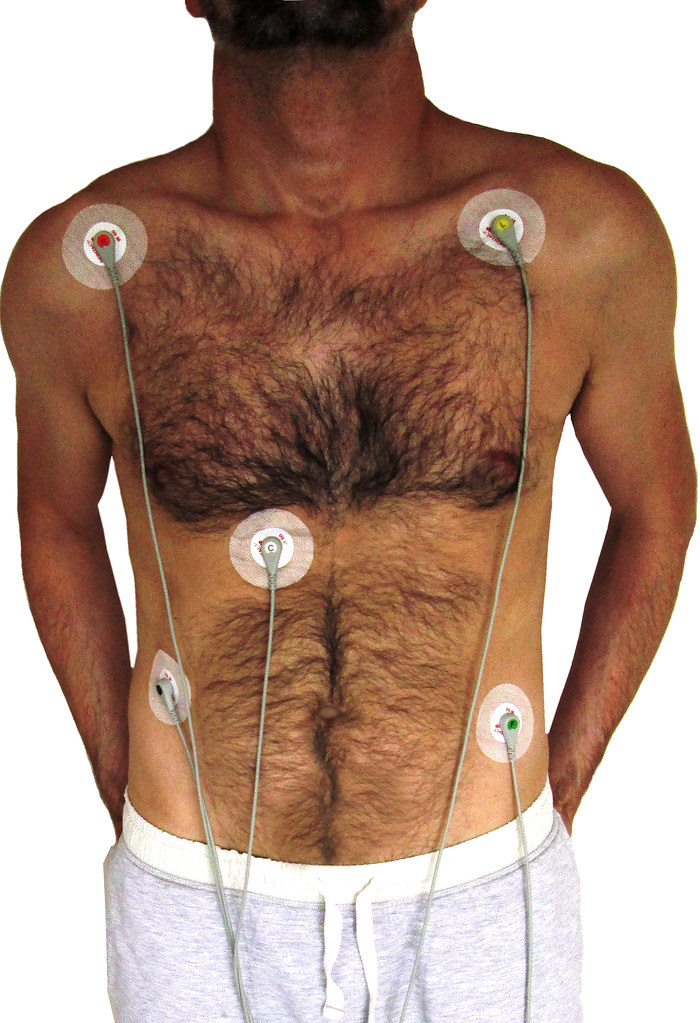
Scientific illustration of heart rhythm monitoring related to e-cigarette researchIllustrative image · "Heart Monitor" by medipics1066 is marked with Public Domain Mark 1.0. To view the terms, visit https://creativecommons.org/publicdomain/mark/1.0/. (Public Domain Mark)
Laboratory study finds synthetic cooling ingredients in e-cigarettes cause abnormal heart rhythms in mice and human heart cells. Research published in Circulation raises safety concerns about vaping additives. — "Heart Monitor" by medipics1066 is marked with Public Domain Mark 1.0. To view the terms, visit https://creativecommons.org/publicdomain/mark/1.0/. (Public Domain Mark)
SHARE
🎧 Listen to this article4:48 min · 687 words · GMJ Audio
3 min read|687 words
✓ Reviewed by GMJ News Editorial Team

🟠 Moderate Evidence

Contents
    • Key takeaways
      • Study at a Glance
      • E-cigarette ingredients and cardiac effects
  • Cooling agents trigger cardiac dysfunction
  • Laboratory findings raise safety concerns
  • Implications for e-cigarette regulation
    • What this means
  • Frequently asked questions
    • What are cooling ingredients in e-cigarettes?
    • How serious are the heart rhythm problems found in the study?
    • Should people stop using e-cigarettes with cooling ingredients?

Synthetic cooling ingredients commonly added to e-cigarettes cause abnormal heart rhythms and increase cardiovascular risk in laboratory models, according to new research published in Circulation: Arrhythmia and Electrophysiology. The study examined the effects of these cooling agents on both mice and lab-grown human heart cells, revealing concerning impacts on cardiac function.

Key takeaways

  • Cooling ingredients in e-cigarettes caused abnormal heart rhythms in laboratory models
  • Both mice and human heart cells showed increased cardiovascular risk measures
  • Study adds to growing evidence of e-cigarette health risks beyond nicotine addiction

Study at a Glance

Source Circulation: Arrhythmia and Electrophysiology
Study type Laboratory experimental study
Sample size Mice and lab-grown human heart cells
Population Laboratory models
Country United States
Abnormal heartbeats
caused by cooling ingredients in laboratory heart cells

E-cigarette ingredients and cardiac effects

Laboratory study results on cooling agents

Arrhythmias
Abnormal rhythms detected
CV Risk
Increased measures
Both
Mice & human cells affected

Source: Circulation: Arrhythmia and Electrophysiology, 2026 | Georgian Medical Journal News

Submit Your Paper
GMJ_Submit_Banner

Cooling agents trigger cardiac dysfunction

The research focused on synthetic cooling ingredients that manufacturers add to e-cigarettes to create menthol-like sensations without using natural menthol. These compounds, when tested on laboratory models, produced measurable changes in heart rhythm patterns and cellular function.

🎙️ Related Podcast Episodes
🎧 #14 | WHO: Four in Ten Cancer Cases Could Be Prevented Globally · 16m

The study examined both whole-animal models using mice and isolated human cardiac cells grown in laboratory conditions. Both experimental approaches demonstrated similar patterns of cardiac dysfunction when exposed to the cooling ingredients.

Researchers observed that the cooling agents disrupted normal electrical conduction in heart tissue. This disruption manifested as irregular heartbeats and altered cardiac cell behavior, according to the American Heart Association’s classification of arrhythmias.

Laboratory findings raise safety concerns

The experimental results showed increased cardiovascular risk measures across multiple parameters in both mouse models and human cell cultures. The cooling ingredients appeared to interfere with normal cardiac electrophysiology, the study found.

These findings add to existing research on e-cigarette health impacts, which has primarily focused on respiratory effects and nicotine addiction. The cardiovascular implications of vaping ingredients have received less attention in previous research studies.

The laboratory nature of the study means the results require validation in human clinical trials before definitive safety conclusions can be drawn. However, the consistency of effects across different experimental models strengthens the preliminary evidence base.

Implications for e-cigarette regulation

The research contributes to ongoing discussions about e-cigarette ingredient safety and regulatory oversight. Current regulations vary widely between countries, with some focusing primarily on nicotine content rather than flavoring additives.

The US Food and Drug Administration continues to evaluate the safety profile of various e-cigarette components as part of its tobacco product review process. The European Union has implemented restrictions on certain flavoring compounds, but cooling agents remain under review.

Public health experts emphasize that laboratory findings require careful interpretation when developing policy recommendations. The regulatory landscape for e-cigarettes continues to evolve as new research emerges.

Cooling ingredients in e-cigarettes caused abnormal heartbeats and increased cardiovascular risk measures in both mice and lab-grown human heart cells

— Research team, Circulation: Arrhythmia and Electrophysiology (2026)

What this means

For patients: Those using e-cigarettes with cooling ingredients should discuss potential cardiac risks with their healthcare providers
For clinicians: Consider asking patients about specific e-cigarette ingredients when assessing cardiovascular risk factors
For policymakers: Laboratory evidence supports further investigation of e-cigarette ingredient safety beyond nicotine content

Frequently asked questions

What are cooling ingredients in e-cigarettes?

These are synthetic compounds added to create menthol-like sensations without using natural menthol. They provide a cooling effect when inhaled.

How serious are the heart rhythm problems found in the study?

The laboratory study showed abnormal heartbeats and increased cardiovascular risk measures, but human clinical trials are needed to determine real-world significance.

Should people stop using e-cigarettes with cooling ingredients?

The study provides preliminary evidence of potential risks, but individuals should consult healthcare providers for personalized advice about e-cigarette use.

While this laboratory research provides important preliminary evidence about potential cardiac risks from e-cigarette cooling ingredients, human clinical studies will be necessary to confirm these findings in real-world settings. The consistency of effects across different experimental models suggests the need for continued safety evaluation of vaping product ingredients beyond traditional tobacco components.

Source: Cooling ingredients in e-cigarettes may cause irregular heartbeat or cardiac arrest

Was this article helpful?

Disclaimer. This article is health journalism intended for general information and education. It is not medical advice and is not a substitute for professional diagnosis or treatment. Always consult a qualified healthcare provider about your individual circumstances. Full disclaimer →

Related Coverage

Early immune markers could identify which TB-infected people will develop active diseaseAug 17, 2026
Air pollution drives school absences and health symptoms in Delhi and Dhaka youth, new study showsAug 17, 2026
Novel Prime-and-Pull Vaccine Strategy Shows Promise Against Genital Herpes in Preclinical ModelsAug 17, 2026
Deep Learning Unlocks Molecular Secrets in Meningioma Diagnosis Without Genetic TestingAug 17, 2026
Explore more on this topic:🧭 Cardiovascular Disease hub🧭 HIV/AIDS hub🧭 Tobacco hub
🔥 Most read this week
1Medicare’s AI Prior Authorization System Creates Patient Care Delays, Doctors Report
2Creatine Kidney Damage Myth Debunked by Major Safety Review of 26,000 Participants
3How Coffee Brewing Method Affects Cholesterol: The Science Behind Diterpenes and Filters
4How Coffee and Tea Reduce Iron Absorption: A Mechanism Explained
PG
Editorial oversight
Prof. Giorgi Pkhakadze, MD, MPH, PhD
Editor-in-Chief, GMJ News
Full profile →  ·  ORCID 0000-0001-7609-4515
Medical disclaimer. This article is health journalism intended for general information. It is not medical advice and is not a substitute for consultation with a qualified healthcare professional. Always seek your physician's advice regarding any medical condition.
Editorial standards. This article was produced under the GMJ News editorial process, with oversight by the GMJ Editorial Board. Our editorial process. Spotted an error? Contact the editorial team.

📬 GMJ Health Digest
Evidence-based medical news, once a week. Free, no spam, unsubscribe anytime.
TAGGED:cardiovascular riskcooling ingredientse-cigarettesheart arrhythmiavaping safety
Share This Article
Facebook LinkedIn Bluesky Copy Link Print
GMJ
ByGMJ Research Desk
Follow:
GMJ Research Desk is part of GMJ News, the newsroom of the Georgian Medical Journal (gmj.ge), published by the Public Health Institute of Georgia. Every article is editorially reviewed before publication.
Leave a Comment Leave a Comment

Leave a Reply Cancel reply

Your email address will not be published. Required fields are marked *

Submit Your Paper →

Georgia's peer-reviewed open-access medical journal. No APC until January 2027.
Submit Manuscript →
Butter vs Margarine: How Chemistry Determines Performance in Cooking and Health

The choice between butter and margarine is fundamentally rooted in chemistry. Butter's…

World Animal Health Organisation Issues First Global Guidelines for African Swine Fever Vaccines

The World Animal Health Organisation has published the first global harmonised guidelines…

Kwashiorkor: How Severe Protein Deficiency Disrupts Child Development

A clinical case in the New England Journal of Medicine highlights how…

Submit Your Paper to GMJ

No APC until January 2027.
Submit Manuscript →

You Might Also Like

Scientific illustration showing genetic diversity mapping across Indigenous American populations
New StudiesResearch Digest

Largest Indigenous American Genetic Study Maps 10,000 Years of Evolutionary Adaptation

By
GMJ Research Desk
30/05/2026
Diagram illustrating influenza transmission mechanisms: viral shedding, aerosol generation, and contact durationIllustrative image · Photo by National Institute of Allergy and Infectious Diseases on Unsplash (Unsplash License)
Clinical UpdatesNew StudiesPracticeResearch Digest

Close Contact Alone May Not Drive Influenza Transmission, Controlled Study Suggests

By
GMJ Practice Desk
27/07/2026
Medical professional discussing liver transplant care pathway with patient
Georgian ResearchGMJ ArticlesNew StudiesPre-Launch Articles (2025)

Georgia’s Liver Transplant Services Need Stronger Patient-Centred Systems, Study Shows

By
GMJ Research Desk
21/05/2026
Graph comparing US infant mortality trends to OECD peer nations over timeIllustrative image · Photo by Dream_ maKkerzz on Pexels (Pexels License)
Clinical UpdatesData & NumbersPracticeResearch Digest

US Infant Mortality Reaches Historic Low, Yet Lags Peer Nations

By
GMJ Practice Desk
09/07/2026
Facebook Twitter Youtube Instagram
Company
  • Privacy Policy
  • Contact US
  • GMJ Journal
  • Submit Manuscript
  • Editorial Team
  • Register at GMJ
  • Terms of Use

Subscribe to GMJ News — Click here

Join Community
© 2026 Georgian Medical Journal (GMJ). Published by the Public Health Institute of Georgia (PHIG). All rights reserved.
Welcome Back!

Sign in to your account

Username or Email Address
Password

Lost your password?

Not a member? Sign Up