


HIV/AIDS
GMJ News knowledge hub · last reviewed September 2026 · Georgian Medical Journal
SummaryStatisticsGlossaryGMJ newsFAQDocumentsOrganizationsResearch
Some 40 million people live with HIV, and about 630,000 died of HIV-related causes in 2023 — yet this is also medicine's great turnaround story: over 30 million people are on antiretroviral therapy, and treatment that achieves an undetectable viral load means the virus is untransmittable (U=U). The UNAIDS 95-95-95 targets frame the path to ending AIDS as a public-health threat by 2030, while long-acting injectable prevention — led by twice-yearly lenacapavir, Science's 2024 Breakthrough of the Year — could transform the epidemic if pricing and access allow. Equity, not science, is now the battleground GMJ News reports.
Key messages
Scale and progress
39.9 million people live with HIV globally (2023). 630,000 died of HIV-related causes in 2022 — a 69% fall from the 2004 peak, driven by antiretroviral therapy scale-up (UNAIDS 2022).
Treatment transforms lives
More than 29.8 million people were on ART in 2022 — the largest scale-up of treatment in medical history. ART controls HIV, prevents AIDS and allows people to live long, healthy lives.
U=U
Undetectable = Untransmittable: a person with HIV who achieves an undetectable viral load through ART cannot sexually transmit the virus. This is one of the most transformative scientific findings in HIV history.
95-95-95
UNAIDS targets 95% of people with HIV diagnosed; 95% of those diagnosed on treatment; 95% of those on treatment virally suppressed — the pathway to ending AIDS as a public health threat by 2030.
Prevention revolution
Long-acting injectable PrEP (lenacapavir, twice yearly) achieved 99.9% protection in trials — Science's 2024 Breakthrough of the Year. If accessible, it could transform prevention for the most at-risk populations.
Equity
Sub-Saharan Africa bears 65% of the global HIV burden. Women and girls, MSM, sex workers, people who inject drugs and transgender women face elevated risk compounded by legal and social discrimination.
Key statistics
HIV-related deaths worldwide (thousands) 2004-2022 — UNAIDS
Source: UNAIDS Global AIDS Update (annual series). Dramatic decline attributable to ART scale-up.
Glossary of key terms
Latest GMJ coverage

Disseminated herpes zoster with hepatic necrosis reveals late HIV diagnosis in young woman
22/08/2026
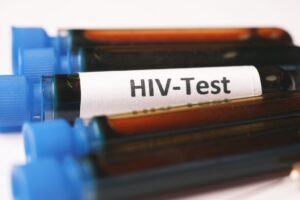
NHS Emergency Department HIV Testing Identifies 1,953 Previously Undiagnosed Cases Over Four Years
10/08/2026

Immigration stress and HIV care: structural barriers found in community study
04/08/2026
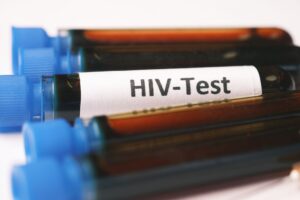
Defective HIV copies explain persistent viral traces in treated patients, new study reveals
05/07/2026
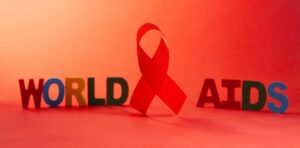
Global HIV/AIDS Progress at Risk as Funding Cuts Threaten Decades of Gains
27/06/2026
HIV infection triggers CD4+ T cells to transform into CD8+ cells, Science study reveals
07/06/2026
Frequently asked questions 12 Q&A — structured for Google featured snippets and AI discovery
Knowledge hub: guidelines, conventions and reports
Organizations working in migration and health
Related health topics
TuberculosisSTIsMigration and healthWomen's healthHepatitisUniversal health coverage
About this hub. Produced by the GMJ News Editorial Team as a public-good service. Every statistic is linked to its primary source. Documents are preserved in the GMJ Repository with full attribution. Georgian Medical Journal · Contact the editorial team