🟠 Moderate Evidence
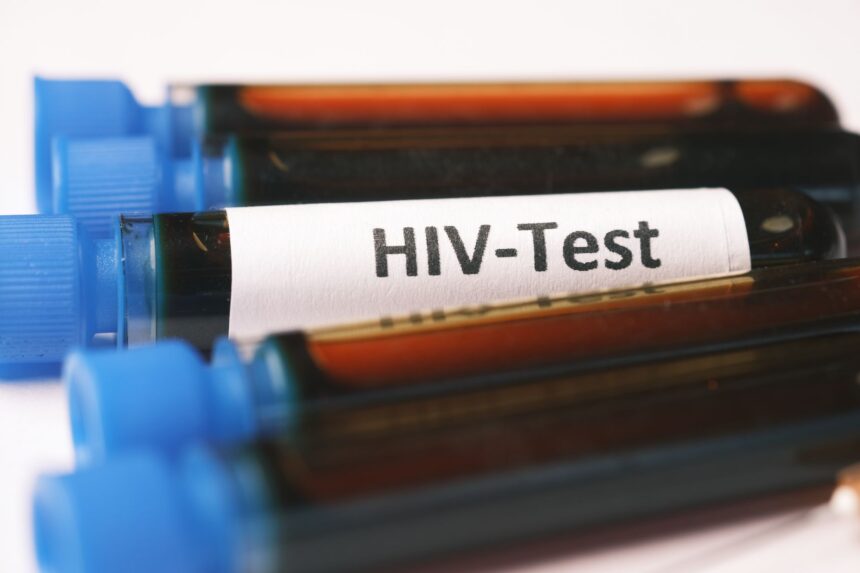
A large-scale NHS programme testing all patients requiring blood tests in emergency departments has identified 1,953 previously undiagnosed HIV cases across 88 areas of England over four years (2022–2026), according to newly released programme data. The initiative represents one of the first routine, large-scale HIV case-finding efforts integrated into acute care settings in a high-income health system, offering potential implications for earlier diagnosis and transmission prevention.
Key takeaways
- An NHS-wide A&E testing programme identified 1,953 previously undiagnosed HIV cases over four years across 88 English regions
- Routine HIV testing of all A&E patients requiring blood work aims to reduce late diagnoses and secondary transmission
- Early identification enables faster entry to antiretroviral therapy, which reduces onward transmission to near-zero levels (viral suppression)
- The model demonstrates feasibility of integrating HIV screening into routine emergency care without additional blood draws
NHS HIV Testing Programme: Four-Year Case Detection (England, 2022–2026)
Number of newly identified HIV diagnoses by programme year
Source: NHS England Programme Data, 2026 | Georgian Medical Journal News

A Silent Epidemic Made Visible in Emergency Departments
According to NHS England programme data, approximately 103,000 adults in England are living with diagnosed HIV, yet an estimated 8,000–10,000 remain unaware of their status. The A&E testing initiative targets this undiagnosed reservoir by integrating HIV screening into routine emergency department blood draws, requiring no additional needlestick and minimal additional laboratory burden. This approach has been endorsed by the British HIV Association (BHIVA), which notes that emergency departments represent high-contact points for individuals who may rarely engage with primary care.
The 1,953 newly diagnosed individuals represent cases who would likely have progressed to advanced immunodeficiency if left undetected, according to epidemiological modelling cited in NHS communications. Late-stage diagnosis (CD4 count <200 cells/μL) increases mortality risk in the first year of treatment and extends time to viral suppression, whereas early diagnosis enables rapid initiation of modern single-tablet antiretroviral regimens that reduce viral load to undetectable levels within weeks.
Clinical and Public Health Implications of Early Case Finding
Early identification through A&E testing creates cascading clinical benefits. Once diagnosed, individuals can be linked to HIV treatment services within days, initiating antiretroviral therapy that renders HIV undetectable and untransmittable (U=U), according to BHIVA guidelines. This prevents onward transmission to sexual partners and, if applicable, vertical transmission during pregnancy—outcomes documented in landmark research on viral suppression and transmission risk.
From a public health perspective, the 1,953 cases identified in this programme represent prevented onward transmissions. Modelling suggests that each person diagnosed and treated averts approximately 0.3–0.5 secondary infections over their lifetime, according to analysis presented by the National AIDS Trust. This creates a health system return on investment through reduced future HIV treatment demand and prevented preventable deaths.
Implementation Feasibility and Equity Considerations
The rollout to 88 areas of England demonstrates technical and operational feasibility at scale. The programme integrates opt-out HIV testing into existing A&E blood draw workflows, reducing the barrier of patients requiring a separate counselling session. However, access remains stratified by geography and healthcare-seeking behaviour—individuals who do not present to emergency departments remain undetected. This includes homeless populations, undocumented migrants, and those with limited NHS engagement, as noted in migration and health equity literature.
Future expansion could extend similar routines to other high-contact clinical settings, including urgent care centres, sexual health clinics, and primary care, to further shrink the undiagnosed pool. Current BHIVA guidance recommends HIV testing for all patients aged 15–65 presenting to acute services in areas with HIV prevalence ≥2 per 1,000 population.
The NHS A&E testing programme identified 1,953 previously undiagnosed HIV cases across 88 English regions over four years, demonstrating that routine opt-out screening in emergency departments is feasible and identifies individuals who would otherwise progress to advanced disease.
— NHS England, HIV Testing Programme Data (2026)
What this means
Next Steps and Global Context
The NHS model mirrors strategies deployed by WHO’s “Catch Them Early” initiative, which advocates routine HIV testing in acute care settings in high-prevalence areas. Similar programmes in Australia, Canada, and parts of the United States have reported comparable case-finding yields. Continued monitoring of the NHS programme will assess long-term retention in care and viral suppression rates among the 1,953 newly diagnosed individuals. Health policy updates and clinical practice changes related to HIV screening are tracked by the Georgian Medical Journal News.
The scale of undiagnosed HIV in high-income settings underscores the ongoing need for proactive case-finding beyond voluntary testing. The NHS A&E programme provides a replicable model for other health systems aiming to achieve WHO’s 95-95-95 targets by 2030. Further research on patient outcomes, retention rates, and cost-effectiveness in this cohort will inform global HIV screening guidelines.
Frequently asked questions
Will I be tested for HIV without my consent if I go to A&E?
The NHS A&E programme uses an opt-out model, meaning you will be offered HIV testing as part of routine blood work unless you decline. This approach balances case-finding efficiency with patient autonomy. You have the right to refuse testing at any time. BHIVA guidance emphasises informed consent and post-test counselling.
How quickly can I start treatment if I test positive in A&E?
Once diagnosed, you will be referred to an HIV treatment service for a baseline CD4 count and resistance testing. Modern single-tablet antiretroviral regimens (e.g. bictegravir/tenofovir alafenamide) can be initiated within days and achieve viral suppression (undetectable viral load) within 4–12 weeks, depending on baseline CD4 count. Early treatment prevents disease progression and stops transmission.
Does the NHS A&E test replace voluntary HIV testing at sexual health clinics?
No. A&E testing complements, rather than replaces, specialist sexual health services. Sexual health clinics offer comprehensive STI screening, contraception counselling, and pre-exposure prophylaxis (PrEP) for HIV-negative individuals at risk. The A&E programme captures incidental cases among emergency patients; it does not substitute for targeted sexual health services or preventive testing in high-risk populations.
The NHS A&E HIV testing programme represents a landmark shift in case-finding strategy, moving from voluntary opt-in testing to routine opt-out screening in high-contact clinical settings. With nearly 2,000 diagnoses made over four years, the model validates large-scale integration of HIV screening into emergency care workflows and supports earlier diagnosis, faster treatment initiation, and reduced onward transmission. As the programme reaches its fifth operational year, continued data collection on retention, viral suppression, and secondary transmission prevention will inform whether similar approaches should expand to primary care and other acute settings to further close England’s undiagnosed HIV gap.
Source: NHS A&E blood-testing finds 2,000 unidentified HIV cases in first 4 years
Was this article helpful?
Disclaimer. This article is health journalism intended for general information and education. It is not medical advice and is not a substitute for professional diagnosis or treatment. Always consult a qualified healthcare provider about your individual circumstances. Full disclaimer →
Related Coverage




Editorial standards. This article was produced under the GMJ News editorial process, with oversight by the GMJ Editorial Board. Our editorial process. Spotted an error? Contact the editorial team.