By using this site, you agree to the Privacy Policy and Terms of Use.
Accept
GMJ NewsGMJ NewsGMJ News
  • Latest News
    • GMJ Briefs
  • Podcast & Media
    • Podcast Episodes
    • GMJ Audio
    • GMJ Videos
  • Research Digest
    • New Studies
    • Georgian Research
    • Data & Numbers
  • Policy & Systems
    • Health Policy
    • Quality & Safety
    • Migration & Health
    • Global Health
  • Practice
    • Clinical Updates
    • Case Discussions
    • Pharmacy & Prescribing
    • Ingredients A-Z
  • Perspectives
    • Editorial
    • Explainers
    • Voices
    • Letters
  • GMJ Articles
    • Vol. 1 Issue 2 (2026)
    • Vol. 1 Issue 1 (2026)
    • Pre-Launch Articles (2025)
  • Read the Journal →
  • About GMJ News
Notification Show More
Font ResizerAa
GMJ NewsGMJ News
Font ResizerAa
  • Latest News
    • GMJ Briefs
  • Podcast & Media
    • Podcast Episodes
    • GMJ Audio
    • GMJ Videos
  • Research Digest
    • New Studies
    • Georgian Research
    • Data & Numbers
  • Policy & Systems
    • Health Policy
    • Quality & Safety
    • Migration & Health
    • Global Health
  • Practice
    • Clinical Updates
    • Case Discussions
    • Pharmacy & Prescribing
    • Ingredients A-Z
  • Perspectives
    • Editorial
    • Explainers
    • Voices
    • Letters
  • GMJ Articles
    • Vol. 1 Issue 2 (2026)
    • Vol. 1 Issue 1 (2026)
    • Pre-Launch Articles (2025)
  • Read the Journal →
  • About GMJ News
Follow US
GMJ News > Policy & Systems > Global Health > Four Health Workers Recover from Ebola in Democratic Republic of Congo as Treatment Capacity Expands
Global HealthPolicy & Systems

Four Health Workers Recover from Ebola in Democratic Republic of Congo as Treatment Capacity Expands

GMJ
Last updated: 04/06/2026 02:05
By
GMJ News Desk
Share
7 Min Read
Healthcare workers in protective equipment treating Ebola patients in Democratic Republic of Congo
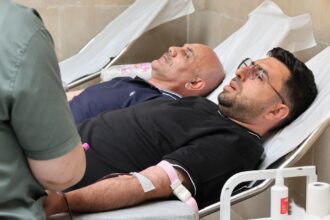
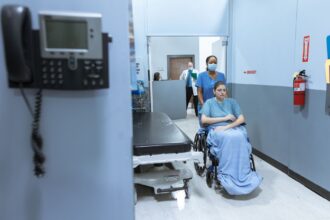
Four nurses have recovered from Ebola in Democratic Republic of Congo as WHO expands treatment capacity with a newly refurbished 24-bed facility. The recoveries highlight the importance of early treatment in dedicated healthcare facilities. — Photo: Michael Förtsch / Pexels
SHARE
🎧 Listen to this article5:49 min · 818 words · GMJ Audio
4 min read|818 words
✓ Editorially Reviewed by Prof. Giorgi Pkhakadze, MD, MPH, PhD — GMJ News Desk

Four nurses who contracted Ebola disease caused by Bundibugyo virus while caring for patients have been discharged from a hospital in Bunia, Democratic Republic of the Congo, after successful recovery. The recoveries demonstrate the effectiveness of early treatment as the World Health Organization expands treatment capacity with a newly refurbished Ebola Treatment Centre.

Contents
    • Key takeaways
      • Ebola Outbreak Status in Democratic Republic of Congo
  • Healthcare Workers Show Recovery is Possible with Early Treatment
  • WHO Expands Treatment Infrastructure in Bunia
  • Outbreak Affects Significant Number of Health Workers
  • WHO Director-General Emphasizes Continued Response
    • What this means
  • Frequently asked questions
    • What is Bundibugyo virus and how does it differ from other Ebola viruses?
    • Why are healthcare workers at higher risk during Ebola outbreaks?
    • What factors contribute to successful Ebola recovery?

Key takeaways

  • Five people have now recovered from the current Ebola outbreak in DRC, including four health workers discharged on 31 May 2026
  • WHO has handed over a refurbished 24-bed Ebola Treatment Centre in Bunia, expandable to 60 beds
  • 210 confirmed cases and 17 deaths have been reported as of 31 May, with 16 health workers affected during this outbreak
210
confirmed Ebola cases reported in DRC as of 31 May 2026

Ebola Outbreak Status in Democratic Republic of Congo

Confirmed cases, deaths and recoveries as of 31 May 2026

210
Confirmed cases
17
Confirmed deaths
5
Recoveries

Source: WHO Africa, May 2026 | Georgian Medical Journal News

Healthcare Workers Show Recovery is Possible with Early Treatment

The four nurses had been caring for Ebola patients at their healthcare facility earlier in May when they contracted the disease. Their successful discharge follows the recovery of a laboratory worker on 28 May, bringing the total number of recoveries to five people.

Submit Your Paper
GMJ_Submit_Banner

“This is a victory worth celebrating. It’s a strong message that it is possible to recover from Ebola when seeking care early in a dedicated health facility,” said Dr Dieudonne Mwamba Kazadi, Director-General of the country’s National Institute of Public Health, according to WHO Africa’s official statement.

🎙️ Related Podcast Episodes
🎧 #25 | WHO Warns: Childhood Hearing Loss Must Be Addressed Early · 19m
🎧 #15 | WHO: One in Two People Facing Cataract Blindness Still Need Access to Surgery · 21m
🎬 GMJ Video Series | Rare Case: Lung Cancer & Tuberculosis Coexistence
🎧 #54 | GMJ Podcast | The Blueprint of a Medical Journal: Designing an Open-Access Scientific Platform · 19m
🎧 #53 | GMJ Podcast | Palliative Care in Georgia — Health System Gaps, Access Barriers, and Policy Implications · 16m

WHO Expands Treatment Infrastructure in Bunia

To strengthen clinical care capacity, the World Health Organization handed over a refurbished Ebola Treatment Centre in Bunia to health authorities on 31 May. The facility has an initial capacity of 24 beds but can be expanded to accommodate 60 patients.

WHO is also establishing an annex to the facility with up to 42 additional beds, expected to be operational in the coming weeks. This expansion represents a significant increase in treatment capacity for the region, which has been managing global health emergencies with limited infrastructure.

Outbreak Affects Significant Number of Health Workers

The current outbreak has disproportionately affected healthcare personnel, with 16 health workers reported sick with Ebola during this outbreak. This represents a substantial portion of the healthcare workforce in the affected region and highlights the occupational risks faced by medical staff.

As of 31 May 2026, the WHO Africa regional office reported 210 confirmed cases with 17 confirmed deaths. An additional 349 suspected cases remain under investigation, indicating the outbreak’s scope may be larger than currently confirmed.

Early diagnosis and access to dedicated treatment facilities significantly improve Ebola recovery rates, with 5 patients successfully discharged in the current DRC outbreak

— Dr Dieudonne Mwamba Kazadi, Director-General, National Institute of Public Health (WHO Africa, 2026)

WHO Director-General Emphasizes Continued Response

WHO Director-General Dr Tedros Adhanom Ghebreyesus visited Bunia on 30 May to assess the outbreak response. His visit underscores the international attention focused on containing this Bundibugyo virus outbreak, which differs from the more commonly known Zaire ebolavirus that caused the 2014-2016 West Africa epidemic.

The Bundibugyo species of Ebola virus was first identified in Uganda in 2007 and has historically shown different clinical characteristics compared to other Ebola virus species, making specialized treatment protocols essential for optimal patient outcomes.

What this means

For patients: Early medical attention significantly improves Ebola survival rates when treatment is available at dedicated facilities with appropriate isolation and supportive care
For clinicians: Healthcare workers face elevated occupational risk during Ebola outbreaks, requiring enhanced protective equipment and protocols when treating suspected cases
For policymakers: Rapid deployment of treatment infrastructure and healthcare worker protection measures are critical for containing Ebola outbreaks and maintaining healthcare system functionality

Frequently asked questions

What is Bundibugyo virus and how does it differ from other Ebola viruses?

Bundibugyo virus is one of six known species of Ebola virus, first identified in Uganda in 2007. While it causes similar hemorrhagic fever symptoms to other Ebola species, it may have different transmission patterns and clinical outcomes compared to the Zaire ebolavirus that caused the 2014-2016 West Africa outbreak.

Why are healthcare workers at higher risk during Ebola outbreaks?

Healthcare workers face elevated exposure risk due to direct contact with infected patients and contaminated materials. The current DRC outbreak has affected 16 health workers, representing a significant portion of cases and highlighting the need for enhanced protective protocols.

What factors contribute to successful Ebola recovery?

Early diagnosis and access to dedicated treatment facilities with appropriate supportive care significantly improve survival rates. The five recoveries in the current outbreak demonstrate that prompt medical attention in properly equipped facilities can lead to successful outcomes.

The expansion of treatment capacity in Bunia represents a critical step in strengthening the region’s outbreak response capabilities. As WHO continues to support local health authorities, the focus remains on early case detection, contact tracing, and ensuring adequate treatment infrastructure to manage both confirmed and suspected cases effectively.

Source: Four health workers recover from Ebola in the Democratic Republic of the Congo

Was this article helpful?

Related Coverage

FDA Issues Safety Correction for KayserBett IDA Pediatric Care Beds Due to Entrapment RiskJun 7, 2026
Nigeria's NAFDAC Launches Digital Platform to Combat Counterfeit MedicinesJun 7, 2026
Amish Health Practices Challenge Modern Public Health Assumptions, Expert Analysis ShowsJun 7, 2026
Ultra-processed food researchers demand urgent policy reforms as health risks mountJun 6, 2026
TAGGED:Democratic Republic CongoEbolahealthcare workersInfectious DiseaseWHO
Share This Article
Facebook LinkedIn Bluesky Copy Link Print
Leave a Comment Leave a Comment

Leave a Reply Cancel reply

Your email address will not be published. Required fields are marked *

Submit Your Paper →

Georgia's peer-reviewed open-access medical journal. No APC until January 2027.
Submit Manuscript →
FDA Issues Safety Correction for KayserBett IDA Pediatric Care Beds Due to Entrapment Risk

FDA issues safety correction for KayserBett IDA pediatric care beds due to…

Nigeria’s NAFDAC Launches Digital Platform to Combat Counterfeit Medicines

Nigeria's NAFDAC launches enhanced Med Safety App enabling healthcare workers and citizens…

New Oral AML Treatment Shows Promise for Older Patients in FDA Trial

New oral drug combination for older AML patients shows effectiveness comparable to…

Submit Your Paper to GMJ

No APC until January 2027.
Submit Manuscript →

You Might Also Like

Children receiving medical care in Gaza humanitarian crisis
Migration & HealthPolicy & Systems

Gaza’s Child Health Crisis: 1,500 Children Suffering Severe Skin Diseases Amid Humanitarian Collapse

By
GMJ News Desk
31/05/2026
Medical facility in Lebanon showing impact of healthcare disruptions during conflict
Global HealthPolicy & Systems

Lebanon Hospital Strikes Leave Vulnerable Patients Without Care, WHO Warns

By
GMJ News Desk
03/06/2026
FDA headquarters building symbolizing regulatory oversight and personnel changes
Health Policy

FDA Official Who Questioned COVID Vaccines and Antidepressants Exits Amid Regulatory Shifts

By
GMJ News Desk
19/05/2026
Global health leaders at One Health Summit discussing coordination between WHO, WOAH, FAO, and UNEP
Global HealthPolicy & Systems

Quadripartite Partners Strengthen One Health Coordination at Global Summit

By
GMJ News Desk
28/05/2026
Facebook Twitter Youtube Instagram
Company
  • Privacy Policy
  • Contact US
  • GMJ Journal
  • Submit Manuscript
  • Editorial Team
  • Register at GMJ
  • Terms of Use

Subscribe to GMJ News — Click here

Join Community
© 2026 Georgian Medical Journal (GMJ). Published by the Public Health Institute of Georgia (PHIG). All rights reserved.
Welcome Back!

Sign in to your account

Username or Email Address
Password

Lost your password?

Not a member? Sign Up