


Home › Topics › Rheumatoid Arthritis
Rheumatoid Arthritis
GMJ News knowledge hub · last reviewed September 2026 · Georgian Medical Journal
SummaryStatisticsGlossaryGMJ newsFAQDocumentsOrganizationsResearch
Rheumatoid arthritis (RA) — a chronic immune-mediated inflammatory arthritis destroying joint cartilage and bone — affects approximately 18 million people globally (0.5-1% of adults), causing pain, progressive disability, cardiovascular disease and premature mortality (WHO). The treat-to-target revolution — achieving remission or low disease activity through escalating therapy — combined with the biological and targeted synthetic DMARD era (TNF inhibitors, IL-6 inhibitors, JAK inhibitors) has transformed RA from a disease of inevitable disability to one where near-normal function and life expectancy is achievable with modern treatment.
Key messages
18 million people globally
Rheumatoid arthritis (RA) — a chronic immune-mediated inflammatory arthritis — affects approximately 18 million people globally (0.5-1% of adults), causing progressive joint destruction, disability and elevated cardiovascular mortality (WHO).
Treat-to-target — the care revolution
The treat-to-target (T2T) approach — defining remission or low disease activity as the treatment target, monitoring objectively with validated scores (DAS28, CDAI), and escalating therapy until the target is achieved — has transformed RA outcomes.
TNF inhibitors changed everything
TNF inhibitors (adalimumab, etanercept, infliximab, certolizumab, golimumab) — the first biologic DMARDs — transformed RA management in the late 1990s, achieving remission in patients who previously progressed to disability. Combined with methotrexate, they remain first-line biologic therapy.
JAK inhibitors — latest advance
JAK inhibitors (baricitinib, tofacitinib, upadacitinib, filgotinib) — oral small molecules blocking Janus kinase signalling — offer comparable efficacy to TNF inhibitors and are increasingly used after methotrexate failure or as alternatives to biologics.
Cardiovascular risk doubled
RA doubles cardiovascular risk — driven by systemic inflammation, dyslipidaemia and physical inactivity. Cardiovascular disease is the leading cause of premature death in RA. Aggressive inflammation control and cardiovascular risk factor management are both essential.
Anti-CCP antibodies — a revolution in diagnosis
Anti-citrullinated protein antibodies (anti-CCP) are highly specific for RA (approximately 95-98%) and appear years before clinical disease onset — enabling early diagnosis and identifying patients at risk for development.
Key statistics
RA treatment response rates (ACR50) — comparative clinical trial data
Source: Published RCTs. All bDMARDs and JAKi show similar efficacy in TNF-naive patients.
Glossary of key terms
Latest GMJ coverage

How the Brain Controls Inflammation Through the Vagus Nerve
16/08/2026
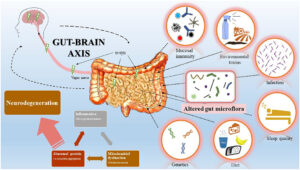
How the brain controls inflammation: The vagus nerve’s unexpected role in immune regulation
28/07/2026

Immune Drug Delays Rheumatoid Arthritis by Four Years After Treatment Ends
03/06/2026

Brain-Immune Connection: How the Inflammatory Reflex Controls Disease
22/05/2026

Bones Are Living Organs That Talk to Your Body—Here’s How
19/09/2026

How the immune system learns to remember threats: the science of innate and adaptive immunity
03/08/2026
Frequently asked questions 12 Q&A — structured for Google featured snippets and AI discovery
Knowledge hub: guidelines, conventions and reports
Organizations working in migration and health
Related health topics
Musculoskeletal healthCVDSLEPsoriatic arthritisOsteoporosisSDH (disability)
About this hub. Produced by the GMJ News Editorial Team as a public-good service. Every statistic is linked to its primary source. Documents are preserved in the GMJ Repository with full attribution. Georgian Medical Journal · Contact the editorial team