


Osteoporosis
GMJ News knowledge hub · last reviewed October 2026 · Georgian Medical Journal
SummaryStatisticsGlossaryGMJ newsFAQDocumentsOrganizationsResearch
Osteoporosis — defined by reduced bone mineral density (T-score ≤−2.5 on DEXA scan) causing increased fracture risk — affects an estimated 200 million women globally and results in more than 8.9 million fractures per year, with hip fractures carrying a 20-30% mortality within 12 months and a profound loss of independence in those who survive — making osteoporosis one of the leading causes of morbidity and mortality in older populations, yet among the most systematically underdiagnosed and undertreated conditions in medicine (WHO). Effective prevention and treatment — bisphosphonates, denosumab, romosozumab, calcium, vitamin D, fall prevention and the WHO FRAX fracture-risk calculator — can prevent the majority of osteoporotic fractures when identified and managed proactively.
Key messages
1 in 3 women, 1 in 5 men over 50 fracture — 20-30% die after hip fracture
One in three women and one in five men over age 50 will experience an osteoporotic fracture. Hip fractures carry 20-30% mortality within 12 months, and 50% of survivors never regain pre-fracture mobility (WHO/IOF).
T-score ≤-2.5 = osteoporosis — DEXA is the diagnostic test
Bone mineral density (BMD) measured by DEXA (dual-energy X-ray absorptiometry): T-score -1.0 to -2.5 = osteopenia; T-score ≤-2.5 = osteoporosis. The hip (femoral neck) and lumbar spine are the primary measurement sites.
FRAX — the 10-year fracture risk calculator
The WHO FRAX tool (frax.shef.ac.uk) calculates an individual's 10-year probability of hip and major osteoporotic fracture from clinical risk factors (age, sex, BMI, prior fracture, smoking, alcohol, glucocorticoids, secondary osteoporosis, family history) — with or without BMD.
Bisphosphonates — first-line treatment
Bisphosphonates (alendronate, risedronate, zoledronic acid IV annually) are the first-line pharmacological treatment for osteoporosis — reducing vertebral fractures by approximately 40-70% and hip fractures by approximately 40%. Drug holidays are appropriate after 3-5 years of bisphosphonate use for most patients.
Denosumab and romosozumab for high-risk
Denosumab (Prolia, anti-RANKL injection every 6 months) reduces hip fractures by 40%. Romosozumab (Evenity, anti-sclerostin — both builds bone AND reduces resorption) reduces vertebral fractures by 73% in the first year — the most potent anti-fracture agent available. Requires specialist prescribing.
Glucocorticoid-induced osteoporosis — the hidden epidemic
Systemic glucocorticoids ≥7.5mg prednisolone equivalent for ≥3 months cause significant bone loss. Fracture risk is elevated even at low doses and from day 1 of treatment. WHO/ACR recommend bisphosphonate or denosumab co-prescription for most patients on chronic glucocorticoids.
Key statistics
Osteoporotic fracture risk by site and age — women (IOF)
Source: IOF/WHO. Hip fractures: highest mortality. Vertebral fractures: most common but often undetected.
Glossary of key terms
Latest GMJ coverage

Vitamin D Deficiency Links to Multiple Chronic Diseases, New Review Shows
27/07/2026
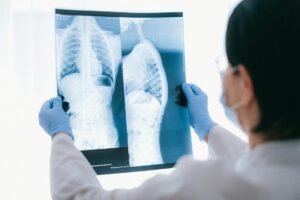
AI Tool Detects Silent Bone Loss from Routine Chest X-rays Before Fractures Strike
04/06/2026
Vitamin D Insufficiency Affects Up to 97% in Some Regions—Here’s What the Evidence Shows
24/07/2026
Calcium and Vitamin D Supplements Show Limited Benefit for Fracture Prevention in Older Adults, Major Review Finds
11/07/2026
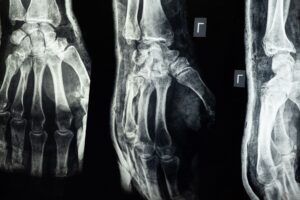
Semaglutide Linked to Fewer Bone Fractures Despite Greater Weight Loss in Type 2 Diabetes
09/07/2026
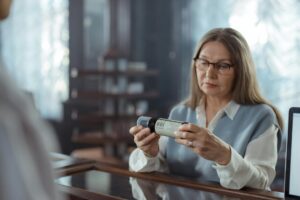
UK Health Regulator Issues Class 4 Alert for Denosumab Injection Labelling Error
15/06/2026
Frequently asked questions 12 Q&A — structured for Google featured snippets and AI discovery
Knowledge hub: guidelines, conventions and reports
Organizations working in migration and health
Related health topics
Musculoskeletal healthAgeingRheumatoid arthritis (secondary OPT)Fracture disabilityCalcium and vitamin DExercise for bone health
About this hub. Produced by the GMJ News Editorial Team as a public-good service. Every statistic is linked to its primary source. Documents are preserved in the GMJ Repository with full attribution. Georgian Medical Journal · Contact the editorial team