


Home › Topics › Vitamin D Deficiency
Vitamin D Deficiency
GMJ News knowledge hub · last reviewed October 2026 · Georgian Medical Journal
SummaryStatisticsGlossaryGMJ newsFAQDocumentsOrganizationsResearch
Vitamin D deficiency and insufficiency — arising from inadequate sun exposure, dietary intake or metabolic impairment of the skin→liver→kidney synthesis pathway to active calcitriol — affects an estimated 1 billion people globally across all ages, income levels and latitudes, with established consequences ranging from rickets and osteomalacia (the classic skeletal manifestations) to impaired immune function, muscle weakness and increased fracture risk, while active research continues into contested but potentially significant associations with cancer, cardiovascular disease, type 2 diabetes, multiple sclerosis and respiratory infection susceptibility (WHO). The COVID-19 pandemic amplified attention to vitamin D given observational evidence linking low levels to more severe disease — though large RCTs (VITAL, VITDALIZE) delivered mixed results on hard clinical outcomes, tempering early enthusiasm while reinforcing the established bone and muscle benefits of adequate levels.
Key messages
1 billion people globally deficient or insufficient
Vitamin D deficiency (<30 nmol/L) or insufficiency (30-50 nmol/L) affects approximately 1 billion people across all ages, income levels and latitudes — from populations near the equator (clothing-covered skin) to high-latitude communities with limited sunlight exposure (WHO/Lancet 2022).
Rickets and osteomalacia — the classic deficiency diseases
Severe vitamin D deficiency causes rickets in children (softening of bones, bowed legs, skull bossing, delayed teeth) and osteomalacia in adults (bone pain, proximal muscle weakness, pseudo-fractures on X-ray). Both are now seeing resurgence globally — including in HICs — among at-risk groups.
Sun exposure + diet + supplementation — the triad
Adequate vitamin D requires all three: sun exposure (UV-B converts 7-dehydrocholesterol in skin to vitamin D3); dietary intake (oily fish, fortified dairy, eggs — provide limited vitamin D in most diets); supplementation (400-2000 IU/day depending on risk). 15-30 minutes of midday sun on arms and legs produces approximately 1000 IU.
Established benefits — bone, muscle, immune
Strong evidence: calcium absorption and bone mineralisation; muscle function (reduces falls risk in elderly); prevention of rickets/osteomalacia. Vitamin D is essential for innate and adaptive immunity — deficiency impairs macrophage and T-cell function, increasing susceptibility to respiratory infections (meta-analysis: supplementation reduces ARI risk by approximately 12%).
Non-skeletal claims — more cautious
Large RCTs (VITAL — 25,871 participants; VITDALIZE — critically ill) found no significant reduction in cancer incidence, cardiovascular disease, or COVID-19 mortality from supplementation, despite strong observational associations. The paradox likely reflects reverse causation (illness causes low vitamin D) and unmeasured confounders.
Safety and toxicity
Vitamin D toxicity (hypervitaminosis D) requires very high doses sustained over time (typically >10,000 IU/day for weeks-months). Toxicity causes hypercalcaemia: nausea, constipation, weakness, confusion, polyuria, nephrocalcinosis, cardiac arrhythmias. Standard supplementation doses (1,000-4,000 IU/day) are safe for virtually all adults.
Key statistics
~12%
reduction in acute respiratory infection risk from vitamin D supplementation
BMJ meta-analysis 2017/2021No benefit
VITAL trial: supplementation did not reduce cancer incidence or CVD in healthy adults
NEJM 2022Vitamin D synthesis and metabolism — the skin-liver-kidney pathway
Glossary of key terms
Latest GMJ coverage

How Calcium Imbalance Disrupts the Heart and Nervous System
04/10/2026

Vitamin D Deficiency Links to Multiple Chronic Diseases, New Review Shows
27/07/2026
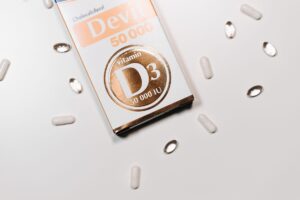
Vitamin D Insufficiency Affects Up to 97% in Some Regions—Here’s What the Evidence Shows
24/07/2026

Why vitamin D prescriptions favour weekly boluses over daily doses — and what the evidence says
21/07/2026

Why Vitamin D Deficiency Targets Your Fast-Twitch Muscles—and Why Falls Risk Follows
19/07/2026

Vitamin D dose response is not linear: Why shelf-picked supplements may not work as expected
17/07/2026
Frequently asked questions 12 Q&A — structured for Google featured snippets and AI discovery
Knowledge hub: guidelines, conventions and reports
Organizations working in migration and health
Related health topics
OsteoporosisNutritionSupplementsRickets in childrenAgeing (falls prevention)Immune function
About this hub. Produced by the GMJ News Editorial Team as a public-good service. Every statistic is linked to its primary source. Documents are preserved in the GMJ Repository with full attribution. Georgian Medical Journal · Contact the editorial team