


Nutrition
GMJ News knowledge hub · last reviewed September 2026 · Georgian Medical Journal
SummaryStatisticsGlossaryGMJ newsFAQDocumentsOrganizationsResearch
The world now carries a double burden of malnutrition: about 148 million children under five are stunted and 45 million wasted, while over one billion people live with obesity — often within the same countries and even the same households (WHO/UNICEF). Malnutrition in all its forms is a leading risk factor for global disease, from anaemia affecting around a third of women of reproductive age to diet-related NCDs driven by ultra-processed foods. WHO's healthy-diet guidance, breastfeeding protection, food fortification and the taxation of sugar-sweetened beverages define the evidence-based policy menu — contested at every step by commercial interests, which is precisely why independent coverage matters.
Key messages
Double burden
The world simultaneously faces undernutrition — 733 million people going hungry — and overnutrition — 1 billion living with obesity. This "double burden of malnutrition" exists within the same countries, communities and even households.
Malnutrition underlies 45% of child deaths
Malnutrition — including undernutrition, micronutrient deficiency and overweight — contributes to approximately 45% of all deaths in children under five (UNICEF).
Food access
2.8 billion people cannot afford a healthy diet (FAO 2023). Diet quality is fundamentally shaped by food environments — what is available, affordable and marketed — not simply individual choice.
Stunting
148 million children under 5 are stunted (too short for their age) from chronic undernutrition — affecting brain development, school performance and adult productivity (UNICEF 2023).
Ultra-processed foods
Ultra-processed foods — high in salt, sugar and saturated fat, low in fibre and micronutrients — now dominate food environments in many countries and are a major driver of diet-related NCDs including cardiovascular disease, diabetes and cancer.
First 1,000 days
The period from conception to a child's second birthday — the "first 1,000 days" — is the most critical window for nutritional intervention. Deficits during this period have lifelong consequences for health and development.
Key statistics
People undernourished globally (millions) 2005-2023 — FAO State of Food Security
Source: FAO, IFAD, UNICEF, WFP and WHO. The State of Food Security and Nutrition in the World (annual).
Glossary of key terms
Latest GMJ coverage

How Your Body Stores and Deploys Nutrients: A Systems View of Micronutrient Management
20/09/2026

One child dies daily in Gaza despite ceasefire, UNICEF warns of humanitarian collapse
16/09/2026

The Copper–Iron Paradox: Why Iron Supplementation Fails Without Copper
19/08/2026

Butter vs Margarine: How Chemistry Determines Performance in Cooking and Health
17/08/2026
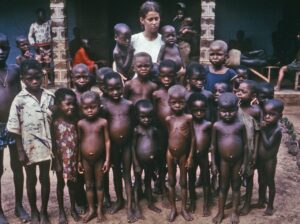
Kwashiorkor: How Severe Protein Deficiency Disrupts Child Development
17/08/2026

Brain Energy Demands: Why Your Hardest Thinking Uses Only 5% More Fuel
15/08/2026
Frequently asked questions 12 Q&A — structured for Google featured snippets and AI discovery
Knowledge hub: guidelines, conventions and reports
Organizations working in migration and health
Related health topics
Child healthObesityDiabetesMaternal healthPhysical activityUniversal health coverage
About this hub. Produced by the GMJ News Editorial Team as a public-good service. Every statistic is linked to its primary source. Documents are preserved in the GMJ Repository with full attribution. Georgian Medical Journal · Contact the editorial team