


Home › Topics › Musculoskeletal Health
Musculoskeletal Health
GMJ News knowledge hub · last reviewed September 2026 · Georgian Medical Journal
SummaryStatisticsGlossaryGMJ newsFAQDocumentsOrganizationsResearch
Musculoskeletal conditions are the leading cause of disability worldwide: 1.71 billion people live with musculoskeletal conditions — including low back pain (the single largest cause of disability globally), neck pain, fractures, injuries, osteoarthritis, rheumatoid arthritis and osteoporosis (WHO Global Report on Musculoskeletal Health 2023). The burden is rising sharply with population ageing and physical inactivity — and the overwhelming majority of sufferers live in LMICs where access to rehabilitation and effective pain management is virtually absent. The WHO Rehabilitation 2030 initiative and the Global Alliance for Musculoskeletal Health (G-MUSC) are the primary international frameworks for response.
Key messages
1.71 billion affected
Musculoskeletal conditions are the world's leading cause of disability — affecting 1.71 billion people globally and causing more years lived with disability than any other condition group (WHO Global Report on Musculoskeletal Health 2023).
Low back pain #1
Low back pain is the single largest cause of disability globally — affecting 619 million people and costing trillions annually in healthcare and lost productivity. It is #1 on the global disability league table.
Rising with ageing
The burden is growing rapidly with population ageing, obesity and physical inactivity — projected to surpass 2.4 billion people by 2050. Musculoskeletal conditions predominantly affect working-age and older adults.
Rehabilitation critical
Rehabilitation — physical therapy, exercise, pain management — is the central treatment strategy for most musculoskeletal conditions. Yet access to rehabilitation is severely limited in LMICs where 80% of the burden falls.
Prevention possible
Regular physical activity prevents many musculoskeletal conditions — reducing osteoporosis, osteoarthritis progression and low back pain. Ergonomic workplaces, fall prevention and fracture liaison services are also evidence-based.
WHO G-MUSC and Global Report
The WHO Global Report on Musculoskeletal Health (2023) — the first comprehensive global assessment — provides the evidence base for national musculoskeletal health policies, calling for integration into primary health care and UHC packages.
Key statistics
People with major musculoskeletal conditions globally (millions) — WHO 2023
Glossary of key terms
Latest GMJ coverage

Bones Are Living Organs That Talk to Your Body—Here’s How
19/09/2026
How the Brain Controls Inflammation Through the Vagus Nerve
16/08/2026
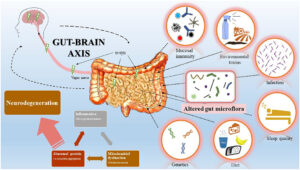
How the brain controls inflammation: The vagus nerve’s unexpected role in immune regulation
28/07/2026

Vitamin D Deficiency Links to Multiple Chronic Diseases, New Review Shows
27/07/2026
AI Tool Detects Silent Bone Loss from Routine Chest X-rays Before Fractures Strike
04/06/2026

Immune Drug Delays Rheumatoid Arthritis by Four Years After Treatment Ends
03/06/2026
Frequently asked questions 12 Q&A — structured for Google featured snippets and AI discovery
Knowledge hub: guidelines, conventions and reports
Organizations working in migration and health
Related health topics
Physical activityObesityAgeingChronic painDisabilityOccupational health
About this hub. Produced by the GMJ News Editorial Team as a public-good service. Every statistic is linked to its primary source. Documents are preserved in the GMJ Repository with full attribution. Georgian Medical Journal · Contact the editorial team