


Chronic Pain
GMJ News knowledge hub · last reviewed September 2026 · Georgian Medical Journal
SummaryStatisticsGlossaryGMJ newsFAQDocumentsOrganizationsResearch
Chronic pain — pain lasting more than three months — affects an estimated 20-30% of adults globally, making it the world's most prevalent health condition and a leading driver of disability, reduced productivity and healthcare utilisation (WHO/IASP). The 2019 ICD-11 revision formally recognised chronic pain as a disease in its own right for the first time — a landmark that acknowledges chronic pain as more than a symptom and creates the framework for dedicated research, treatment and policy. Pain management is a human right: the WHO calls for universal access to effective, safe and quality pain management as part of universal health coverage.
Key messages
20-30% of global adults
Chronic pain — pain persisting for more than three months — affects approximately 20-30% of adults globally, making it the world's most prevalent health condition and a leading driver of disability, healthcare utilisation and reduced quality of life.
ICD-11 recognition
The 2019 ICD-11 revision recognised chronic pain as a disease in its own right for the first time — creating dedicated diagnostic codes for chronic primary pain and chronic secondary pain (from cancer, surgery, neuropathic conditions, headache, visceral and musculoskeletal causes).
Biopsychosocial model
Chronic pain is best understood through the biopsychosocial model: biological (tissue damage, sensitisation), psychological (catastrophising, fear, depression) and social (work, relationships, healthcare access) factors all contribute to pain experience and disability.
Pain is a human right
The International Association for the Study of Pain (IASP) and WHO recognise access to effective pain management as a fundamental human right. Yet millions suffer preventable pain globally — from cancer pain, palliative care settings, post-operative and chronic conditions — due to lack of opioid access, inadequate training and stigma.
Central sensitisation
In many chronic pain conditions, the nervous system becomes "sensitised" — amplifying pain signals even in the absence of ongoing tissue damage. This central sensitisation explains why chronic pain can persist and worsen independent of the original injury.
Multimodal management
Evidence-based chronic pain management combines: pharmacological (analgesics, antineuropathics, anti-inflammatories); psychological (CBT, acceptance and commitment therapy, mindfulness); physical (exercise, physiotherapy); and — in selected patients — interventional procedures or neurostimulation.
Key statistics
Prevalence of chronic pain in adults by condition type — global estimates
Source: IASP / GBD. Low back pain and musculoskeletal conditions dominate chronic pain burden.
Glossary of key terms
Latest GMJ coverage

Neuroimmune abnormalities identified as potential driver of fibromyalgia pathology
21/09/2026

Most Brazilian Children with Disabling Musculoskeletal Pain Recover Within a Year, Study Shows
20/08/2026
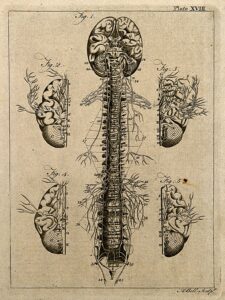
Why your spine is your body’s master communications network
20/08/2026

The Spine as Neural Gateway: How Spinal Health Affects Whole-Body Function
06/08/2026

Chronic pain stems from load distribution, not isolated posture flaws
06/08/2026

Supermarket Data Reveals Women Buying Less Effective Period Pain Relief
01/07/2026
Frequently asked questions 12 Q&A — structured for Google featured snippets and AI discovery
Knowledge hub: guidelines, conventions and reports
Organizations working in migration and health
Related health topics
Musculoskeletal healthMental healthCancer painPalliative careDepression and anxietySubstance use (opioids)
About this hub. Produced by the GMJ News Editorial Team as a public-good service. Every statistic is linked to its primary source. Documents are preserved in the GMJ Repository with full attribution. Georgian Medical Journal · Contact the editorial team