


Cancer
GMJ News knowledge hub · last reviewed September 2026 · Georgian Medical Journal
SummaryStatisticsGlossaryGMJ newsFAQDocumentsOrganizationsResearch
Cancer accounts for nearly one in six deaths globally: about 20 million new cases and 9.7 million deaths a year (WHO/IARC GLOBOCAN 2022), with the burden projected to rise sharply by 2050. Yet 30–50% of cancers are preventable — tobacco control, HPV and hepatitis B vaccination, and reduced alcohol and obesity — and screening plus early diagnosis dramatically improves survival for breast, cervical and colorectal disease. GMJ News tracks the evidence across prevention, screening, immunotherapy and precision oncology.
Key messages
Scale
20 million new cancer cases and 9.7 million deaths in 2022 — 1 in 5 people will develop cancer during their lifetime (IARC Globocan 2022).
Prevention
At least 40% of cancers are preventable. Tobacco, alcohol, excess weight, physical inactivity, infections (HPV, HBV, H. pylori) and UV radiation are the leading modifiable causes.
Equity
Over 70% of cancer deaths occur in low- and middle-income countries, where diagnosis is late and treatment — surgery, radiotherapy, essential medicines — is severely limited.
Screening
Cervical, breast and colorectal screening demonstrably reduce mortality. WHO's 90-70-90 cervical cancer elimination strategy is the global model for what screening can achieve.
Treatment advances
Immunotherapy, targeted therapy and precision oncology have transformed outcomes for many cancers — but these advances remain almost entirely confined to high-income countries.
Early detection
More than 30% of cancer deaths could be prevented with timely diagnosis and treatment. The WHO Guide to Cancer Early Diagnosis provides the evidence framework.
Key statistics
New cancer cases worldwide per year (millions) — IARC Globocan estimates
Source: IARC Global Cancer Observatory (Globocan). Estimates updated every 2-3 years.
Glossary of key terms
Latest GMJ coverage
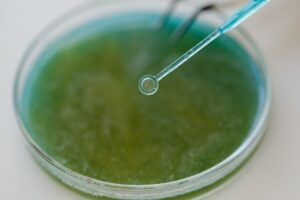
Bacterial ‘Mix-and-Match’ Code Offers New Path to Cancer Drug Development
22/09/2026

AI Model COMPASS Predicts Immunotherapy Response Across Multiple Cancer Types
16/09/2026
Combination immunotherapy with radiation shows promise in hormone-receptor-positive breast cancer
20/08/2026

Princess of Wales Completes Three Peaks Challenge to Advocate for Holistic Cancer Care
17/08/2026
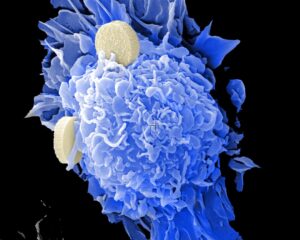
What makes prostate cancer aggressive? Biology, genetics, and clinical grading explained
14/08/2026

Cancer drug shortages force US hospitals to ration chemotherapy as supply crisis deepens
10/08/2026
Frequently asked questions 12 Q&A — structured for Google featured snippets and AI discovery
Knowledge hub: guidelines, conventions and reports
Organizations working in migration and health
Related health topics
TobaccoAlcoholObesityHepatitisSTIs/HPVWomen's health
About this hub. Produced by the GMJ News Editorial Team as a public-good service. Every statistic is linked to its primary source. Documents are preserved in the GMJ Repository with full attribution. Georgian Medical Journal · Contact the editorial team