


Alcohol
GMJ News knowledge hub · last reviewed September 2026 · Georgian Medical Journal
SummaryStatisticsGlossaryGMJ newsFAQDocumentsOrganizationsResearch
Alcohol causes about 2.6 million deaths a year — roughly one in twenty of all deaths worldwide — through liver disease, cancers, cardiovascular disease, injuries and violence (WHO Global Status Report on Alcohol and Health 2024), with young adults bearing a disproportionate share. The scientific consensus has hardened: no level of alcohol consumption is safe for health, and alcohol is a Group 1 carcinogen causally linked to at least seven cancers including breast and colorectal. The WHO SAFER package — higher taxes, availability limits, marketing restrictions, drink-driving enforcement and treatment access — defines the evidence-based response, while industry-funded messaging works to blur it.
Primary sources: WHO fact sheet — Alcohol · WHO health topic — Alcohol
Key messages
Leading killer
Alcohol causes approximately 2.6 million deaths per year — roughly 1 in 20 of all deaths worldwide — through liver disease, cancers, cardiovascular disease, injuries and violence (WHO Global Status Report on Alcohol and Health 2024).
No safe level
The scientific consensus has hardened: no level of alcohol consumption is safe for health. Alcohol is a Group 1 carcinogen causally linked to at least seven cancers — including breast and colorectal — at any level of consumption.
Young adults
Alcohol's disease burden falls disproportionately on young adults aged 20-39, in whom alcohol is responsible for approximately 13% of all deaths — through accidents, violence, self-harm and organ disease.
SAFER
The WHO SAFER initiative identifies five high-impact alcohol policy interventions with the strongest evidence: Strengthen restrictions on availability; Advance and enforce drunk driving countermeasures; Facilitate access to screening and treatment; Enforce bans on advertising and promotion; Raise prices through excise taxes.
Industry tactics
The alcohol industry funds research to promote moderate drinking as beneficial, lobbies against pricing and marketing restrictions, and promotes self-regulation — mirroring tobacco industry playbook tactics documented in the scientific literature.
Fetal alcohol
Alcohol exposure during pregnancy causes fetal alcohol spectrum disorders (FASD) — a range of lifelong developmental disabilities. There is no safe amount of alcohol during pregnancy. FASD is a fully preventable cause of intellectual disability.
Key statistics
Alcohol-attributable deaths by cause (thousands) — WHO Global Status Report on Alcohol and Health
Glossary of key terms
Latest GMJ coverage

Alcohol ranks among most dangerous drugs globally, yet cultural acceptance masks health risks
28/09/2026

Alcohol’s Hidden Health Toll: Damage That Won’t Show Up in a Hangover
02/08/2026
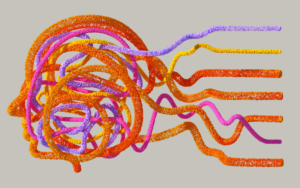
Brain network fragmentation at legal alcohol limits predicts subjective intoxication
29/07/2026

Moderate Alcohol Suppresses Growth Hormone by 75%, Disrupts Sleep Architecture, Study Shows
28/07/2026

Brain Network Fragmentation at Legal Alcohol Limits Predicts Intoxication Severity, fMRI Study Shows
28/07/2026

Cannabis Edibles and Alcohol Create Hidden Impairment Risk for Drivers, Johns Hopkins Study Reveals
10/06/2026
Frequently asked questions 12 Q&A — structured for Google featured snippets and AI discovery
Knowledge hub: guidelines, conventions and reports
Organizations working in migration and health
Related health topics
TobaccoCancerCardiovascular diseaseMental healthNutritionUniversal health coverage
About this hub. Produced by the GMJ News Editorial Team as a public-good service. Every statistic is linked to its primary source. Documents are preserved in the GMJ Repository with full attribution. Georgian Medical Journal · Contact the editorial team