Updated 13/09/2026
🟠 Moderate Evidence
Two individuals with identical blood alcohol levels can experience markedly different degrees of intoxication, a phenomenon now partly explained by variation in how alcohol reorganizes brain networks. According to research published in Drug and Alcohol Dependence (2025), functional magnetic resonance imaging (fMRI) data show that the degree of brain network fragmentation—not blood alcohol concentration alone—predicts how intoxicated a person feels at the same BAC level.
Key takeaways
- Brain network fragmentation at legal BAC levels varies between individuals and correlates with subjective intoxication intensity
- Two people with identical blood alcohol concentrations show different patterns of neural connectivity disruption
- fMRI-measured brain network organization may explain inter-individual differences in alcohol sensitivity and perceived impairment
Study at a Glance
| Source | Drug and Alcohol Dependence |
| Study type | Observational neuroimaging study |
| Methodology | Functional MRI during controlled alcohol administration |
| Primary finding | Network fragmentation predicts subjective intoxication independent of BAC |
| Publication year | 2025 |
How alcohol reorganizes brain connectivity
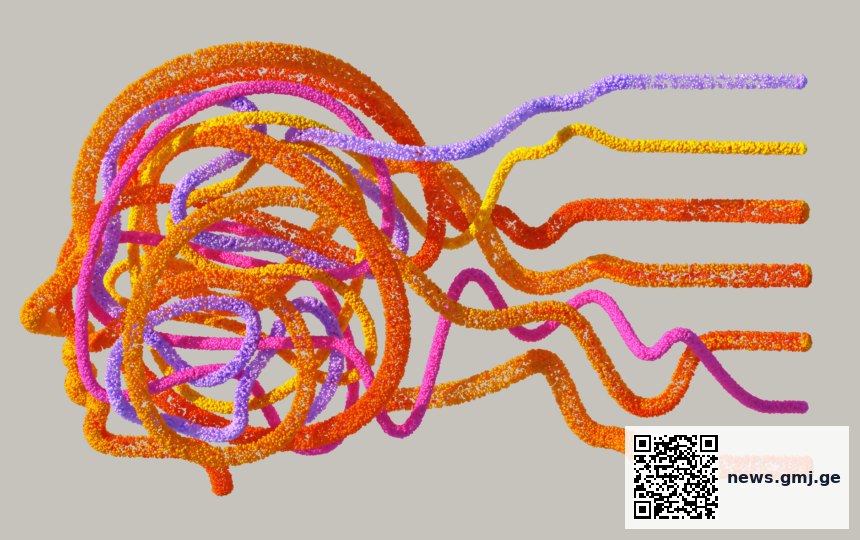
Network fragmentation increases with BAC, but the degree of fragmentation varies between individuals at identical BAC levels, correlating with subjective intoxication

Source: Biessenberger et al., Drug and Alcohol Dependence, 2025 | Georgian Medical Journal News
Brain networks fragment at legal alcohol limits
The research team used fMRI to measure brain network organization in participants who consumed alcohol to reach legal driving limits (typically 0.08% BAC in many jurisdictions). Rather than finding a simple dose-response relationship between BAC and neural effects, the study revealed that individual brains respond differently to the same alcohol dose.
According to the Biessenberger et al. study published in Drug and Alcohol Dependence (2025), alcohol at legal BAC levels disrupts communication between brain regions—a process the researchers term “network fragmentation.” This fragmentation is detectable on fMRI as reduced functional connectivity between normally coordinated neural networks.
What distinguishes this work is the finding that the degree of fragmentation varies significantly between individuals exposed to identical BAC levels. This variation is not random; it correlates with how intoxicated each person feels—a subjective measure distinct from biochemical blood alcohol concentration.
Same BAC, different neural disruption patterns
The central insight from this Drug and Alcohol Dependence (2025) investigation is that blood alcohol level alone is an incomplete predictor of intoxication. Two participants with identical BAC measurements can exhibit markedly different patterns of brain network organization, and these patterns predict differences in subjective intoxication intensity.
This finding has implications for understanding individual variation in alcohol sensitivity. Some of this variation may stem from differences in how efficiently a person’s brain can maintain network integrity under alcohol’s influence—a capacity that could be influenced by genetics, prior alcohol exposure, age, or other neurobiological factors yet to be determined. The study provides a neurobiological mechanism for the common clinical observation that people metabolize alcohol’s psychoactive effects at different rates despite identical blood alcohol concentrations.
Clinical and forensic implications
The disconnect between BAC and subjective intoxication, as documented in the Biessenberger et al. fMRI study, raises questions about the use of fixed BAC thresholds in forensic and clinical contexts. Legal driving limits are set at a single BAC level across populations, but neuroimaging data now suggest that neural impairment at that BAC varies between individuals.
This does not invalidate BAC-based standards, which remain the most practical population-level approach to traffic safety. Rather, it suggests that individual variation in neural vulnerability to alcohol exists and is measurable. Future research may explore whether baseline brain network properties, genetic markers, or other biomarkers could predict an individual’s susceptibility to alcohol-induced neural fragmentation—potentially informing personalized risk assessment.
Brain network fragmentation at legal blood alcohol levels varies between individuals and predicts subjective intoxication intensity independent of BAC measurement
— Biessenberger et al., Drug and Alcohol Dependence (2025)
What this means
Frequently asked questions
Does this mean blood alcohol limits are wrong?
No. The Biessenberger study does not argue against BAC thresholds but rather explains why individuals at the same BAC experience different degrees of impairment. Fixed BAC limits remain the most practical and enforceable public health standard. This research adds a neurobiological explanation for individual variation within that standard.
Can fMRI predict whether someone is safe to drive?
Not yet. The research is observational and published in 2025, establishing correlation between network fragmentation and subjective intoxication. Clinical translation to driving safety prediction would require prospective validation, standardization, and ethical scrutiny before fMRI could supplement or replace BAC testing in forensic contexts.
Does everyone’s brain fragment the same way at legal BAC?
No. According to the Drug and Alcohol Dependence (2025) findings, inter-individual variation in network fragmentation is substantial and significant. Factors influencing this variation—genetics, age, sex, prior exposure, comorbid conditions—remain to be systematically investigated in future studies.
The discovery that alcohol’s effect on the brain extends beyond sedation to actively reorganize neural networks offers new avenues for understanding individual differences in alcohol sensitivity. Future longitudinal and genetic studies may identify biomarkers that predict who is more vulnerable to alcohol-induced neural disruption, potentially informing personalized risk assessment and prevention strategies at the intersection of neuroscience, clinical medicine, and public health. See more research from the New Studies section and explore brain health topics in our science coverage.
Source: Biessenberger et al., Drug and Alcohol Dependence, 2025
🗺️ Find certified Georgian healthcare providers: sheniekimi.ge — Georgia Health Map · 998 clinics · 6,600+ doctors · 2,296 pharmacies
Was this article helpful?
Disclaimer. This article is health journalism intended for general information and education. It is not medical advice and is not a substitute for professional diagnosis or treatment. Always consult a qualified healthcare provider about your individual circumstances. Full disclaimer →
Related Coverage


Editorial standards. This article was produced under the GMJ News editorial process, with oversight by the GMJ Editorial Board. Our editorial process. Spotted an error? Contact the editorial team.