Updated 13/09/2026
🟠 Moderate Evidence
After eating, your muscles clear glucose through two distinct physiological pathways, but most people rely on only one. According to research on glucose homeostasis and muscle physiology, when you remain sedentary after a meal, glucose disposal depends almost entirely on insulin signaling from the pancreas—a pathway with limited capacity that often results in higher and longer post-meal glucose spikes. When you move after eating, even lightly, a second pathway activates in parallel, allowing muscle contraction to independently trigger glucose transporters and bypass the need to wait for insulin signaling.
Key takeaways
- Sedentary glucose clearance relies almost entirely on insulin signaling, which has limited capacity
- Light movement after eating activates a second glucose clearance pathway independent of insulin
- Muscle contraction triggers GLUT4 translocation, allowing direct glucose uptake without insulin
- Post-meal movement reduces blood glucose peaks, faster clearance, and reduces insulin demand
- This mechanism is about using existing physiology, not “earning” food through exercise
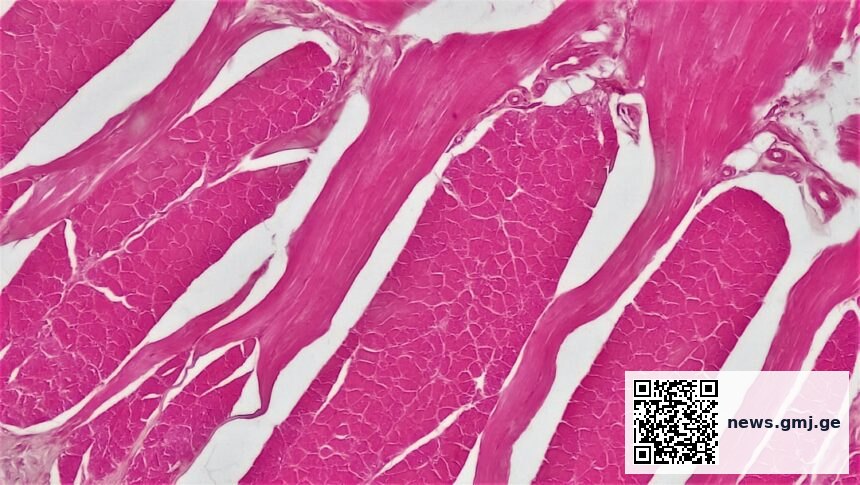
Glucose Clearance Pathways: Insulin-Dependent vs. Contraction-Activated
Two mechanisms for glucose entry into muscle tissue; movement activates the contraction-independent pathway

Source: Muscle Physiology Research | Georgian Medical Journal News
How Insulin-Only Glucose Clearance Works
When you remain seated after eating, glucose enters the bloodstream and triggers the pancreas to release insulin. Insulin binds to muscle cell receptors and signals the translocation of glucose transporter type 4 (GLUT4) to the cell membrane, allowing glucose to enter muscle tissue for storage or use. This pathway is metabolically efficient but has a finite capacity—the rate at which insulin can signal and GLUT4 can translocate limits how quickly glucose can be cleared from the blood.
Research on glucose transporter physiology shows that this single pathway often cannot match the rate of glucose appearance in the blood after a carbohydrate-rich meal, resulting in the characteristic post-meal glucose spike. The magnitude and duration of this spike vary depending on the meal’s carbohydrate content, the individual’s insulin sensitivity, and baseline metabolic health.
Muscle Contraction Activates a Second Glucose Clearance Pathway
When muscles contract—whether during structured exercise or light activity like walking—a second mechanism triggers glucose uptake independently of insulin signaling. Research on muscle contraction-stimulated glucose transport demonstrates that muscle contractions activate AMP-activated protein kinase (AMPK) and calcium-calmodulin-dependent protein kinase (CaMKII), which directly promote GLUT4 translocation to the muscle cell membrane without requiring insulin signaling.
This contraction-activated pathway works in parallel with insulin signaling, not in competition with it. According to studies on glucose homeostasis, the activation of this second pathway results in faster glucose clearance from the blood, lower peak glucose concentrations, and reduced demand on the pancreas to produce insulin. See Clinical Updates for more on metabolic responses to physical activity.
Muscle contraction independently activates glucose transporters (GLUT4) without waiting for insulin signaling, allowing glucose to enter muscle directly and resulting in faster clearance and lower blood glucose peaks.
— Based on established muscle physiology and glucose homeostasis research (multiple published studies)
Timing and Practical Implications
The timing of movement relative to meals influences the magnitude of glucose clearance through the contraction-activated pathway. Light activity—such as a 2- to 3-minute walk—performed shortly after eating engages the contraction-activated pathway while glucose is still being absorbed, effectively doubling the glucose clearance capacity of muscle tissue. Research on postprandial physical activity shows that this timing is more effective than delaying activity until glucose has already peaked.
It is critical to emphasize that this mechanism does not require calorie expenditure or “earning” the meal through exercise. The benefit arises from using an existing physiological capacity—the contraction-activated glucose uptake pathway—that is present in all individuals but activated only during muscle activity. For patients with insulin resistance, prediabetes, or type 2 diabetes, this approach to glucose management may have clinical relevance, though individual responses vary. Explore patient-centered clinical guidance for personalized metabolic advice.
Why This Matters for Metabolic Health
Chronic elevated post-meal glucose spikes are associated with increased risk of cardiovascular disease, type 2 diabetes, and other metabolic conditions, according to epidemiological and mechanistic studies. By activating a second glucose clearance pathway through light movement after meals, individuals may reduce the frequency and magnitude of these glucose spikes and the associated metabolic stress on the pancreas and blood vessels. This approach is distinct from and complementary to insulin-based therapies or dietary interventions.
The practical benefit is that this mechanism is available immediately and requires no medication, supplement, or specialized equipment. Light activity—walking, standing, or gentle movement—engages a physiological capacity that has evolved in human metabolism and can be leveraged as part of routine daily life. See Data & Numbers for epidemiological evidence on glucose control and long-term health outcomes.
What this means
Frequently asked questions
Does this pathway work for all types of food?
The contraction-activated glucose clearance pathway is most effective when glucose is entering the bloodstream—typically within 30 minutes of eating a carbohydrate-rich meal. The magnitude of benefit depends on the glycemic load of the meal; larger glucose spikes can be more substantially reduced by the activation of a second clearance pathway. The mechanism applies to glucose absorption regardless of whether carbohydrates came from whole grains, fruits, or processed foods.
How much movement is needed to activate this second pathway?
Research on muscle contraction-induced glucose uptake shows that even light activity—such as 2 to 3 minutes of walking or standing—can activate the AMPK and calcium-dependent signaling pathways that trigger GLUT4 translocation. More intense or prolonged activity likely activates the pathway more robustly, but the baseline benefit begins with minimal muscle engagement.
Does this replace insulin therapy or medication?
No. The contraction-activated glucose clearance pathway works alongside insulin signaling and does not replace insulin-based therapies or medications. Patients taking insulin, metformin, GLP-1 agonists, or other glucose-regulating medications should continue their prescribed treatments. Light post-meal movement may complement these interventions, but should not be used as a substitute without medical guidance.
Understanding the dual mechanisms of glucose clearance in muscle tissue offers a practical perspective on metabolic health that does not depend on medication, calorie restriction, or intensive exercise. As research on glucose homeostasis and muscle physiology continues to evolve, translating these mechanisms into clinical and public health practice may help individuals and clinicians reduce postprandial glucose excursions and lower long-term metabolic disease risk.
Source: Muscle glucose clearance mechanisms and post-meal glucose dynamics
🗺️ Find certified Georgian healthcare providers: sheniekimi.ge — Georgia Health Map · 998 clinics · 6,600+ doctors · 2,296 pharmacies
Was this article helpful?
Disclaimer. This article is health journalism intended for general information and education. It is not medical advice and is not a substitute for professional diagnosis or treatment. Always consult a qualified healthcare provider about your individual circumstances. Full disclaimer →
Related Coverage


Editorial standards. This article was produced under the GMJ News editorial process, with oversight by the GMJ Editorial Board. Our editorial process. Spotted an error? Contact the editorial team.