


Tag: muscle physiology

The Anabolic Window Myth: What Science Actually Shows About Protein Timing and Muscle Growth
Decades of fitness culture have centered on consuming protein within a narrow "anabolic window" after exercise. New evidence from a…

Training Breaks Cost Less Than Athletes Fear: What Three New Studies Reveal
Three new studies reveal that training breaks cost far less fitness than athletes fear. DNA methylation patterns preserve exercise adaptations…
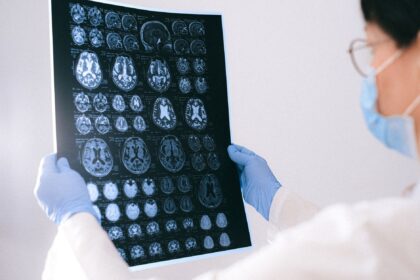
How Muscle Signals Protect the Brain: The Emerging Science of Myokines
Muscle contraction releases signaling molecules called myokines that protect brain health, support memory, and counteract cognitive aging. Different exercise types…

Why muscle growth takes years, not months: the cellular biology behind training limits
Muscle growth is constrained by cellular-level processes—specifically myonuclei accretion and protein synthesis rates—that operate on timescales of months to years,…
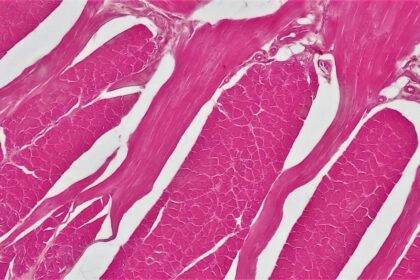
Muscles Clear Glucose Two Ways After Eating—Movement Activates a Second Pathway
After meals, muscles clear glucose through two pathways: insulin-signaled and contraction-activated. Light movement activates a second pathway, accelerating glucose clearance…

Skeletal muscle’s dual role: Why inactivity silences critical body signaling
Skeletal muscle operates in two distinct biochemical modes: active signaling and metabolic silence. Inactive muscle disengages from whole-body communication, raising…
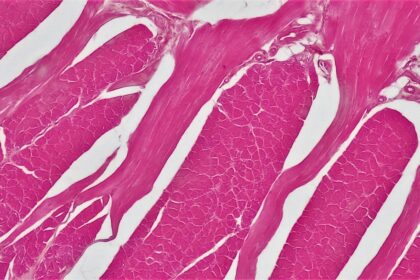
How muscle movement clears blood glucose through a second pathway independent of insulin
Muscle clears glucose through two pathways after meals: one insulin-dependent and one activated by muscle contraction alone. Light post-meal movement…

Muscle Loss in Aging Is Fundamentally a Nerve Problem, Study Shows
New research reveals that strength in aging is determined by motoneuron excitability—neural signal quality—not muscle mass alone. Master athletes retain…