By using this site, you agree to the Privacy Policy and Terms of Use.
Accept
GMJ NewsGMJ NewsGMJ News
  • Latest News
    • GMJ Briefs
  • Podcast & Media
    • Podcast Episodes
    • GMJ Audio
    • GMJ Videos
  • Research Digest
    • New Studies
    • Georgian Research
    • Data & Numbers
  • Policy & Systems
    • Health Policy
    • Quality & Safety
    • Migration & Health
    • Global Health
  • Practice
    • Clinical Updates
    • Case Discussions
    • Pharmacy & Prescribing
    • Ingredients A-Z
  • Perspectives
    • Editorial
    • Explainers
    • Voices
    • Letters
  • GMJ Articles
    • Vol. 1 Issue 2 (2026)
    • Vol. 1 Issue 1 (2026)
    • Pre-Launch Articles (2025)
  • Read the Journal →
  • About GMJ News
Notification Show More
Font ResizerAa
GMJ NewsGMJ News
Font ResizerAa
  • Latest News
    • GMJ Briefs
  • Podcast & Media
    • Podcast Episodes
    • GMJ Audio
    • GMJ Videos
  • Research Digest
    • New Studies
    • Georgian Research
    • Data & Numbers
  • Policy & Systems
    • Health Policy
    • Quality & Safety
    • Migration & Health
    • Global Health
  • Practice
    • Clinical Updates
    • Case Discussions
    • Pharmacy & Prescribing
    • Ingredients A-Z
  • Perspectives
    • Editorial
    • Explainers
    • Voices
    • Letters
  • GMJ Articles
    • Vol. 1 Issue 2 (2026)
    • Vol. 1 Issue 1 (2026)
    • Pre-Launch Articles (2025)
  • Read the Journal →
  • About GMJ News
Follow US
GMJ News > Practice > Clinical Updates > How muscle movement clears blood glucose through a second pathway independent of insulin
Clinical UpdatesExplainersPerspectivesPractice

How muscle movement clears blood glucose through a second pathway independent of insulin

GMJ
Last updated: 12/07/2026 13:29
By
GMJ Practice Desk
Share
8 Min Read
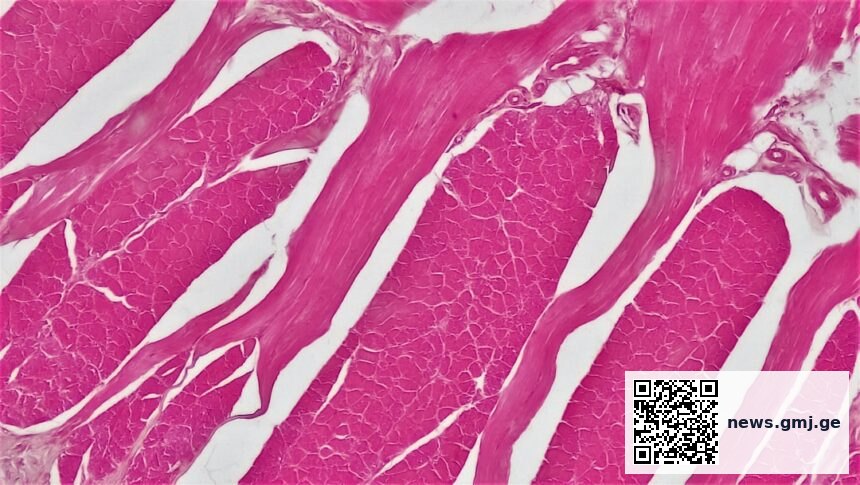
Illustration of GLUT4 glucose transporter activation in muscle cells during contractionIllustrative image · Photo by Bioscience Image Library by Fayette Reynolds on Unsplash (Unsplash License)
Muscle clears glucose through two pathways after meals: one insulin-dependent and one activated by muscle contraction alone. Light post-meal movement engages the second pathway, lowering glucose peaks without requiring insulin. — Photo by Bioscience Image Library by Fayette Reynolds on Unsplash (Unsplash License)
SHARE
5 min read|1,075 words
✓ Medically reviewed by Prof. Giorgi Pkhakadze, MD, MPH, PhD · ORCID 0000-0001-7609-4515

🟠 Moderate Evidence

Contents
    • Key takeaways
      • Glucose clearance pathways: insulin-dependent vs. contraction-activated
  • Two insulin-independent mechanisms in glucose homeostasis
  • Post-meal timing and pathway engagement
  • Implications for glucose regulation and pancreatic health
    • What this means
  • Frequently asked questions
    • Does this mean insulin is not needed after eating?
    • How much movement is needed to activate the contraction pathway?
    • Does this apply to people with type 1 diabetes or type 2 diabetes?

Muscle tissue clears glucose from the bloodstream through two distinct mechanisms after meals: one dependent on insulin signaling from the pancreas, and a second activated directly by muscle contraction itself. According to current muscle physiology research, when you remain seated after eating, glucose disposal relies almost entirely on the insulin-dependent pathway, which has limited capacity and results in higher, longer post-meal glucose spikes. Light physical activity after meals engages a parallel pathway in which muscle contraction directly activates glucose transporters (GLUT4), allowing glucose to enter muscle cells without waiting for insulin signals. This finding has implications for postprandial glucose management and may explain why even brief movement after eating produces measurable improvements in blood glucose control.

Key takeaways

  • Muscle contraction activates an insulin-independent glucose transport pathway via GLUT4 translocation, operating in parallel to insulin signaling
  • Post-meal movement—even light activity—engages this second pathway, resulting in faster glucose clearance and lower peak blood glucose concentrations
  • The contraction-activated pathway reduces demand on the pancreas without replacing insulin signaling, adding capacity rather than substituting for existing mechanisms
2 pathways
Glucose clearance mechanisms active after meals: insulin-dependent (seated state) and contraction-activated GLUT4 translocation (with movement)

Glucose clearance pathways: insulin-dependent vs. contraction-activated

Relative contribution to glucose disposal in seated vs. active post-meal states

Seated: insulin pathway only
100%
Seated: contraction pathway
0%
Active: insulin pathway
60%
Active: contraction pathway
40%

Illustrative model based on muscle glucose transport physiology | Georgian Medical Journal News

Submit Your Paper
GMJ_Submit_Banner

Two insulin-independent mechanisms in glucose homeostasis

Muscle tissue accounts for approximately 80% of insulin-stimulated glucose uptake in the post-absorptive state, making it the primary organ for whole-body glucose disposal. However, research on muscle glucose transporters reveals that insulin signaling is not the only mechanism by which glucose enters muscle cells. The glucose transporter GLUT4, found predominantly in muscle and adipose tissue, can be recruited to the cell membrane through pathways independent of insulin signaling.

🎙️ Related Podcast Episodes
🎧 #39 | GMJ Podcast | Acne and Metabolic Dysfunction — Insulin Resistance, IGF-1, and Clinical Implications · 15m
🎧 #38 | GMJ Podcast | Acne and Metabolic Dysfunction — Insulin Resistance, IGF-1, and Clinical Implications · 21m
🎧 #4 Patient-Centred Care in Liver Transplantation in Georgia Professionalism, Communication, and Quality Standards in Transplant Services | GMJ Official Podcast · 17m
🎧 #52 | GMJ Podcast | Health and Migration Knowledge Hub — A Global Resource for Evidence-Based Practice · 17m
🎧 #32 | GMJ Podcast | Launch of the Georgian Medical Journal — A New International Platform for Medical Science · 5m

Muscle contraction activates GLUT4 translocation through AMP-activated protein kinase (AMPK) and calcium-dependent signaling, mechanisms that operate in parallel to the insulin-receptor signaling cascade. This contraction-activated glucose uptake has been documented extensively in both animal models and human studies, demonstrating that the two pathways can function simultaneously without mutual inhibition. See our coverage on clinical updates on glucose metabolism for more detail on emerging mechanisms.

Post-meal timing and pathway engagement

The timing of movement relative to carbohydrate intake determines the degree to which the contraction-activated pathway contributes to glucose clearance. When muscle contraction occurs immediately after or during a meal, the newly absorbed glucose encounters both insulin-dependent and contraction-dependent uptake mechanisms simultaneously. Research on postprandial glucose control has shown that even light-intensity activity—such as a brief walking bout of 2-3 minutes—can meaningfully reduce peak glucose concentrations and extend the glucose clearance window.

The magnitude of benefit depends on the intensity and timing of movement, the carbohydrate load, and individual factors including fitness level and insulin sensitivity. Importantly, the contraction-activated pathway does not replace insulin signaling; rather, it supplements it. The pancreas still secretes insulin in response to rising blood glucose, but the presence of an additional clearance mechanism reduces the insulin demand required to achieve a given glucose disposal rate. This is mechanistically different from “earning” calories through exercise, which implies energy compensation; instead, it represents activation of a physiological capacity that exists in all individuals.

Implications for glucose regulation and pancreatic health

The existence of dual glucose clearance pathways has practical implications for postprandial glucose management. In individuals with normal glucose tolerance, the insulin-dependent pathway has sufficient capacity to maintain euglycemia even after large meals, although transient post-meal glucose elevations are normal. In states of insulin resistance or impaired beta-cell function, the limited capacity of the insulin pathway becomes a bottleneck, resulting in exaggerated and prolonged hyperglycemia.

By engaging the contraction-activated GLUT4 pathway through post-meal movement, individuals can increase total glucose disposal capacity without increasing insulin secretion proportionally. This may reduce cumulative pancreatic beta-cell demand over time and may have particular relevance for individuals at risk of type 2 diabetes or those with established prediabetes. For more on practical patient strategies, see our consumer health resources.

Muscle contraction independently activates glucose transporters (GLUT4), allowing glucose to enter muscle without insulin signaling, reducing post-meal glucose peaks and pancreatic insulin demand through a parallel rather than replacement mechanism.

— Based on established muscle glucose transport physiology (GLUT4 research literature)

What this means

For patients: Brief movement after meals—even 2-3 minutes of walking—can meaningfully lower blood glucose peaks and reduce strain on insulin regulation. This represents activation of existing physiology, not compensation for food intake.
For clinicians: Post-meal activity recommendations should emphasize the physiological basis of dual glucose clearance pathways. This mechanistic understanding supports timing-specific prescriptions for glucose management in prediabetes and type 2 diabetes populations, particularly in insulin-resistant states where the insulin-dependent pathway is rate-limiting.
For policymakers: Public health messaging on postprandial activity should distinguish between energy balance rationales and glucose regulation rationales. Emphasizing the glucose clearance mechanism may improve uptake of post-meal movement recommendations in prevention and management programs targeting cardiometabolic risk.

Frequently asked questions

Does this mean insulin is not needed after eating?

No. Insulin signaling remains the primary glucose clearance mechanism, particularly at rest. The contraction-activated GLUT4 pathway supplements, not replaces, insulin action. Even with movement, the pancreas still secretes insulin appropriately in response to elevated blood glucose.

How much movement is needed to activate the contraction pathway?

Research suggests that even light-intensity movement engages the contraction-activated mechanism. Studies have documented measurable glucose-lowering effects from brief walking bouts (2-3 minutes) performed immediately after meals, though the magnitude of benefit increases with intensity and duration.

Does this apply to people with type 1 diabetes or type 2 diabetes?

The GLUT4 contraction-activation mechanism exists in all individuals with functioning muscle tissue. However, the relative benefit varies by insulin status: in type 1 diabetes with exogenous insulin, post-meal activity may reduce required insulin dosing; in type 2 diabetes with insulin resistance, engaging the contraction pathway may be particularly beneficial because the insulin-dependent pathway is rate-limited.

The dual-pathway model of muscle glucose clearance offers a mechanistic explanation for why postprandial movement improves glucose homeostasis without requiring increased energy expenditure or caloric compensation. As glucose dysregulation becomes increasingly prevalent in aging and metabolically at-risk populations, understanding and leveraging both pathways may become a cornerstone of preventive metabolic health strategy. Future research will likely focus on optimizing timing, intensity, and individual factors that maximize engagement of the contraction-activated pathway in clinical populations.

Source: Muscle glucose transport physiology and GLUT4 translocation literature

Was this article helpful?

Disclaimer. This article is health journalism intended for general information and education. It is not medical advice and is not a substitute for professional diagnosis or treatment. Always consult a qualified healthcare provider about your individual circumstances. Full disclaimer →

Related Coverage
Heart's First Beat Emerges From Collective Synchronisation, Not a Single 'Starter Switch'Aug 2, 2026
How Vitamin D Becomes Active: The Three-Organ Pathway ExplainedAug 2, 2026
Animal Protein Produces 47% Larger Muscle Protein Synthesis Spike Than Plant Sources, New Research ShowsAug 1, 2026
Vitamin B2 does more than boost energy: it recycles antioxidants and shapes the gut microbiomeAug 1, 2026
Related reference
  • Type 2 Diabetes · Condition
  • Type 1 Diabetes · Condition
  • Calcium · Ingredient
  • Insulin · Drug
PG
Written by
Prof. Giorgi Pkhakadze, MD, MPH, PhD
Editor-in-Chief, GMJ News
Full profile →  ·  ORCID 0000-0001-7609-4515
Medical disclaimer. This article is health journalism intended for general information. It is not medical advice and is not a substitute for consultation with a qualified healthcare professional. Always seek your physician's advice regarding any medical condition.
Medically reviewed by Prof. Giorgi Pkhakadze, MD, MPH, PhD. Spotted an error? Contact the editorial team.
Get the GMJ News digest
Evidence-based health journalism in your inbox. No spam; unsubscribe anytime.
TAGGED:glucose metabolismGLUT4insulin resistancemuscle physiologypostprandial glucose
Share This Article
Facebook LinkedIn Bluesky Copy Link Print
GMJ
ByGMJ Practice Desk
Follow:
GMJ Practice Desk is part of GMJ News, the newsroom of the Georgian Medical Journal (gmj.ge), published by the Public Health Institute of Georgia. Every article is editorially reviewed before publication.
Leave a Comment Leave a Comment

Leave a Reply Cancel reply

Your email address will not be published. Required fields are marked *

Submit Your Paper →

Georgia's peer-reviewed open-access medical journal. No APC until January 2027.
Submit Manuscript →
Brain and Immune System Aging Emerge as True Lifespan Predictors in Major UK Biobank Study

Only two of 11 organ-aging clocks independently predicted lifespan in 44,498 UK…

Heart’s First Beat Emerges From Collective Synchronisation, Not a Single ‘Starter Switch’

Scientists have identified that the heart's first beat emerges from collective electrical…

How a single dose of creatine protects cognitive function during sleep deprivation

A single high-dose oral creatine supplement preserved cognitive performance by up to…

Submit Your Paper to GMJ

No APC until January 2027.
Submit Manuscript →

You Might Also Like

Illustration of amino acid supplement bottles with warning symbol and life expectancy graph overlayIllustrative image · Photo by Nataliya Vaitkevich on Pexels (Pexels License)
Clinical UpdatesPolicy & SystemsPracticeQuality & Safety

High Tyrosine Levels Linked to Reduced Life Expectancy in Men, Large Study Suggests

By
GMJ Practice Desk
11/07/2026
AI-enhanced cardiac imaging scan showing heart inflammation detection technologyPhoto by Joshua Chehov on Unsplash (Unsplash License)
Clinical UpdatesPractice

AI-Enhanced Scans and Immune-Targeting Drugs Transform Heart Inflammation Detection

By
GMJ Practice Desk
13/06/2026
Medical laboratory blood test tubes representing new endometriosis diagnostic technologyIllustrative image · Photo by www.kaboompics.com on Pexels (Pexels License)
Clinical UpdatesPractice

New Blood Test Could Cut Endometriosis Diagnosis Time From 8 Years to Months

By
GMJ Practice Desk
22/06/2026
Medical illustration showing CAR-T cells targeting lupus-causing B cells in the immune systemIllustrative image · Photo by Roger Brown on Pexels (Pexels License)
Clinical UpdatesNew StudiesPracticeResearch Digest

CAR-T Cell Therapy Achieves Drug-Free Lupus Remission in German Trial

By
GMJ Practice Desk
03/07/2026
Facebook Twitter Youtube Instagram
Company
  • Privacy Policy
  • Contact US
  • GMJ Journal
  • Submit Manuscript
  • Editorial Team
  • Register at GMJ
  • Terms of Use

Subscribe to GMJ News — Click here

Join Community
© 2026 Georgian Medical Journal (GMJ). Published by the Public Health Institute of Georgia (PHIG). All rights reserved.
Welcome Back!

Sign in to your account

Username or Email Address
Password

Lost your password?

Not a member? Sign Up