


Home › Topics › Cardiovascular Disease
Cardiovascular Disease
GMJ News knowledge hub · last reviewed September 2026 · Georgian Medical Journal
SummaryStatisticsGlossaryGMJ newsFAQDocumentsOrganizationsResearch
Cardiovascular diseases remain the leading cause of death worldwide — an estimated 17.9 million deaths each year, about a third of all global mortality (WHO). Most premature heart attacks and strokes are preventable by addressing tobacco use, unhealthy diet, physical inactivity and harmful alcohol use, and by treating hypertension, diabetes and raised lipids — the priorities of the WHO Global Hearts initiative and HEARTS technical package now implemented in primary care worldwide.
Key messages
Leading killer
Cardiovascular diseases are the number one cause of death globally — 17.9 million lives lost in 2019, representing 32% of all global deaths (WHO). Heart attack and stroke account for 85% of these deaths.
Largely preventable
An estimated 80% of premature heart attacks and strokes are preventable through healthy diet, regular physical activity, no tobacco use, and management of blood pressure, cholesterol and diabetes.
Risk factor burden
Hypertension (high blood pressure) is the single most important modifiable risk factor for cardiovascular disease. More than 1.28 billion adults worldwide have hypertension — but less than half know it.
Equity gap
Over three quarters of CVD deaths occur in low- and middle-income countries, where primary care coverage, drug availability and cardiac emergency capacity are often severely limited.
Secondary prevention
Aspirin, statins, ACE inhibitors and beta-blockers — four cheap generic medicines — dramatically reduce the risk of second heart attacks and strokes, yet access is highly inequitable.
WHO response
The WHO HEARTS technical package guides countries to implement evidence-based cardiovascular disease management in primary care — covering Healthy lifestyle, Evidence-based protocols, Access to medicines, Risk assessment, Team-based care, Systems for monitoring.
Key statistics
Cardiovascular disease deaths worldwide (millions) 2000-2019 — GBD / WHO
Source: Global Burden of Disease study / WHO. CVD includes ischaemic heart disease and stroke.
Glossary of key terms
Latest GMJ coverage

Cold months linked to higher heart disease deaths across US, 22-year study finds
18/09/2026
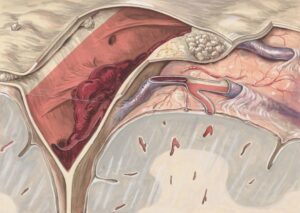
Decades-Old Understanding of Common Stroke Challenged by New Research on Blood Vessel Damage
16/09/2026

Neurotensin Receptor 2 Activation Shows Promise in Preventing Heart Failure Progression
18/08/2026

Expanding Heart Failure Care With Pharmacists and Nurse Practitioners Cuts Costs and Saves Lives
12/08/2026

Timing of Second Stent Placement After Heart Attack: New Trial Challenges Immediate Intervention Strategy
10/08/2026

Even Light Smoking Raises Heart Disease Risk by 50–60%, Study Shows—and Quitting Doesn’t Fully Reverse It
30/07/2026
Frequently asked questions 12 Q&A — structured for Google featured snippets and AI discovery
Knowledge hub: guidelines, conventions and reports
Organizations working in migration and health
Related health topics
HypertensionDiabetesStrokeTobaccoPhysical activityClimate and health
About this hub. Produced by the GMJ News Editorial Team as a public-good service. Every statistic is linked to its primary source. Documents are preserved in the GMJ Repository with full attribution. Georgian Medical Journal · Contact the editorial team