


Home › Topics › Climate Change and Health
Climate Change and Health
GMJ News knowledge hub · last reviewed September 2026 · Georgian Medical Journal
SummaryStatisticsGlossaryGMJ newsFAQDocumentsOrganizationsResearch
WHO calls climate change the single biggest health threat facing humanity: between 2030 and 2050 it is conservatively projected to cause about 250,000 additional deaths a year from undernutrition, malaria, diarrhoea and heat stress alone, with health damage costs of US$ 2–4 billion a year by 2030. The mechanisms are already visible — deadlier heatwaves, expanding ranges of dengue and malaria vectors, floods and droughts undermining food and water security, and air pollution from the same fossil fuels driving warming. The COP28 Declaration on Climate and Health, endorsed by over 140 countries, finally put health at the centre of climate negotiations; GMJ News covers the science and the accountability.
Primary sources: WHO fact sheet — Climate change and health · WHO health topic — Climate change
Key messages
Greatest health threat
WHO calls climate change the single biggest health threat facing humanity. Between 2030 and 2050 it is projected to cause approximately 250,000 additional deaths per year from malnutrition, malaria, diarrhoea and heat stress alone.
Air pollution
Air pollution — driven by the same fossil fuels causing climate change — kills approximately 7 million people per year. Eliminating fossil fuel combustion would address both crises simultaneously.
Disease range expansion
Rising temperatures are expanding the geographic range of vector-borne diseases: dengue now threatens parts of Europe, malaria is moving to higher altitudes, and tick-borne diseases are expanding northward.
Food and water security
Climate change threatens food and water security through droughts, floods and agricultural disruption — with cascading effects on undernutrition, diarrhoeal disease and conflict, all major health determinants.
Extreme heat
Heatwaves are becoming more frequent, intense and prolonged. Heat kills directly (heatstroke) and indirectly (exacerbating cardiovascular and respiratory disease). Outdoor workers and older adults face the highest risks.
COP28 Health Declaration
The COP28 Declaration on Climate and Health, endorsed by over 140 countries in Dubai in 2023, placed health at the centre of climate negotiations for the first time — a historic shift in global climate governance.
Key statistics
Global average surface temperature anomaly (°C above pre-industrial baseline) 1950-2023 — NASA/NOAA
Source: NASA Goddard Institute for Space Studies (GISS) / NOAA Global Surface Temperature Analysis.
Glossary of key terms
Latest GMJ coverage
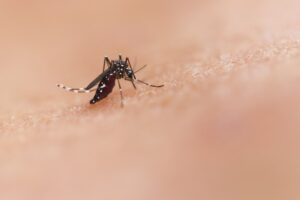
Climate-Driven Mosquito Season Shifts Earlier, Threatening Disease Spread Across Northern Regions
23/09/2026
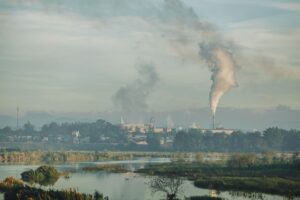
PM2.5 pollution claims 2.95 million lives annually in BRICS nations, outpacing global average
19/09/2026

Heat-Related Cardiac Deaths Rise Across All Ages During Extreme Weather, Experts Warn
21/08/2026
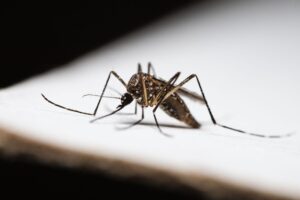
Tropical Cyclones Dramatically Amplify Dengue Transmission, Study Finds
10/07/2026

South Asian climate-health research faces representation gap: who funds and controls the knowledge?
10/07/2026
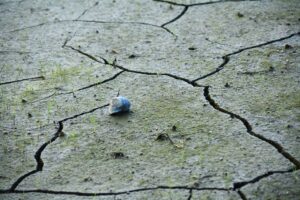
Climate Change May Turn North America and Europe into Chikungunya Hotspots by 2070
08/07/2026
Frequently asked questions 12 Q&A — structured for Google featured snippets and AI discovery
Knowledge hub: guidelines, conventions and reports
Organizations working in migration and health
Related health topics
DengueMalariaNutritionMental healthMigration and healthPhysical activity
About this hub. Produced by the GMJ News Editorial Team as a public-good service. Every statistic is linked to its primary source. Documents are preserved in the GMJ Repository with full attribution. Georgian Medical Journal · Contact the editorial team