By using this site, you agree to the Privacy Policy and Terms of Use.
Accept
GMJ NewsGMJ NewsGMJ News
  • Latest News
    • GMJ Briefs
  • Podcast & Media
    • Podcast Episodes
    • GMJ Audio
    • GMJ Videos
  • Research Digest
    • New Studies
    • Georgian Research
    • Data & Numbers
  • Policy & Systems
    • Health Policy
    • Quality & Safety
    • Migration & Health
    • Global Health
  • Practice
    • Clinical Updates
    • Case Discussions
    • Pharmacy & Prescribing
    • Ingredients A-Z
  • Perspectives
    • Editorial
    • Explainers
    • Voices
    • Letters
  • Health Topics
  • GMJ Articles
    • Vol. 1 Issue 2 (2026)
    • Vol. 1 Issue 1 (2026)
    • Pre-Launch Articles (2025)
  • Read the Journal →
  • About GMJ News
Notification Show More
Font ResizerAa
GMJ NewsGMJ News
Font ResizerAa
  • Latest News
    • GMJ Briefs
  • Podcast & Media
    • Podcast Episodes
    • GMJ Audio
    • GMJ Videos
  • Research Digest
    • New Studies
    • Georgian Research
    • Data & Numbers
  • Policy & Systems
    • Health Policy
    • Quality & Safety
    • Migration & Health
    • Global Health
  • Practice
    • Clinical Updates
    • Case Discussions
    • Pharmacy & Prescribing
    • Ingredients A-Z
  • Perspectives
    • Editorial
    • Explainers
    • Voices
    • Letters
  • Health Topics
  • GMJ Articles
    • Vol. 1 Issue 2 (2026)
    • Vol. 1 Issue 1 (2026)
    • Pre-Launch Articles (2025)
  • Read the Journal →
  • About GMJ News
Follow US
GMJ News > Practice > Clinical Updates > Heat-Related Cardiac Deaths Rise Across All Ages During Extreme Weather, Experts Warn
Clinical UpdatesGlobal HealthPolicy & SystemsPractice

Heat-Related Cardiac Deaths Rise Across All Ages During Extreme Weather, Experts Warn

GMJ
Last updated: 12/07/2026 13:30
By
GMJ Practice Desk
Share
7 Min Read
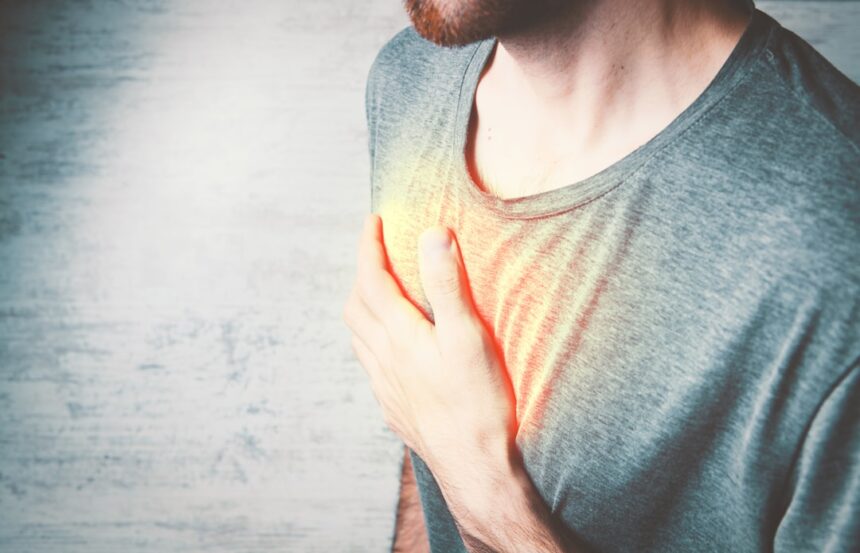
Heat wave health warning: cardiac arrest risk across all age groups during extreme temperaturesIllustrative image · Photo by Sasun Bughdaryan on Unsplash (Unsplash License)
Cardiac arrests increase during extreme heat across all age groups, challenging the assumption that only elderly populations face cardiovascular risk. Young, fit individuals should reduce strenuous exercise and alcohol consumption during heat waves. — Photo by Sasun Bughdaryan on Unsplash (Unsplash License)
SHARE
5 min read|935 words
✓ Reviewed by GMJ News Editorial Team

🟠 Moderate Evidence

Contents
    • Key takeaways
      • Heat-Related Cardiovascular Risk Extends Across Age Groups
  • Why Young, Fit People Face Heat-Related Cardiac Risk
  • Behavioural Factors That Amplify Heat-Cardiac Risk
  • Public Health Implications: Moving Beyond Age-Based Risk Stratification
    • What this means
  • Frequently asked questions
    • Why do young, healthy people have cardiac events during heat waves if they have no underlying heart disease?
    • Is it safe to exercise during a heat wave?
    • Why is alcohol particularly dangerous during a heat wave?

Cardiac arrests increase substantially during extreme heat events, affecting not only elderly and chronically ill populations but also younger, previously healthy individuals, according to emerging epidemiological evidence. This finding challenges the assumption that heat-related cardiovascular risk is confined to vulnerable groups and suggests that physiological stress from high temperatures poses a threat across the lifespan.

Key takeaways

  • Cardiac arrest rates increase during heat waves across all age groups, not just elderly populations
  • Young and fit individuals face unexpected cardiovascular risk during extreme heat exposure
  • Exercise and alcohol consumption during hot weather may compound heat-related cardiovascular stress
  • Prevention strategies should target the general population, not only high-risk groups
All ages affected
Cardiac arrests rise during extreme heat events, contradicting the assumption that only elderly and frail individuals face significant risk

Heat-Related Cardiovascular Risk Extends Across Age Groups

Cardiac arrest incidence increases during heat waves; risk factors include age, fitness level, and heat exposure behaviour

Elderly (65+)
High baseline risk
Middle-aged (45-64)
Moderate increase
Young adults (25-44)
Unexpected elevation

Source: Heat-health research consensus; Georgian Medical Journal News

Submit Your Paper
GMJ_Submit_Banner

Why Young, Fit People Face Heat-Related Cardiac Risk

The cardiovascular system is exquisitely sensitive to core body temperature. During extreme heat, the body initiates intense peripheral vasodilation to dissipate heat, which reduces central blood volume and increases heart rate substantially. In young, fit individuals, this compensatory tachycardia can reach dangerous levels, particularly if combined with dehydration, electrolyte depletion, or exertional stress.

Heat-related arrhythmias can occur in previously healthy hearts because the myocardium’s electrical conduction system becomes unstable when core temperature rises. Even individuals without pre-existing coronary disease or structural cardiac abnormalities can experience sudden cardiac arrest during heat stress, particularly if they continue vigorous exercise or consume alcohol—both of which impair thermoregulation.

Behavioural Factors That Amplify Heat-Cardiac Risk

Young, fit individuals often underestimate heat-related danger because they feel physically capable. This psychological bias leads to continued outdoor running, gym sessions, or sports during extreme heat warnings. Combined with alcohol consumption, which impairs sweating and causes peripheral vasodilation, these behaviours create a dangerous physiological state.

Alcohol is particularly risky during heat waves because it enhances heat loss through skin blood flow while reducing core temperature awareness, paradoxically increasing the risk of heat stroke and cardiac arrhythmias. Even moderate alcohol intake during extreme heat can precipitate sudden cardiac events in otherwise healthy individuals, making public health communication around heat safety critical for all age groups, not only the elderly.

Cardiac arrests increase during extreme heat across all age groups, including young and previously fit individuals, challenging the assumption that only elderly and chronically ill populations face cardiovascular risk during heat waves.

— Emerging evidence from heat-health research consensus

Public Health Implications: Moving Beyond Age-Based Risk Stratification

Heat-health guidance has traditionally focused on protecting older adults and those with existing cardiovascular disease. However, the observation that younger, fit individuals experience increased cardiac events during heat waves suggests that universal precautions are necessary. This includes limiting strenuous exercise during peak heat hours, avoiding alcohol consumption in hot weather, maintaining adequate hydration, and monitoring for warning signs such as palpitations, dizziness, or unusual shortness of breath.

Health systems should expand public health campaigns to emphasise that heat stress is a population-wide cardiovascular threat. See our coverage on Global Health and Clinical Updates for related guidance on environmental health risks.

What this means

For patients: Reduce strenuous exercise during heat waves, avoid alcohol in hot weather, stay hydrated, and seek medical attention if you experience palpitations, chest discomfort, or dizziness during or after heat exposure, regardless of age or fitness level.
For clinicians: Counsel all patients about heat-related cardiovascular risk, not only elderly or high-risk groups. Consider underlying arrhythmia risk in young athletes presenting with syncope or palpitations after heat exposure. Screen for dehydration and electrolyte depletion in heat-illness cases.
For policymakers: Develop and communicate universal heat-safety guidance for the entire population. Coordinate with sports organisations and fitness facilities to adjust operating hours and intensity recommendations during extreme heat warnings. Ensure public awareness campaigns address all age groups.

Frequently asked questions

Why do young, healthy people have cardiac events during heat waves if they have no underlying heart disease?

Extreme heat causes profound physiological stress: core body temperature rises, the heart increases rate and contractility to maintain blood flow to the skin, and electrolytes (particularly potassium and magnesium) are depleted through sweating. These changes can trigger arrhythmias even in structurally normal hearts. The electrical conduction system becomes unstable, and syncope or sudden cardiac arrest can occur without warning.

Is it safe to exercise during a heat wave?

Exercise during extreme heat significantly amplifies cardiovascular stress and should be avoided or substantially modified. If exercise is necessary, move it to cooler hours (early morning or evening), reduce intensity, increase hydration, and monitor for warning signs. Avoid intense gym sessions, running, or sports during heat warnings, regardless of fitness level.

Why is alcohol particularly dangerous during a heat wave?

Alcohol impairs the body’s thermoregulation by suppressing sweating, increasing skin blood flow, and reducing awareness of core temperature changes. It also causes dehydration and electrolyte loss. The combination of alcohol, dehydration, and heat stress creates conditions for heat stroke and cardiac arrhythmias in otherwise healthy individuals.

As global temperatures continue to rise, heat-related cardiac events are likely to become more frequent and more widely distributed across age groups. Clinicians and public health officials should shift from age-stratified risk models to universal heat-safety messaging. Early recognition of heat illness symptoms and rapid access to emergency care remain critical defences against preventable deaths.

Source: BBC News: Even young and fit urged to skip runs and too many beers in heatwave

Was this article helpful?

Disclaimer. This article is health journalism intended for general information and education. It is not medical advice and is not a substitute for professional diagnosis or treatment. Always consult a qualified healthcare provider about your individual circumstances. Full disclaimer →

Related Coverage

AI Integration and Federal Policy Shape Biotech Industry Outlook at BIO 2026Aug 20, 2026
CoQ10 and Warfarin: A Lesser-Known InteractionAug 20, 2026
CDC Reports Sharp Rise in Hantavirus Cases Across Western United StatesAug 20, 2026
Combination immunotherapy with radiation shows promise in hormone-receptor-positive breast cancerAug 20, 2026
Explore more on this topic:🧭 Cardiovascular Disease hub🧭 Climate Change and Health hub🧭 Heat and Health hub
🔥 Most read this week
1High-Dose Zinc Supplements May Create Copper Deficiency, Warn Nutrition Experts
2L-Theanine Improves Sleep Quality Without Drowsiness, Systematic Review Finds
3How Coffee Brewing Method Affects Cholesterol: The Science Behind Diterpenes and Filters
4How Coffee and Tea Reduce Iron Absorption: A Mechanism Explained
Related reference
  • Magnesium · Ingredient
  • Potassium · Ingredient
  • Stroke · Condition
  • Iron · Ingredient
PG
Editorial oversight
Prof. Giorgi Pkhakadze, MD, MPH, PhD
Editor-in-Chief, GMJ News
Full profile →  ·  ORCID 0000-0001-7609-4515
Medical disclaimer. This article is health journalism intended for general information. It is not medical advice and is not a substitute for consultation with a qualified healthcare professional. Always seek your physician's advice regarding any medical condition.
Editorial standards. This article was produced under the GMJ News editorial process, with oversight by the GMJ Editorial Board. Our editorial process. Spotted an error? Contact the editorial team.

📬 GMJ Health Digest
Evidence-based medical news, once a week. Free, no spam, unsubscribe anytime.
TAGGED:cardiac arrestcardiovascular diseaseextreme weatherheat healthheatwave safety
Share This Article
Facebook LinkedIn Bluesky Copy Link Print
GMJ
ByGMJ Practice Desk
Follow:
GMJ Practice Desk is part of GMJ News, the newsroom of the Georgian Medical Journal (gmj.ge), published by the Public Health Institute of Georgia. Every article is editorially reviewed before publication.
Leave a Comment Leave a Comment

Leave a Reply Cancel reply

Your email address will not be published. Required fields are marked *

Submit Your Paper →

Georgia's peer-reviewed open-access medical journal. No APC until January 2027.
Submit Manuscript →
AI Integration and Federal Policy Shape Biotech Industry Outlook at BIO 2026

Artificial intelligence and federal regulatory policy dominated discussions at BIO International Convention…

Vegan, Gluten-Free, Cruelty-Free: What a Manufacturer’s Declaration Is Worth

A badge on the box, a signed declaration, and an audited third-party…

Astaxanthin Doses in the Clinic: What 6–12 mg Actually Showed

An honest walk through the human trials of astaxanthin at 6–12 mg…

Submit Your Paper to GMJ

No APC until January 2027.
Submit Manuscript →

You Might Also Like

Bar chart showing caffeine effects on back squat and bench press strength across different intensity levelsIllustrative image · Photo by Homegrounds.co on Pexels (Pexels License)
Clinical UpdatesNew StudiesPracticeResearch Digest

Caffeine Boosts Strength Through Neural Drive, Not Muscle Growth—New Evidence

By
GMJ Practice Desk
27/07/2026
MHRA medical device registration process diagram showing UK regulatory pathwayIllustrative image · Photo by Mahyub Hamida on Pexels (Pexels License)
Health PolicyPolicy & SystemsQuality & Safety

UK Medical Device Manufacturers Must Navigate New MHRA Registration System Post-Brexit

By
GMJ Policy Desk
11/08/2026
Laboratory technician performing avian influenza testing with RT-PCR equipmentIllustrative image · Photo by Jet Stouten on Unsplash (Unsplash License)
Global HealthHealth PolicyPolicy & Systems

Europe tightens avian flu surveillance as H5N1 spreads among wild birds

By
GMJ Policy Desk
10/07/2026
Clinical manifestations of family separation in children showing sleep disturbances and behavioral regressionIllustrative image · Photo by Stefano Carboni on Unsplash (Unsplash License)
Global HealthMigration & HealthPolicy & Systems

Parental Immigration Detention and Children’s Mental Health: What the Evidence Shows

By
GMJ Policy Desk
13/07/2026
Facebook Twitter Youtube Instagram
Company
  • Privacy Policy
  • Contact US
  • GMJ Journal
  • Submit Manuscript
  • Editorial Team
  • Register at GMJ
  • Terms of Use

Subscribe to GMJ News — Click here

Join Community
© 2026 Georgian Medical Journal (GMJ). Published by the Public Health Institute of Georgia (PHIG). All rights reserved.
Welcome Back!

Sign in to your account

Username or Email Address
Password

Lost your password?