


Home › Topics › Heat and Health
Heat and Health
GMJ News knowledge hub · last reviewed October 2026 · Georgian Medical Journal
SummaryStatisticsGlossaryGMJ newsFAQDocumentsOrganizationsResearch
Extreme heat is one of the most lethal climate-related hazards: in 2022, the European heatwave caused an estimated 61,000 excess deaths, and globally an estimated 489,000 people die from heat stress annually — a figure that will rise dramatically as climate change makes heatwaves more frequent, intense and prolonged (WHO/Lancet Countdown). Heat disproportionately harms older adults, outdoor workers, pregnant women, infants and people with cardiovascular or respiratory disease. The WHO Operational Framework for Building Climate Resilient and Low Carbon Health Systems calls for national heat action plans (HAPs) as a life-saving infrastructure investment.
Key messages
Fastest-growing climate hazard
Extreme heat is now the deadliest weather-related hazard — causing an estimated 489,000 deaths annually (Gasparrini et al., Lancet Planet Health 2017). Climate change is making heatwaves more frequent, intense and prolonged in every region.
2022 European heatwave — 61,000 deaths
The 2022 European heatwave caused an estimated 61,672 excess deaths across Europe (Ballester et al., Nature Medicine 2023) — demonstrating that heat is a mass casualty event comparable to infectious disease outbreaks.
Disproportionate impacts
Heat disproportionately kills older adults (the primary victims), outdoor workers (agricultural, construction), pregnant women, infants, people with cardiovascular or respiratory disease, and people in poverty without access to cooling.
Heat Action Plans
National and city-level Heat Action Plans (HAPs) — identifying at-risk populations, setting alert thresholds, coordinating public information and cooling centre access — are WHO-endorsed, evidence-based life-saving infrastructure.
Urban heat islands
Cities are significantly hotter than surrounding rural areas — up to 10°C warmer — due to heat-absorbing surfaces, lack of vegetation and waste heat from buildings. Urban greening, cool surfaces and building codes are core adaptation strategies.
Occupational heat stress
Approximately 2.4 billion workers are exposed to occupational heat stress — with agricultural workers in LMICs facing the highest risk. ILO estimates that by 2030, 2.2% of total working hours will be lost to extreme heat — equivalent to 80 million full-time jobs.
Key statistics
Excess mortality attributed to heat in major European heatwaves — WHO/ECDC/Lancet
Glossary of key terms
Latest GMJ coverage

Nutrition During Heat Waves: Evidence-Based Dietary Guidance for Hot Weather
30/09/2026

Heat stress affects women more severely than men, research suggests
09/08/2026

1 billion children exposed to multiple climate hazards simultaneously, UNICEF warns
11/07/2026

Heat-related deaths claim 200,000+ European lives in four years, WHO reports
07/07/2026

UK A&E Departments See Record 2.4 Million Attendances During May Heatwave
30/06/2026
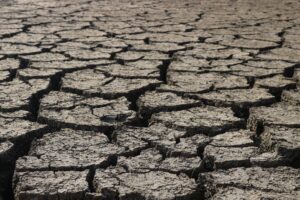
Global Temperatures Likely to Set Records Over Next Five Years, WMO Warns
16/06/2026
Frequently asked questions 12 Q&A — structured for Google featured snippets and AI discovery
Knowledge hub: guidelines, conventions and reports
Organizations working in migration and health
Related health topics
Climate and healthCVDCOPDOccupational healthAir pollutionAgeing
About this hub. Produced by the GMJ News Editorial Team as a public-good service. Every statistic is linked to its primary source. Documents are preserved in the GMJ Repository with full attribution. Georgian Medical Journal · Contact the editorial team